
ICFH Opens Market Opportunities for Women-Owned MSMEs in Central Sulawesi
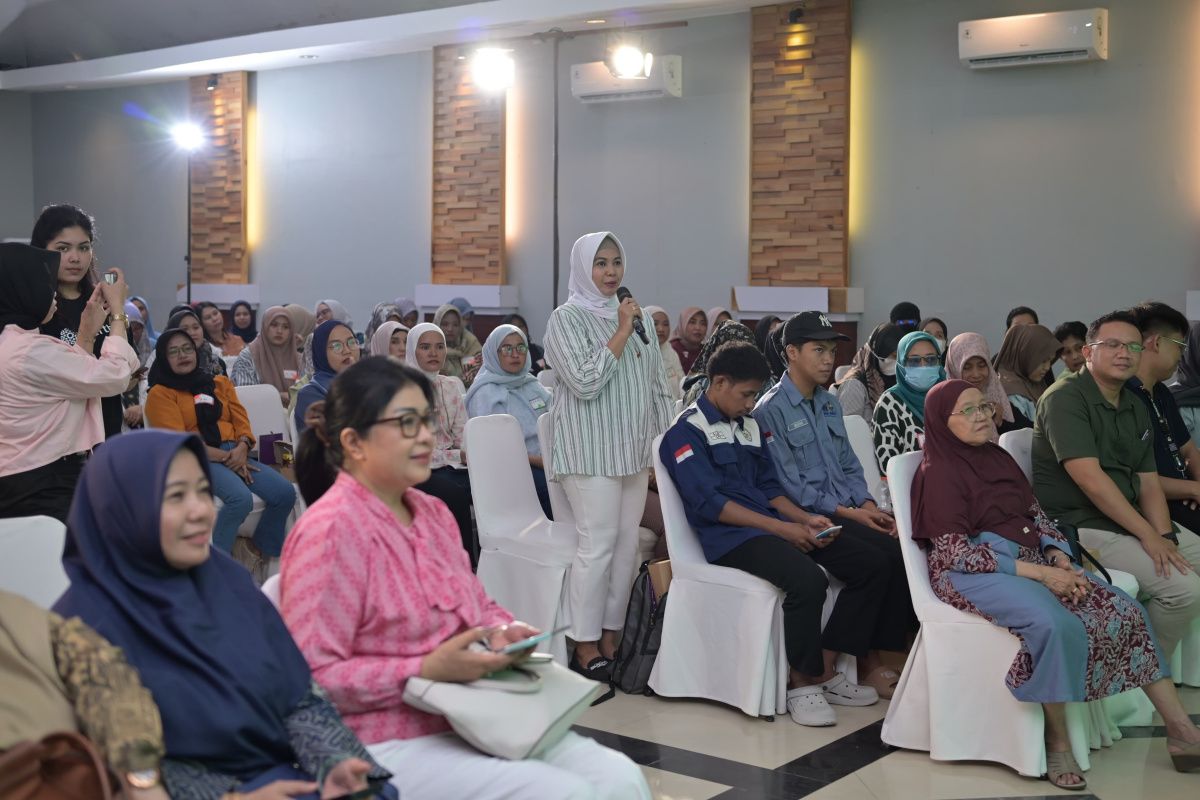
Jakarta (ANTARA) – The Indonesian Coalition for Financial Health (ICFH) has partnered with Women’s World Banking and the Ministry of Women’s Empowerment and Child Protection to hold the national Tumbuhkan Peluang programme in Palu, Central Sulawesi.
The event is part of a series of workshops bringing together around 200 micro, small and medium-sized enterprises (MSMEs) with industry partners and major buyers, or offtakers. It will also promote business formalisation through education and assistance with registering for a Business Identification Number (NIB), halal certification, PIRT food-production permits and opening bank accounts.
“Through cross-sector collaboration, we want to ensure that more women running MSMEs in the regions can not only survive, but also move up to the next level and turn their business potential into sustainable grassroots economic growth,” said ICFH Head of Secretariat and Amartha.org Chairman Aria Widyanto in a statement in Jakarta on Wednesday (21 October).
He said Central Sulawesi’s economic growth of 8.47 per cent in 2025 offered local MSMEs an opportunity to expand their businesses and reach wider markets.
That momentum should be harnessed through collaboration linking business capacity-building, market access, business formalisation and financial health, particularly for women entrepreneurs, so they can grow more sustainably.
He explained that formalising a business was an important step for women-owned MSMEs to improve their readiness and reach wider markets. An NIB is the gateway to applying for further permits, accessing government programmes and formal financial services, and meeting the requirements of prospective buyers.
However, formalisation remains a challenge for some women running microbusinesses because of limited digital literacy, a lack of understanding of administrative requirements, and the time they must divide between running a business and household responsibilities.
Through the Tumbuhkan Peluang workshops, participants receive hands-on assistance from the Investment and One-Stop Integrated Services Office (DPMPTSP) with NIB applications, making business legality a foundation for growth and for taking advantage of opportunities.
“Strengthening women’s MSMEs is not just about opening up access to finance. They need an ecosystem that helps their businesses become more formal, access wider markets, and build resilience and financial health,” he said.
The workshops introduce MSMEs to local potential market partners and provide opportunities for direct discussions, including with Toko Oleh-Oleh Sri Rejeki, Toko Oleh-oleh Sal-Han, G.I (Gampiri Interaksi Lestari) and Nina Agro Jaya. The meetings also allow MSMEs to understand product standards, explore opportunities for product selection and receive feedback from prospective buyers.
Most workshop participants operate in agriculture and processed foods, sectors with potential for further development given their substantial contributions to Central Sulawesi’s economy.
In 2025, agriculture, forestry and fisheries generated Rp67.96 trillion in value added, while the food and beverage industry contributed Rp7.24 trillion. This potential creates scope for MSMEs to expand their markets by improving product quality and understanding buyer requirements.
Eni Widiyanti, Assistant Deputy for Gender Mainstreaming in the Economy, Infrastructure, Regional Development and Local Government at the Ministry of Women’s Empowerment and Child Protection, said women’s economic empowerment required more than improving business skills. It also meant ensuring women had equal access to finance, business permits, technology and markets.
“Many women running microbusinesses still face limited access to information and marketing networks, as well as the demands of caring responsibilities and domestic work,” she said.
Through Tumbuhkan Peluang, she added, the ministry wanted to help women running MSMEs not only sustain their businesses, but also gain the opportunity to move up to the next level, expand their markets and increase their economic independence.
“Collaboration between the government, businesses, financial institutions and development partners is key to building a more inclusive and sustainable entrepreneurship ecosystem,” she said.
Alongside market access, financial health is an important foundation for business sustainability. For MSMEs, this includes the ability to manage cash flow, meet business needs, cope with financial risks and plan for growth. Better financial management is expected to allow business growth to contribute to the wellbeing of women and their families.
Desi Vicianna, Southeast Asia Senior Policy Strategist at Women’s World Banking, said financial health was an important part of women’s economic empowerment.
“The programme will be followed by intensive support from local facilitators to help women running microbusinesses strengthen their financial management practices and develop their businesses, so that business progress goes hand in hand with stronger financial health,” she said.
Through the Tumbuhkan Peluang workshops, ICFH and its partners hope the connections formed will develop into lasting business partnerships.
By linking business capacity, market access and financial health, the programme aims to help more women-owned MSMEs expand business opportunities and strengthen their economic resilience.
Source: jawawa.id (https://jawawa.id/newsitem/icfh-opens-market-opportunities-for-women-owned-msmes-in-central-sulawesi-1792626666)
Originally published by Antara (Indonesian) (https://www.antaranews.com/berita/5803521/icfh-membuka-peluang-pasar-bagi-umkm-perempuan-sulteng), translated from Indonesian