
Icelandic Citizens Reject Rejoining the European Union
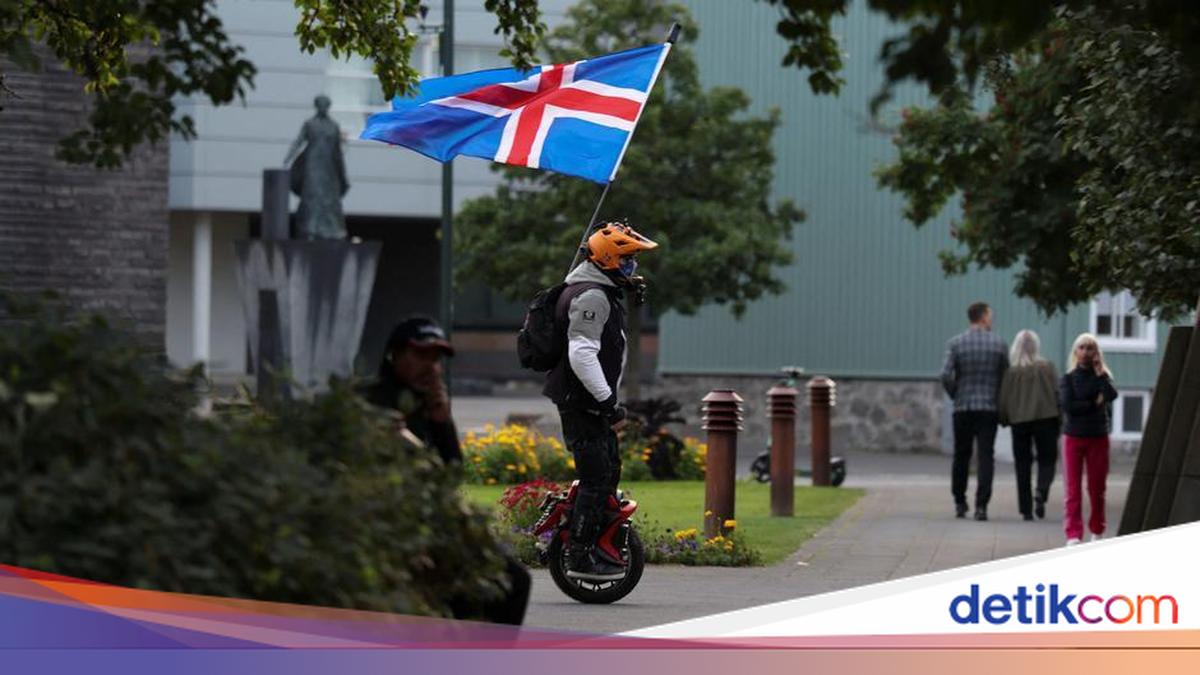
Icelandic citizens have rejected the plan to reopen negotiations for the country to join the European Union. The final results of the referendum, announced on Sunday (30/08), showed that the ‘No’ camp secured 52.8% of the vote, while the ‘Yes’ camp received 47.2%, according to official counts published by the public broadcaster RUV.
The capital, Reykjavik, was the only region in the nation of approximately 400,000 people to support the referendum. Out of around 270,000 eligible voters, 82% exercised their right to vote.
Icelandic Government Respects Referendum Results
Icelandic Prime Minister Kristrun Frostadottir, who supported the ‘Yes’ camp, stated that the result was not a defeat but an expression of democracy. “I do not see this as a setback. I see it as a victory for democracy,” she said. She added that more than 80% of citizens participated in the decision. Nevertheless, Iceland will continue to strengthen its ties with the European Economic Area.
“I do not see deep disappointment,” she remarked. “While some people may not accept the referendum result, after speaking with many parties from various regions, I see they are quite open to accepting whatever the outcome may be,” she concluded.
Meanwhile, President of the European Council António Costa stated that the EU respects the democratic decision of the Icelandic people not to proceed with negotiations. “Iceland remains one of the EU’s closest and most trusted partners,” a spokesperson said.
The vote, held on Saturday (29/08), took place amidst recurring threats from US President Donald Trump to take over Greenland, which is located near Iceland. Although Iceland is a member of NATO, supporters of EU membership believed that European solidarity would provide stronger protection if similar threats were made by Trump in the future.
‘No’ Camp Wins Narrowly
The vote counting was tight throughout the night. The ‘Yes’ camp briefly led, particularly due to votes from the capital, Reykjavik, before the lead shifted to the ‘No’ camp. By dawn, the margin between the two sides was only a few hundred votes. However, the gap widened as votes from rural areas were counted, where the opposition and those rejecting EU membership were stronger.
“This is not the time to join,” said one ‘No’ voter, Daniel Bjarkason, to the Associated Press. “Perhaps in 10, 15, or 20 years, or more, we could reconsider. But for now, society is still too divided. If there is a desire to join the EU, support should ideally reach a 70-30 margin for the ‘Yes’ camp,” he added.
Long Debate Over EU Membership
Iceland has debated the possibility of joining the EU for almost two decades. The current left-wing Icelandic government originally planned to hold the referendum in 2027. However, the vote was accelerated due to rising geopolitical tensions related to the war in Ukraine and the issue of Greenland.
The Nordic nation first applied for membership in 2009, following the severe impact of the global financial crisis on Iceland. Negotiations were subsequently halted in 2013 after a government sceptical of the EU came to power.
The referendum result is expected to disappoint many within the EU. As a wealthy, stable, and democratic nation with a strong fisheries sector, Iceland was considered capable of joining in a relatively short period. Croatia was the last nation to join in 2013.
Unlike Iceland, most other candidate countries still face lengthy reforms to align with EU regulations. The accession of Iceland, alongside Montenegro and potentially Moldova within the next two years, was seen as a way to help restore the EU’s image following the UK’s departure in 2020.
Fisheries Industry a Key Consideration
The referendum result also alleviates concerns among some voters that joining the EU could diminish Icelandic sovereignty. Fishing rights were one of the primary issues. The fishing industry has been a major opponent of EU membership, with approximately 90% of industry players reportedly rejecting the plan.
The EU was previously seen as willing to seek compromises on several sensitive issues, including fisheries and agriculture, to facilitate Iceland’s accession.
Fishing has been a vital part of Icelandic life and identity for centuries. Since gaining independence from Denmark in 1944, Iceland has been known for its determination to defend its sovereignty. In the 1970s, Iceland even won the maritime and fishing rights dispute known as the “Cod Wars” against the United Kingdom.