
ICC judges file lawsuit against US sanctions
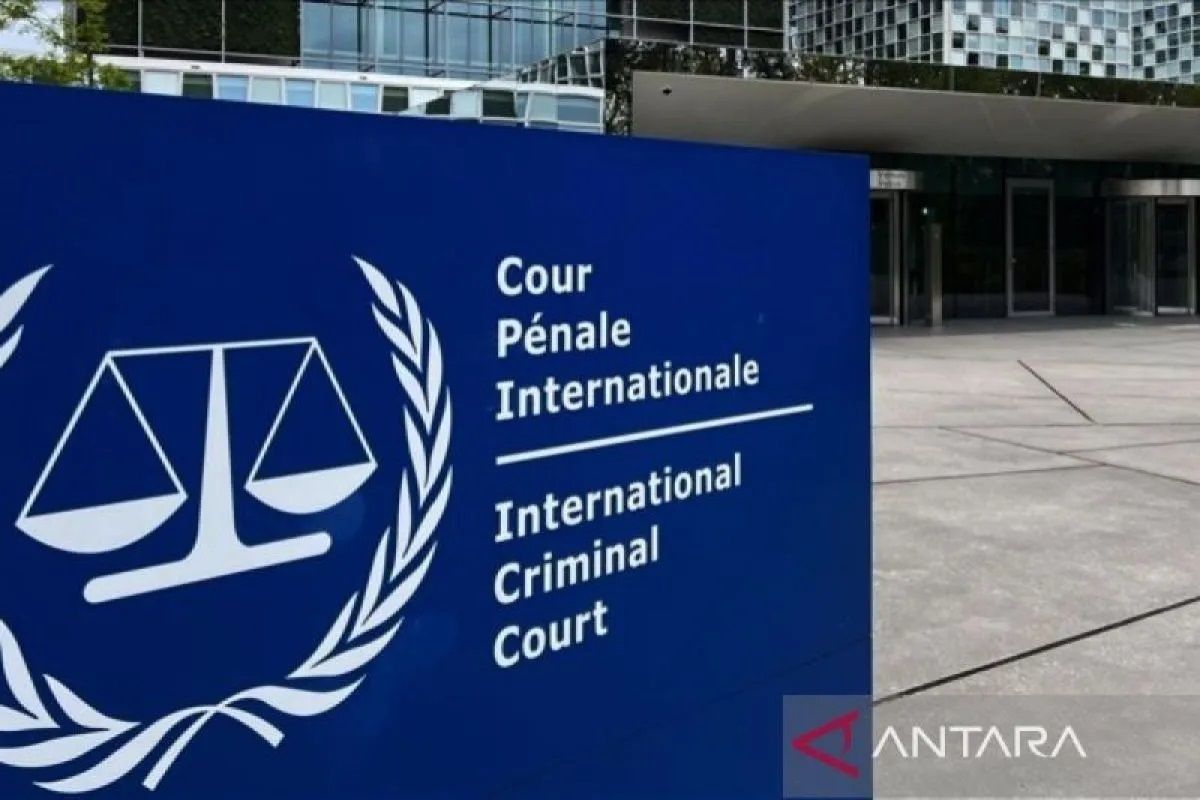
Three judges of the International Criminal Court (ICC) have filed a lawsuit against the US government over sanctions related to judicial decisions in investigations involving Israel and the US, according to a report by Dutch television station NOS on Thursday. The judges, who are from Canada, Uganda, and Benin, brought their case to a federal court in Manhattan, stating that the sanctions violate the law and represent an assault on judicial independence. The sanctions, introduced by Washington last year, include financial restrictions and visa bans targeting ICC judges and other personnel involved in investigations concerning war crimes in the occupied Palestinian territories. Under these measures, the affected judges are barred from accessing assets held in the US and from engaging in transactions involving American companies or services. Among the decisions cited by US authorities is the issuance of arrest warrants for Israeli leader Benjamin Netanyahu over alleged war crimes committed in Palestinian territories. The US does not recognise the ICC’s jurisdiction over American citizens or nationals of allied states that are not parties to the Rome Statute, the treaty that established the court. US Secretary of State Marco Rubio argued that the court has no authority to prosecute US citizens or those of its allies, describing the ICC’s actions as a violation of the sovereignty and national security of the US and its partners, including Israel. In their lawsuit, the judges contend that no legitimate national emergency exists to justify the sanctions and state that the measures are ‘arbitrary and capricious’, a legal standard often used in challenges to US policy. One judge described the sanctions as an attempt to coerce and punish members of the judiciary for carrying out their official duties. ‘Targeting international judges for performing their judicial duties is an unprecedented attack on judicial independence and the rule of law,’ said a lawyer representing one of the judges in a statement.