
iCar V23 Price Below Expectations, Will It Threaten Chery J6?
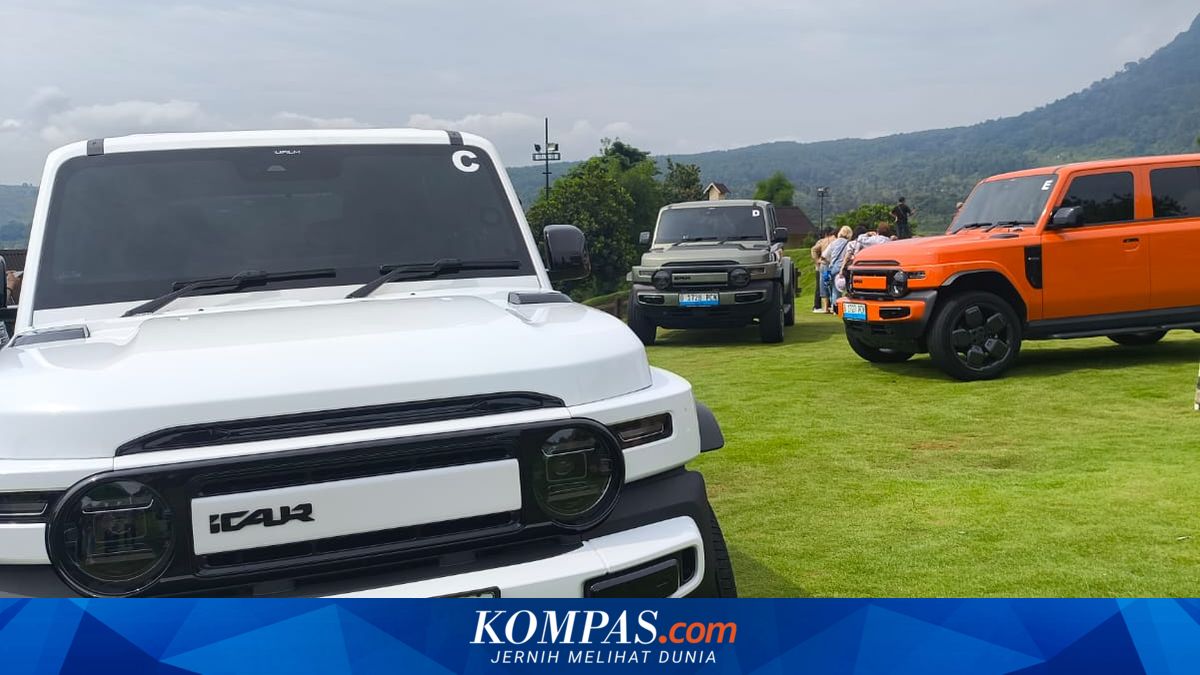
Jakarta – Indonesia’s market for boxy-styled electric SUVs is becoming increasingly attractive with the arrival of iCar V23. This retro-modern electric vehicle was officially announced with a starting price of Rp 389.9 million, a figure that shocked the market as many had previously predicted it would be priced around Rp 500 million, similar to its closest rival, the Chery J6.
The arrival of iCar V23 signals a new phase in Indonesia’s electric vehicle competition, moving towards more specific market segments. Whereas the EV market previously focused on city cars or futuristic urban-styled SUVs, consumers are now being offered electric SUVs with boxy design, adventure character, and lifestyle-oriented positioning.
Zeng Shuo, President Director of Chery Group Indonesia, stated that iCar V23 would not cannibalise Chery J6 sales despite both vehicles competing in the boxy electric SUV segment, asserting that the two models target different market segments. “iCar V23 has its own character and target market. So it will not interfere with Chery J6,” Shuo told Kompas.com on Saturday, 23 May 2026.
This statement is noteworthy given that visually, both vehicles share a squared-off, modern off-road design aesthetic. However, iCar appears to pursue a broader market approach with an emphasis on lifestyle, fun, and affordability.
This strategy is evident in the variant lineup. iCar V23 comes with two powertrain options – Rear Wheel Drive (RWD) and Intelligent Wheel Drive (iWD) – divided into three trim levels: X, Y, and Z.
Types X and Y use rear-wheel drive systems, whilst type Z features iWD (Intelligent Wheel Drive) technology offering optimised traction performance across various road conditions.
Each trim level offers distinct differentiation. Type X is positioned as the most basic variant, focusing on everyday mobility needs and lacking ADAS features and 360-degree camera systems. Type Y begins offering more comprehensive features for consumers seeking additional comfort and technology, whilst type Z iWD represents the premium variant with maximum driving capability, particularly appealing to consumers interested in outdoor activities or long-distance travel.
This strategy demonstrates that iCar is not merely selling design but attempting to broaden its consumer base. Consumers seeking a unique-styled electric SUV for urban use can choose types X or Y, whilst those desiring more exploratory driving sensations can opt for type Z iWD.
Globally, iCar V23 is recognised as a compact electric SUV with an adventure lifestyle approach. The vehicle combines retro classic SUV design with modern technology touches, including round-shaped LED headlights, large over-fenders, and a boxy body conveying a rugged impression.
This character represents one reason why boxy SUVs are gaining popularity. Amidst increasingly uniform and rounded modern vehicle designs optimised for aerodynamics, boxy styling provides strong visual identity.
This phenomenon is evident in Indonesia as well. Vehicles with adventure appeal and masculine styling are attracting increased attention, particularly from younger urban consumers seeking vehicles with distinctive character.
The arrival of iCar V23 could spark fresh competition in Indonesia’s electric SUV market. EV competition is no longer solely about driving range or battery capacity but also encompasses design, lifestyle, and driving experience.
With pricing more competitive than market expectations and comprehensive RWD and iWD variant options, iCar V23 has potential to unlock a new market segment within Indonesia’s boxy electric SUV category.
This timing is particularly significant as consumers increasingly seek electric vehicles that are not only efficient but also possess strong character capable of representing their lifestyle.