
Ibas Encourages Economic Autonomy for Islamic Boarding Schools: Students Must Be Strong in Both Remembrance and Reasoning
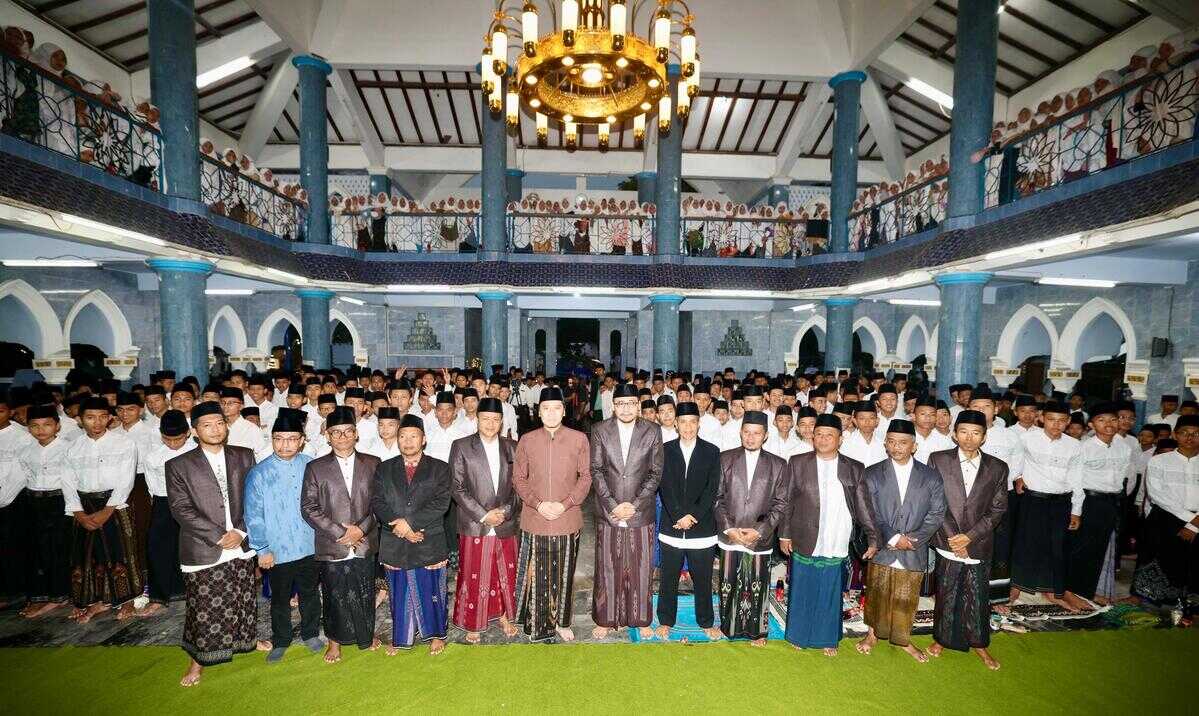
Deputy Chair of the Indonesian People’s Consultative Assembly, Edhie Baskoro Yudhoyono (Ibas), has affirmed the strategic role of Islamic boarding schools as guardians of national civilisation and sources of leadership cadres for the nation. He conveyed this message whilst attending an iftar gathering with tahfiz students at Al Muqoddasah Islamic Boarding School in Ponorogo, East Java.
During his 2026 recess programme entitled “Ramadan Religion: Knowledge, Faith, and Service”, Ibas reminded attendees that contemporary Islamic boarding school students must maintain a balance between spirituality and technological mastery.
“Pesantren are the moral fortress of the nation and the home of civilisation. However, today’s students must be strong not only in Islamic jurisprudence, but also in science and technology. Not only in remembrance, but also in reasoning,” Ibas stated in a statement on Monday (2 March).
The Democratic Party Faction Chair in the Indonesian House of Representatives highlighted various challenges facing young people, ranging from unfiltered information flows to radicalisation threats. He noted that with more than 39,000 pesantren across Indonesia, the strength of Islamic boarding school students is substantial for maintaining national unity.
Quoting the message of KH Hasyim Asy’ari, Ibas emphasised that nationalism and religion are inseparable. “Love of the homeland is part of faith. Protecting the Republic of Indonesia is part of service,” he asserted.
Ibas has committed to strengthening pesantren through educational budget support and economic empowerment. During the event, he provided computers to support digital learning and religious equipment including the Qur’an, prayer mats, and headscarves for high-achieving students.
“We encourage pesantren economic autonomy and access to training so that students can become moral guardians whilst driving economic progress,” he added.