
IASC Intensifies Scam Eradication, Returns Rp169.3 Billion to Victims
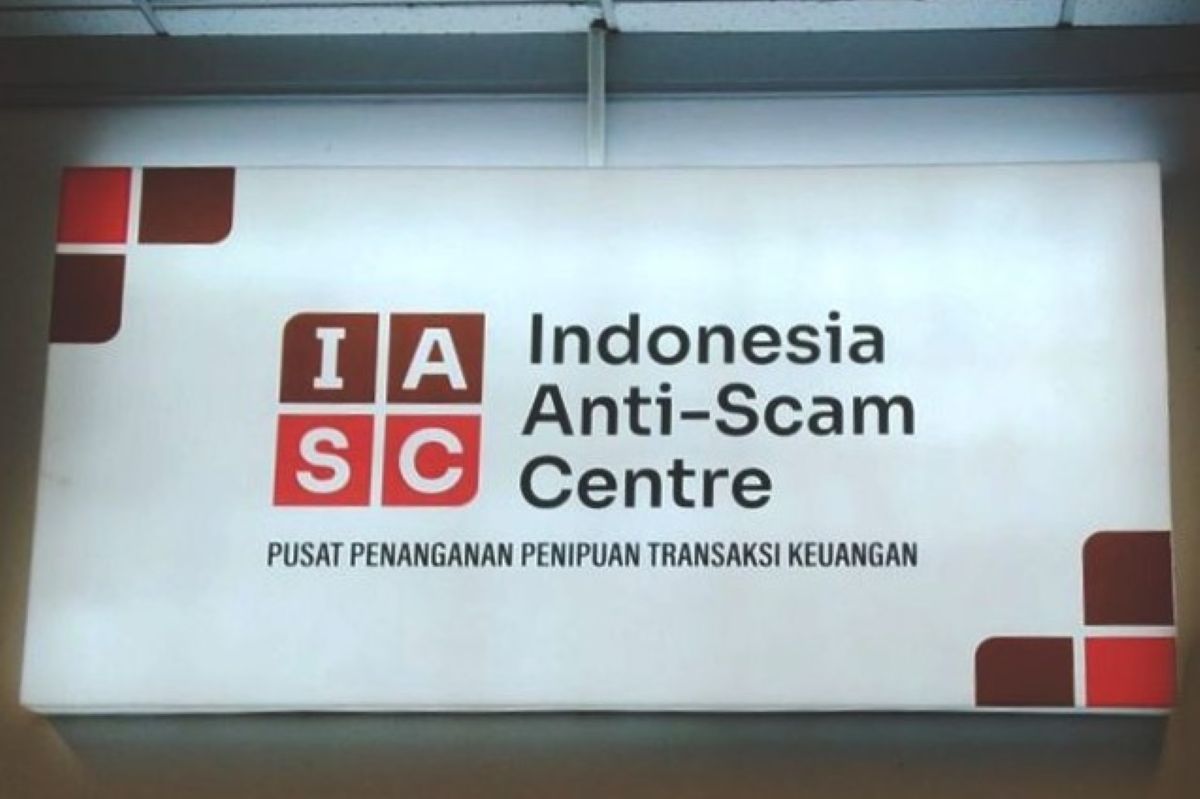
Efforts to eradicate scams are intensifying. Since the establishment of the Indonesia Anti-Scam Centre (IASC) in November 2024, a total of 515,554 accounts linked to scams have been blocked out of 998,558 reported accounts. Funds blocked up to 31 May 2026 reached Rp638.9 billion, whilst approximately Rp169.3 billion has been returned to victims.
The IASC is a unit under the Task Force for the Eradication of Illegal Financial Activities (Satgas PASTI). Satgas PASTI is a coordination forum comprising authorities, ministries and agencies formed to prevent and handle illegal activities in the financial sector.
Hudiyanto, Chair of the Satgas PASTI Secretariat, stated that the co-location concept—a physical and digital working system—has accelerated the handling of scams by the IASC. In this system, representatives from the banking industry, payment system providers and related institutions are placed together in one location and on the same system as the Financial Services Authority (OJK).
"We gather the banks frequently exploited by fraudsters in one place. A total of 17 banks and 5 payment systems. This is effective in speeding up the process of incoming reports," he said during a presentation at the Journalist OJK event in the Bintaro area, South Tangerang, on Monday (29/6).
As an illustration, the IASC receives 1,300 reports daily, with total incoming reports reaching 579,459 up to 31 May 2026. Hudiyanto explained that whilst co-location does not operate 24 hours a day, scam handling at the IASC itself remains a 24-hour operation.
"The co-location PIC works office hours from 7 am to 5 pm. After that, they switch to a non-co-location PIC. Because fraud does not only occur in the morning, afternoon or evening, sometimes it also happens in the early hours," he clarified.
According to IASC data, the top five scam modus operandi are online shopping transaction fraud (77,740 reports), impersonation or fake calls (47,269), investment scams (26,649), job scams (23,910) and social media fraud (20,469). The highest number of reports came from West Java (119,750 reports), followed by DKI Jakarta (84,845) and East Java (81,548).
In its strategic plan, Hudiyanto said the IASC aims to take both proactive and reactive measures. "The IASC currently acts reactively, after an incident has occurred. We want to build a system for prevention or early detection before the fraud happens," he explained.
The persistent number of fraud victims, particularly online, is linked to low public literacy. Many people do not understand the financial products they use.
Andi Muhammad Yusuf, Acting Head of the OJK’s Financial Literacy and Education Directorate, noted that Indonesia’s financial literacy index stands at only 66.46 percent, whilst financial inclusion has reached 80.51 percent.
"This indicates a gap; more people are using financial products than those who know or understand the characteristics of these products. So, many people use them but do not understand them," Andi said on the same occasion.
This situation leaves the public vulnerable to fraud, such as becoming victims of illegal online loans. Andi stated that the OJK is currently pushing for financial literacy to be included not only in seminars and outreach programmes but also in the formal education curriculum. "To be present in senior high schools, junior high schools and universities. That is an initiative we are currently trying to promote, in cooperation with the Ministry of Primary and Secondary Education," he concluded.