
IAEA Report: Iran's Nuclear Risk Increases Following US and Israel Attacks
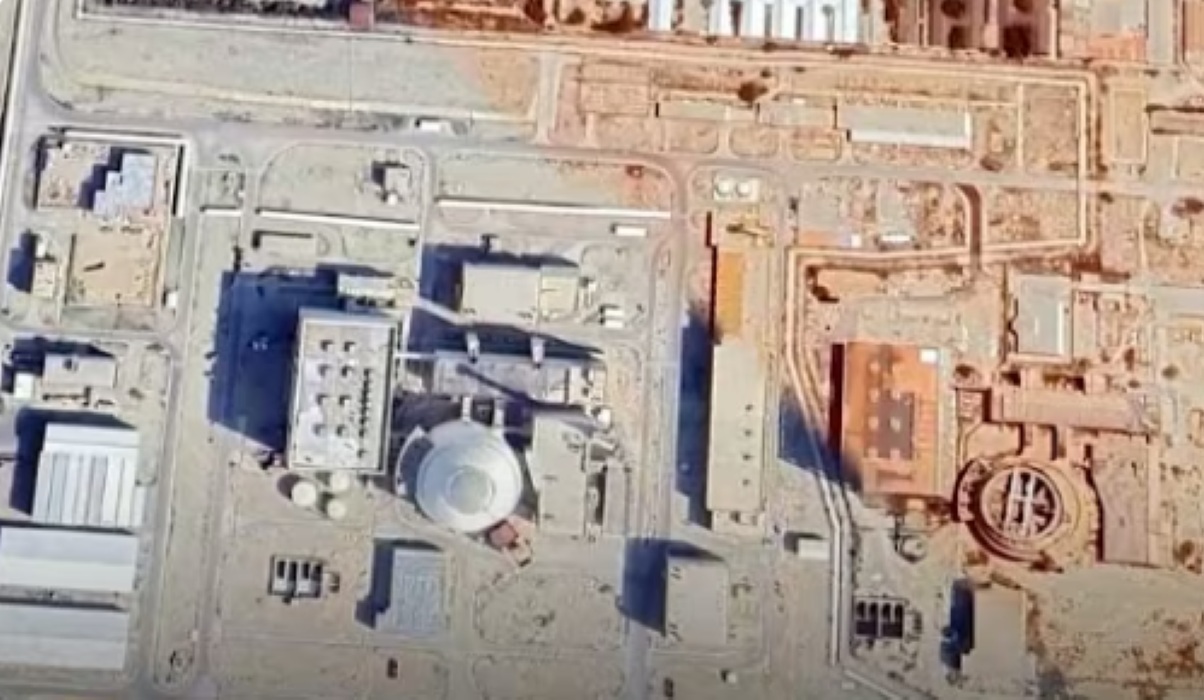
The risk of Iran pursuing the secret development of nuclear weapons is reported to be much higher now than before the United States and Israel launched their first military attacks on the Islamic Republic one year ago. This warning comes from Western officials citing the latest data from the International Atomic Energy Agency (IAEA).
Based on a restricted 119-page document circulating in Vienna, the IAEA is warning member states of the dangers of new nuclear proliferation. This is triggered by Iran’s massive inventory of uranium approaching weapons-grade levels, which is now outside routine monitoring. Before the June 2025 airstrikes that triggered a 12-day war, this nuclear material was subject to weekly IAEA inspections. However, since the conflict broke out, access has been severed.
“The Agency cannot draw any conclusions regarding this nuclear material,” the report stated. This situation raises serious concerns as it involves a large amount of highly enriched uranium (HEU). The IAEA report highlights how the US-Israel war against Iran has created a new nuclear dilemma. Two senior diplomats familiar with the report stated that the longer nuclear material remains outside IAEA supervision, the higher the risk that the material will be diverted for non-peaceful use.
Data shows that inspections dropped by more than half last year after Iran imposed new restrictions post-war. International monitors have not yet returned to damaged sites in Fordow, Isfahan, and Natanz. At these locations, Iran was last recorded to have 440.9 kilograms of highly enriched uranium and 8,599.6 kilograms of lower-enriched material.
Although the White House claims Iran’s nuclear programme has been crippled, the US government continues to seek negotiations for re-access to the uranium reserves. President Trump previously suggested that the material should be exported from Iran or neutralised domestically under IAEA supervision.
However, IAEA Director General Rafael Mariano Grossi expressed concern over the failure to involve the agency in the latest round of talks. “We are not a party to these negotiations. We participated until the last round which ended in February,” Grossi said in an interview with Al Jazeera. He emphasised that any unverifiable agreement would be a bad agreement.
With a key IAEA board meeting scheduled for 8 June in Vienna, the international community awaits further information. Tensions remain high, given that last year’s US and Israel attacks occurred only hours after IAEA reports indicated suspicious activity near the nuclear sites that were subsequently bombed.
Grossi also confirmed that Tehran has enriched uranium to 60% purity, a level far exceeding civilian energy requirements. Furthermore, the Director General confirmed that US-Iran dialogues are set to take place in Islamabad this weekend, focusing on missiles, militias, and alternative schemes to dampen the conflict.