
Hypertension Remains a Silent Threat, Early Detection Deemed Crucial
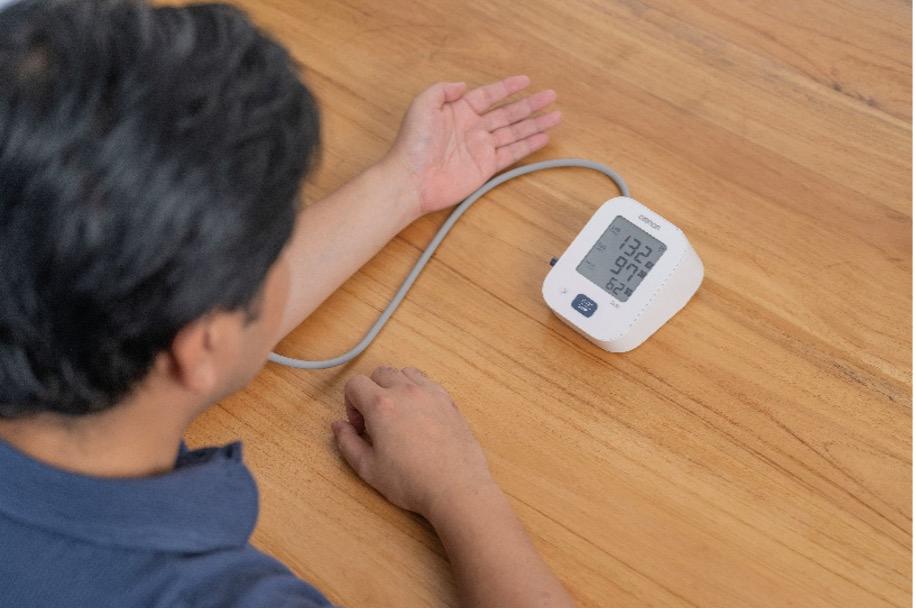
Stroke remains one of the leading causes of death in Indonesia. The World Health Organization (WHO) records stroke deaths in Indonesia in 2021 at 140.8 per 100,000 population, while ischaemic heart disease reaches 90.4 per 100,000. Hypertension is the main risk factor for both conditions. The problem is hypertension often presents no symptoms, so many patients only realise their condition after serious complications such as stroke, kidney failure, or heart disease. This has led to hypertension being described as a silent killer. In Indonesia, about one in three adults live with hypertension. However, a large share of patients do not regularly monitor blood pressure, including home self-checks. Delays in detecting hypertension can raise the risk of complications and health-care costs. Beyond health risks, stroke also imposes a large economic burden on families, including hospitalization costs, rehabilitation, medications, and lost productivity. The Government, through the Ministry of Health, has long promoted the CERDIK campaign: Routine health checks, Eliminate tobacco smoke, Regular physical activity, Balanced healthy diet, Adequate rest, and Manage stress as preventive measures for non-communicable diseases. The Chair of the Indonesian Society of Hypertension (InaSH), Dr Eka Harmeiwaty, Sp.S, says accurate blood pressure measurement is a key step in detecting hypertension and tracking treatment effectiveness. ‘Hypertension is often asymptomatic, but its impact can be very serious, including stroke, heart disease, kidney failure, blindness, and cognitive decline. Self-monitoring at home is strongly advised to monitor treatment results,’ she said. Eka notes that using clinically validated, re-calibratable BP measuring devices is important to ensure consistent accuracy. She also highlights the risk of atrial fibrillation (AFib) in hypertensive patients. The condition can increase the risk of stroke and heart failure if not detected early. ‘Hypertensive patients with AFib are at high risk of stroke and heart failure. Because AFib can be intermittent, regular monitoring is important for early detection,’ she said. The momentum of World Hypertension Day this year has also been used by several medical device companies to strengthen education about the importance of regular home BP monitoring. Omron Healthcare Indonesia launched the EZ and IQ tensiometers in Indonesia. These devices are designed to simplify blood pressure measurement with a single touch. Omron’s Director, Tomoaki Watanabe, says raised public awareness of self-monitoring of health needs to be supported by devices that are easy to use and affordable. ‘With these series, we aim to make it easier for people to monitor blood pressure accurately, quickly, and comfortably from home,’ he said. The EZ series is intended for users who need basic BP measurement with simple operation, featuring IntelliSense technology to help speed up measurement, comfort, and energy efficiency compared to previous generations. The company also targets younger age groups and professionals who are beginning to build healthy habits early, an important factor amid rising non-communicable diseases among the productive age group. Indonesia’s Health Survey (SKI) 2023 shows that 31.4% of patients aged 25–34 undergoing haemodialysis are from the total chronic kidney disease patients. Hypertension has been identified as one of the main risk factors for chronic kidney disease. The IQ series targets users needing further monitoring, including detection of AFib via AI-based IntelliSense AFib technology. It also features a larger display and IntelliWrap 360° technology to help reduce misapplication of the cuff during measurement. At the product launch, public figures shared experiences about cardiovascular disease. Radio broadcaster and culture advocate Iwet Ramadhan said he once suffered a stroke despite living a healthy lifestyle. ‘If I, who consider myself healthy, could have a stroke, anyone should be more vigilant. Do not wait for symptoms; regular health checks are essential,’ he said. Meanwhile, presenter and radio host Dave Hendrik shared his experience of a heart attack that came without noticeable symptoms. ‘We often feel fine until it’s too late. From my experience, routine health monitoring can be a simple but meaningful step.’ In addition to launching new products, Omron Healthcare Indonesia also plans to expand its Omron Experience Center (OEC) network to 12 cities in Indonesia in 2026 to support education, product consultation, service, and device calibration. Health experts say simple habits like routine home BP checks can be an initial step to reduce cardiovascular disease risk, which remains a major public health challenge in Indonesia.