
Hybrid vs Diesel Cars: Which Vehicle is More Robust?
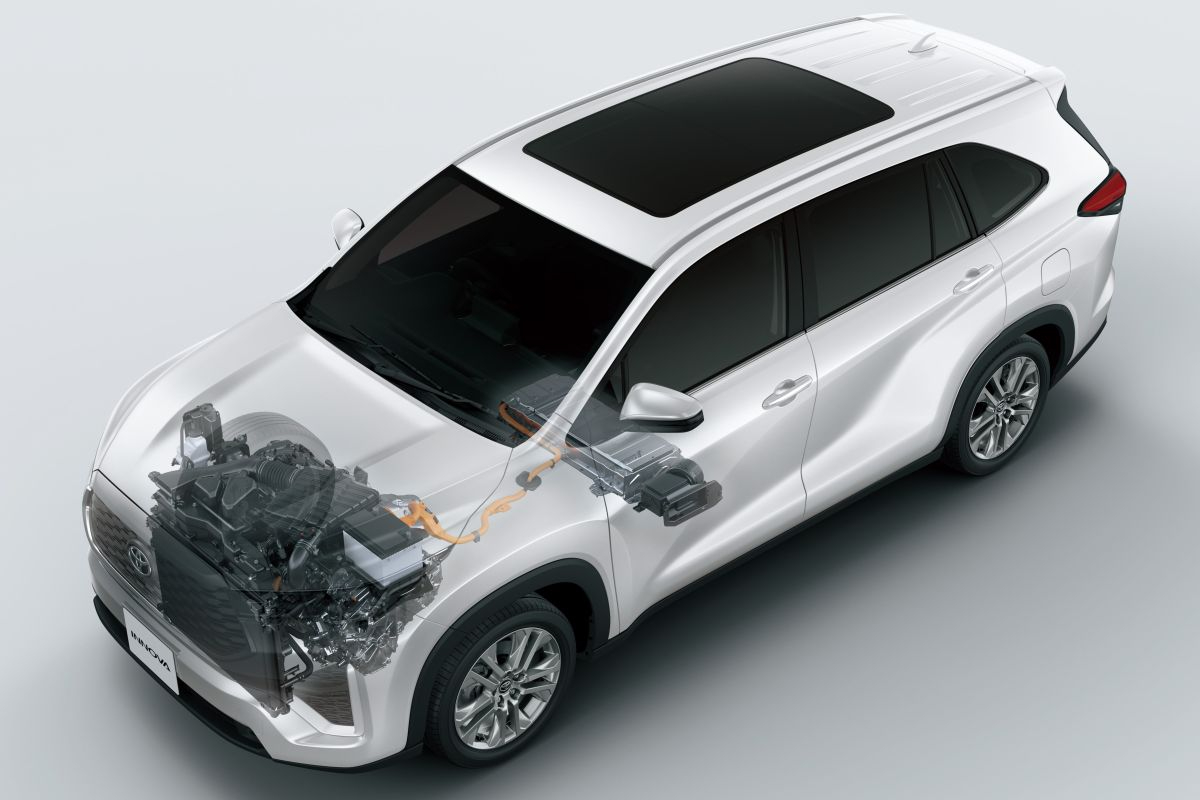
The debate regarding the best vehicle engine choice in Indonesia is no longer limited to conventional petrol. The arrival of electrification technology through hybrid cars is beginning to challenge the dominance of diesel engines, which have long been known as the kings of the road in terms of robustness and long-distance efficiency. For consumers weighing modern efficiency against proven mechanical strength, understanding the fundamental differences between the two is key.
Hybrid cars operate by combining two power sources: an internal combustion engine (ICE) and an electric motor powered by a battery. This system is designed to complement each other, where the electric motor typically takes over at low speeds or in stop-and-go conditions, while the petrol engine operates when more power is needed or to recharge the battery.
On the other hand, diesel engines operate on the principle of high compression without spark plugs. Their primary characteristic is abundant torque available from low engine revolutions. This is why diesel engines are often associated with heavy-duty vehicles and superior climbing capabilities.
When discussing “robustness” in the context of daily use in large, congested cities like Jakarta, hybrid cars have a clear advantage. The hybrid system can shut off the petrol engine during heavy traffic, making fuel consumption extremely minimal. Here, the robustness of a hybrid is measured by energy efficiency and smooth driving comfort.
However, if the definition of robustness is the ability to traverse heavy terrain, light flooding, or long-distance provincial trips with full loads, diesel engines remain difficult to beat. Modern diesel engines (Common Rail) possess good heat resistance for long-duration operations and high torque that assists drivers when overtaking on inclines or carrying heavy loads.
Generally, hybrid cars offer very impressive fuel consumption figures on urban routes, often exceeding 20 km/litre. Exhaust emissions are also much lower due to the assistance of the electric motor.
Diesel engines are also very economical, especially when driven at constant speeds on highways. However, the main challenge for diesel engines in Indonesia is fuel quality. Modern diesel engines require high-quality diesel fuel (low sulphur) to maintain performance and prevent components such as injectors from premature damage. In terms of emissions, despite being equipped with particulate filters, diesel tends to produce higher pollution compared to hybrid systems.
Many potential buyers are concerned about the cost of battery replacement in hybrid cars. However, many manufacturers currently provide battery warranties of up to 8 years or 160,000 km, providing peace of mind. Routine maintenance for hybrids is actually similar to conventional petrol cars, and even more economical regarding brake components due to the regenerative braking system.
Diesel engines are known for extraordinary long-term durability if maintained correctly. However, service costs can escalate if owners frequently use low-quality diesel fuel, which causes blockages in the fuel system. Regarding resale value, in the Indonesian market, diesel cars (especially in the SUV and MPV segments) still hold very stable price records.
Specific pricing data for the latest hybrid and diesel models is currently being validated. Consumers are advised to refer to official manufacturer websites to obtain the latest On-The-Road (OTR) Jakarta prices according to their desired variant.
The answer to which is more robust depends heavily on your mobility needs: both technologies have their respective advantages. Hybrid is a symbol of future efficiency robustness, while diesel is a symbol of physical robustness that remains irreplaceable in heavy terrain. Hybrid technology serves as the most sensible transition solution for consumers not yet ready to switch entirely to Battery Electric Vehicles (BEV).
In fact, the domestic automotive market is now being enlivened by hybrid car options in the Rp200 million range, available in both new and high-quality used car conditions.
Source: jawawa.id (https://jawawa.id/newsitem/hybrid-vs-diesel-cars-which-vehicle-is-more-robust-1788623540)
Originally published by Media Indonesia (https://mediaindonesia.com/otomotif/930240/mobil-hybrid-vs-mobil-diesel-kendaraan-mana-yang-lebih-tangguh), translated from Indonesian