
Hybrid or Electric Cars: Which is More Suitable for Daily Use?
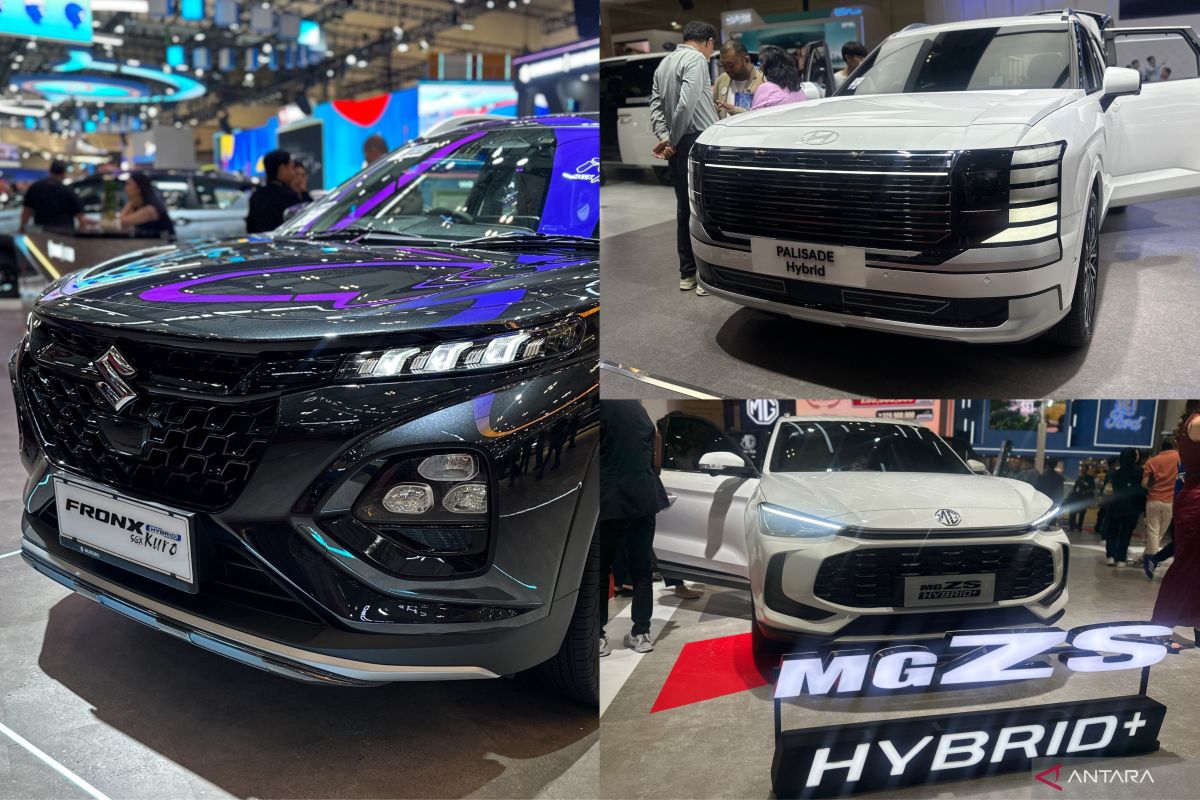
The development of vehicle electrification is providing the public with more options when purchasing new cars. In addition to hybrid cars that still utilise petrol engines, Battery Electric Vehicles (BEV) are becoming increasingly easy to find in the Indonesian market.
These choices certainly possess different characteristics, particularly regarding energy consumption, driving range, charging, and daily usage habits.
- Differences in how they work
Hybrid cars use an internal combustion engine paired with an electric motor and battery. This system allows the vehicle to use a petrol engine, an electric motor, or both, depending on driving conditions.
Meanwhile, pure electric cars or BEVs do not use an internal combustion engine. The vehicle’s power comes entirely from a battery that drives an electric motor, meaning users need to charge the battery periodically.
This difference in systems forms the basis of various characteristics experienced by users in daily use.
- Flexibility and infrastructure
One advantage of hybrid cars is their flexibility for long-distance travel. When battery energy is insufficient, the petrol engine can still be used, allowing drivers to continue their journey by refuelling at petrol stations.
This makes hybrids more practical for people who frequently travel to areas that do not yet have many electric vehicle charging facilities. Hybrid cars also do not rely entirely on Public Electric Vehicle Charging Stations (SPKLU). Drivers can still rely on the more widespread network of petrol stations across various regions.
- Electric cars are more practical for certain daily uses
Electric cars have the advantage of a simpler propulsion system because they do not use an internal combustion engine. Users also do not need to refuel as they would with conventional or hybrid cars.
For those whose activities are mostly conducted within urban areas and who have access to charging at home, electric cars can be a practical choice. Infrastructure development is also steadily increasing. PLN has noted that it has prepared 4,769 Public Electric Vehicle Charging Station (SPKLU) units in 3,097 locations across Indonesia by March 2026. The average distance between SPKLU units prepared by PLN is approximately 22 kilometres.
- Charging time as a consideration
Another difference lies in the time required to replenish energy. Hybrid cars can be used again after refuelling in a relatively short time.
For electric cars, charging time depends on battery capacity, charger power, and the type of facility used. Charging at home generally takes longer compared to fast-charging facilities. Nevertheless, electric car users can charge their vehicles when they are not in use, for example, overnight at home.
PLN is also continuously adding fast-charging facilities. The SPKLU Centre developed by PLN features Ultra Fast Charging facilities that allow for quicker charging compared to standard methods.
Electric cars have the potential for lower energy costs because they use electricity as a power source. The extent of savings still depends on vehicle consumption, electricity tariffs, driving patterns, and a comparison with fuel prices. Meanwhile, hybrid cars still require fuel, but the use of an electric motor can help increase efficiency, especially in certain driving conditions such as urban traffic.
Therefore, operational cost comparisons should not only look at the vehicle purchase price but also account for energy costs, maintenance, tax, insurance, and usage requirements over several years.
- Both electric and hybrid markets are growing
Data from the Association of Indonesia Automotive Industries (GAIKINDO) shows that electrified vehicles are gaining a stronger foothold in the national automotive market. Throughout 2025, sales of electrified vehicles—comprising hybrids, plug-in hybrids, and BEVs—reached 175,144 units. This figure increased from 103,228 units in 2024.
Specifically, hybrid sales increased from 59,903 units in 2024 to 65,943 units in 2025. Meanwhile, BEV sales increased from 43,188 units to 103,931 units during the same period. This trend continued into 2026. GAIKINDO data cited by Bisnis shows that hybrid sales reached approximately 50,373 units from January to July 2026. During the same period, BEV sales also continued to grow.
- Which is more suitable for daily use?
The choice between a hybrid and an electric car actually depends on the individual needs of the user.
Hybrid cars are more suitable for those who frequently undertake intercity travel, often travel to areas with limited electric charging facilities, or want an electrified vehicle without having to worry excessively about charging locations. Electric cars are more suitable for users whose majority of driving is within the city, who have access to charging at home or work, and who wish to reduce dependence on fossil fuels.
For those who frequently undertake long journeys but still want to benefit from the efficiency of electrification technology, a hybrid can be a more flexible choice. Ultimately, no single type is absolutely better for everyone. The most appropriate choice must consider daily mileage, availability of charging points, frequency of out-of-town travel, budget, and the facilities available near one’s residence.