
Hybrid Once King, Now Overtaken by Full Electric Cars: What's Happening in Indonesia?
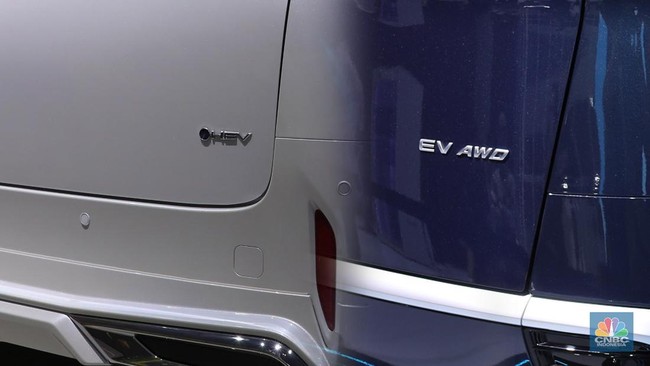
The electrified vehicle trend in Indonesia has undergone a significant shift in recent years. Whereas hybrid cars were more dominant when they first appeared, pure electric vehicles, or battery electric vehicles (BEVs), are now recording far higher sales.
Data from the Association of Indonesian Automotive Industries (Gaikindo) shows that throughout 2023, hybrid car sales reached 52,568 units, or around 75.4% of total electrified vehicle sales. In the same period, BEV sales only reached 17,058 units, with a market share of 24.4%.
However, that position reversed in 2025. BEV sales reached around 103,931 units, surging 141% compared to the previous year. Meanwhile, hybrid sales were recorded at around 65,943 units, growing only about 10%.
Senior automotive observer Bebin Djuana believes the change cannot be separated from the character of the brands present when electrified vehicles were first introduced to the Indonesian market. According to him, brand reputation was one of the main reasons consumers initially preferred hybrid vehicles.
“In the beginning, hybrids sold well because they were carried by big names with undeniable reputations, while EVs were new brands from China and the prices were not particularly attractive,” Bebin told CNBC Indonesia on Friday (14/8/2026).
Over time, the competitive landscape for electric vehicles has changed quite rapidly. The arrival of more Chinese brands has given consumers a wider range of choices, while electric vehicle prices have also become increasingly competitive in the Indonesian market.
“As time went on, there happened to be an overstock in the country of origin, leading to a price war. Our government provided subsidies and incentives, accompanied by the growth of public EV charging stations and the experiences of users who had already tried them earlier,” Bebin said.
These changes have given consumers more considerations before deciding which type of electrified vehicle to buy. Besides price, ecosystem readiness and user experience have become factors that help build trust in electric vehicles.
“The hybrids now entering the market have different working principles. Consumers are quietly studying them first, whereas EV dealers and their networks are better prepared, so consumers make purchasing decisions more quickly. Added to that is the concern about EV price increases due to the weakening rupiah,” he said.
This trend shift is reflected in national sales data. In 2025, BEVs not only outperformed hybrids in unit numbers but also recorded far more aggressive growth.
The surge in BEV sales occurred as the Indonesian market became increasingly crowded with new entrants, especially Chinese brands offering electric vehicles at more competitive prices. At the same time, the development of charging infrastructure and the growing number of BEV users have made the technology more widely known to the public.
Thus, the shift from hybrid dominance to BEVs is not simply because consumers have abandoned hybrid technology.
The change is the result of a combination of price, product choice, sales network readiness, charging infrastructure, user experience, and the direction of government policy, all of which have helped shape Indonesia’s electrified vehicle market.
Source: jawawa.id (https://jawawa.id/newsitem/hybrid-once-king-now-overtaken-by-full-electric-cars-whats-happening-in-indonesia-1786715503)
Originally published by CNBC Indonesia (https://www.cnbcindonesia.com/news/20260814151617-4-759409/hybrid-dulu-juara-kini-disalip-mobil-listrik-full-ada-apa-indonesia), translated from Indonesian