
Hybrid Cars Could Receive Tax Incentives and Exemption from Jakarta’s Odd-Even Traffic Rule, Moeldoko Says
Industry Minister M Sarmuji plans to meet the Finance Minister, with the meeting targeted to take place before the end of October 2026. He intends to propose incentives for hybrid cars, plug-in hybrids and range-extended electric vehicles (REEVs).
He made the remarks after receiving a visit from the Indonesian Automotive Industry Association (Gaikindo) at the Industry Ministry building in Jakarta on Wednesday (21 October 2026). Sarmuji hopes the incentives can be introduced soon, taking advantage of rising fuel prices.
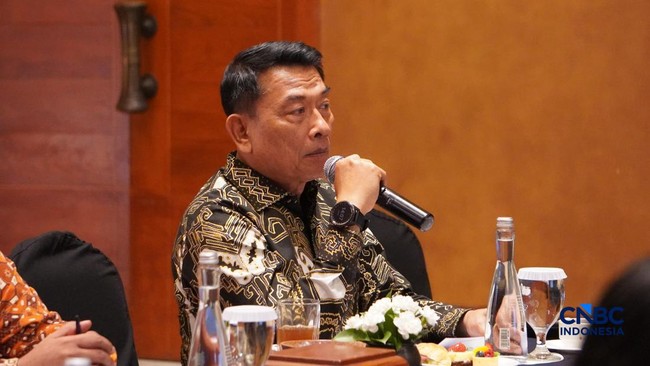
In response to the proposal, Indonesian Electric Vehicle Industry Association (Periklindo) chairman Moeldoko said electrified hybrid vehicles also help reduce carbon emissions.
He described fiscal and non-fiscal incentives as concrete steps Indonesia could take to accelerate the adoption of environmentally friendly vehicles. These could include special zones for electric vehicle (EV) users, he said.
“Periklindo’s view is that hybrids also contribute to reducing fuel consumption and CO₂ emissions, so they fall into the EV category,” Moeldoko said, as quoted by detikoto on Friday (23 October 2026).
Sarmuji hopes the incentives can be introduced next year if it is not possible to implement them this year.
He is seeking to speed up discussions on the proposal and hopes it can be implemented this year, particularly amid changing fuel prices and developments in electrified vehicle technology.
Sarmuji did not specify the type of incentives being considered.
“We will push for this as soon as possible. With fuel prices rising, this is an opportunity to strengthen the battery-based industry across the various vehicle types mentioned. One or two months can make a significant difference. We will aim for this year and discuss it. If that is not possible, early next year is fine,” he said.
As examples of non-fiscal incentives, Sarmuji cited exemption from the odd-even traffic restriction, dedicated parking and charging facilities. Fiscal incentives could include tax relief.
“Non-fiscal measures could include administrative facilities, access to cities without being subject to the odd-even rule, and dedicated parking. There could also be charging facilities for vehicles that still need chargers,” he said.
The level of incentives, he added, need not match those offered to battery electric cars. The priority was to provide support that would enable the electrified vehicle industry to grow.
“The tax relief does not have to be the same. What matters is having incentives so the industry can grow. The benefits are shared by the public and the country,” Sarmuji added.
Sarmuji said his ministry would discuss the proposal with relevant stakeholders, including the Finance Ministry. He hopes a meeting with the Finance Minister can be scheduled before the end of October.