
Hurricane Polo Explodes into Category 5 Monster, Triggered by El Niño
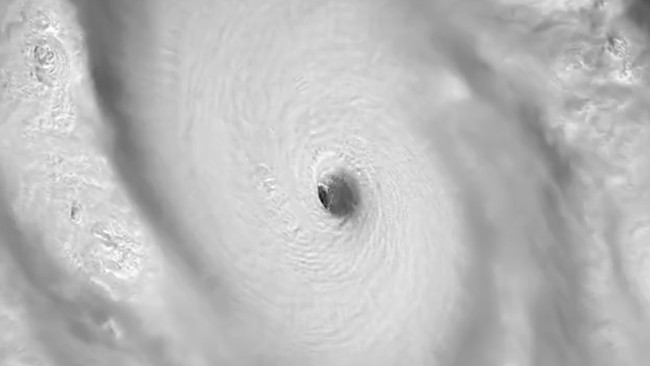
Hurricane Polo has suddenly transformed into a Category 5 storm after undergoing extreme intensification in the Pacific Ocean, off the coast of Mexico. Wind speeds surged to 180 miles per hour, or approximately 290 km/h, on Tuesday (22/09/2026).
Polo underwent extreme intensification in a short period, with wind speeds increasing by about 110 miles per hour within roughly 24 hours. The United States National Hurricane Center (NHC) described the rate of intensification as “truly extraordinary” and noted it is among the fastest ever recorded in the Eastern Pacific region.
The storm is located several hundred miles south-southeast of Manzanillo, Mexico. Polo is expected to move northwest and remain parallel to the Mexican coastline until the weekend.
Although it is not currently expected to hit the USA, Polo’s development is a major concern for the North American region. The Eastern Pacific is a key area for storm formation that can influence weather conditions along the western coasts of the continent.
El Niño as the “Culprit”
The intensification of Polo occurred as the storm moved over very warm waters. These conditions further support storm development, as warm seawater provides energy for tropical systems.
CNN International reported on Wednesday (23/09/2026) that these conditions are also influenced by the super El Niño phenomenon, which is said to be driving a highly active hurricane season in the Pacific region.
Polo is noted to have an intensification pattern similar to Hurricane Otis in 2023, which saw wind speeds increase by approximately 105 miles per hour in 21 hours before hitting Acapulco, Mexico.
At present, the greatest impact of Polo is expected to be felt in Mexico. Heavy rainfall in Guerrero and Michoacán is expected to reach 3-6 inches, or approximately 76-152 millimetres, and even up to 8 inches in some locations.
This rainfall has the potential to trigger life-threatening floods and landslides, while the coastal regions of Oaxaca, Colima, and Jalisco are also expected to experience heavy rain.