
Human Rights Ministry Opens Access to Human Rights-Aware Village Data
Jakarta (ANTARA) — The Human Rights Ministry has opened access to its Human Rights-Aware Village data so that the public and government can monitor the fulfilment of basic rights at village level and determine appropriately targeted policy interventions.
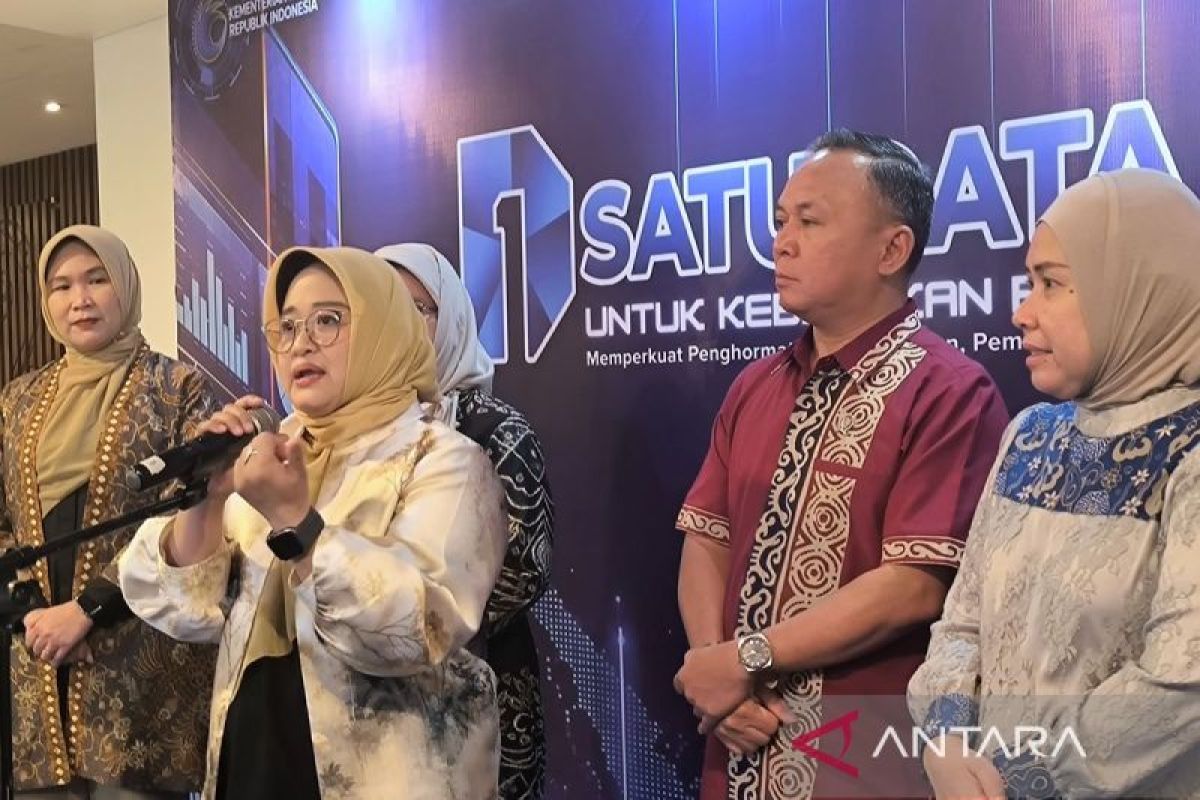
“People can now see how far the fulfilment of basic rights at village level has progressed,” said Linda Pratiwi, head of the ministry’s Data and Information Centre, at a press conference to publish Indonesia’s One Human Rights Data initiative in Jakarta on Tuesday.
Linda said the data can be accessed without a password through desaham.kemenham.go.id. The public can use it to see progress in fulfilling basic rights and identify needs that remain unmet.
She said the information could provide a basis for the government to design interventions in response to issues identified on the ground.
Linda explained that data collection for the Human Rights-Aware Village programme began only in 2026. The process involves verifiers from the Human Rights Ministry’s regional offices, who inspect conditions in person to ensure the data matches reality.
“The data collection can be said to be based on local community conditions, because officers see things directly and verify whether the data is accurate,” she said.
Linda said the survey covers 186 villages, while data on the fulfilment of rights has so far been recorded for only 30 villages.
As the system uses real-time data, information and progress against the indicators can be updated continually in line with developments on the ground.
She cited the number of villages meeting indicators related to the Sustainable Development Goals (SDGs), which had previously stood at between two and five before rising to 10 in an update she had seen.
The Human Rights Ministry can also display the distribution of the data on a dashboard to parties that need it, in accordance with applicable rules.
Linda said the ministry’s human rights complaints service recorded around 1,300 complaints between January and September 2026.
The ministry is still strengthening the regulatory framework and data systems before developing interoperability—the ability of systems to connect and exchange data.
The effort is supported by a data-sharing forum involving around 50 ministries, institutions and local governments, Linda said.
She said an agreement on sharing data through a government platform was discussed in July as part of efforts to strengthen data integration between institutions.