
Human Rights Ministry: MBG Evaluation Should Focus on Governance Improvements
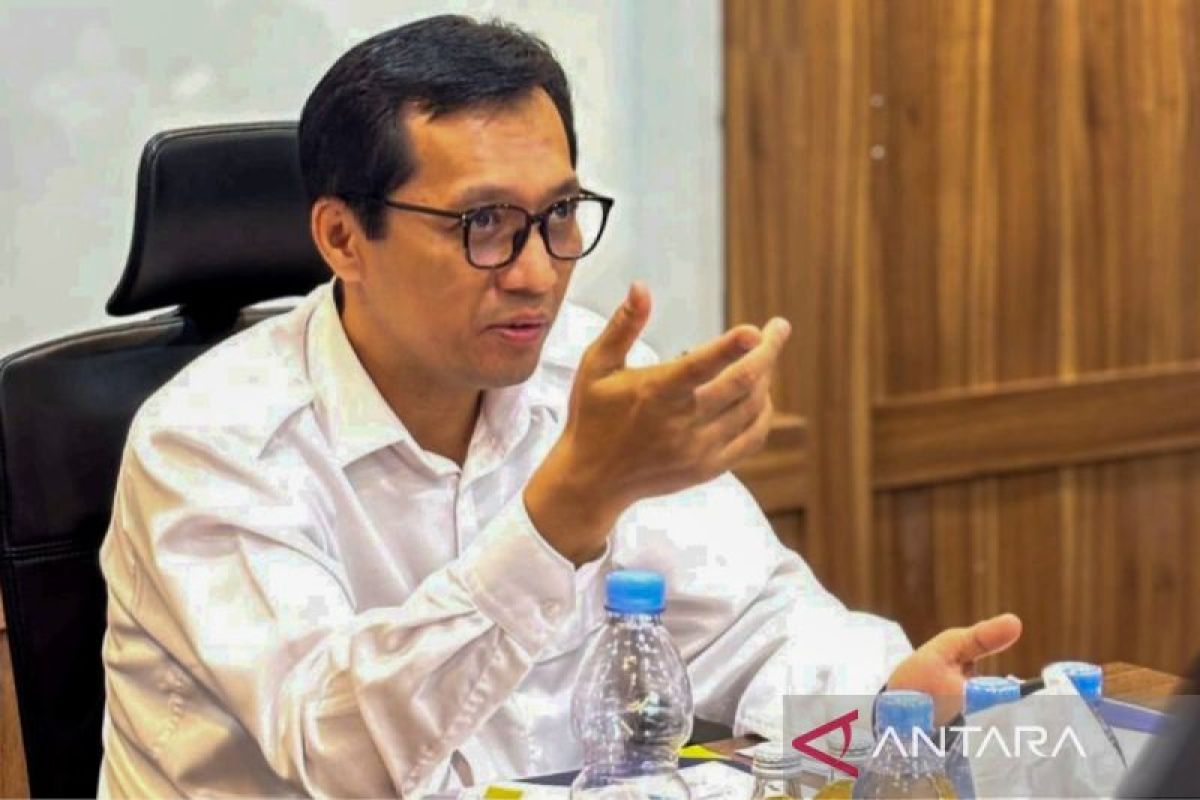
The Director General of Human Rights Services and Compliance at the Ministry of Human Rights (KemenHAM), Munafrizal Manan, has stated that the evaluation of the Free Nutritious Meal (MBG) programme should be directed towards perfecting governance to ensure the optimal fulfilment of the public’s basic rights.
This statement was made in response to the National Commission on Human Rights (Komnas HAM) Press Statement Number 21/HM.00/VI/2026, which called for a comprehensive evaluation of the MBG programme in accordance with human rights principles and cited strong indications of human rights violations in its implementation.
Speaking in Jakarta on Wednesday, Munafrizal noted that the MBG programme is fundamentally a state policy designed to meet the economic and social rights of the community, particularly the right to food and the improvement of the quality of life for vulnerable groups.
“The MBG programme is a concrete manifestation of the fulfilment of human rights, encompassing the right to sufficient food, the right to be free from hunger, the right to improve one’s standard of living, the right to meet basic needs, the right to grow and develop properly, and the right to an enhanced quality of life,” said Munafrizal.
According to him, various issues in the programme’s implementation, such as imperfect governance or the need for improved supervision, cannot automatically be classified as human rights violations.
“Komnas HAM was correct in stating the need for a comprehensive evaluation of the MBG Programme, but Komnas HAM was mistaken in concluding that human rights violations are occurring within the MBG Programme,” he said.
He assessed that the recommendation for evaluation actually indicates that the programme is still seen as necessary to continue, albeit with various improvements to increase its implementation effectiveness.
Munafrizal also highlighted the methodological aspects of Komnas HAM’s assessment. He argued that the content of the press statement more closely reflects a research and study function, rather than a monitoring function through investigation and examination typically used to assess human rights violations.
“If a monitoring function were being performed, then that Press Statement should have included the entire series of investigations and examinations that have been conducted, as is customary,” he added.
He explained that the fulfilment of the right to food, freedom from hunger, and the improvement of living standards are forms of positive rights that require a proactive role from the state.
KemenHAM also revealed that the MBG Programme received a positive response during a side event at the 61st Session of the UN Human Rights Council in Geneva on 12 March 2026, titled “Indonesia’s Free Nutritious Meal Programme: A Rights-Based Investment in Human Dignity”. The forum was attended by panelists from the Food and Agriculture Organization (FAO), the World Food Programme (WFP), and representatives from several countries.
According to Munafrizal, evaluating the implementation of the MBG remains important to strengthen governance, but it must be placed within the framework of improving policies for the fulfilment of human rights.
Source: jawawa.id (https://jawawa.id/newsitem/human-rights-ministry-mbg-evaluation-should-focus-on-governance-improvements-1781672042)
Originally published by Antara (Indonesian) (https://www.antaranews.com/berita/5610865/kemenham-nilai-evaluasi-mbg-perlu-fokus-pada-perbaikan-tata-kelola), translated from Indonesian