
Human Rights Ministry in Bangka Belitung highlights child labour in tin mines
Pangkalpinang (ANTARA) - The Regional Office of the Ministry of Human Rights (KemenHAM) for the Bangka Belum Islands province has highlighted the involvement of children in tin mining activities, noting that such dangerous work can threaten their health, safety, and future.
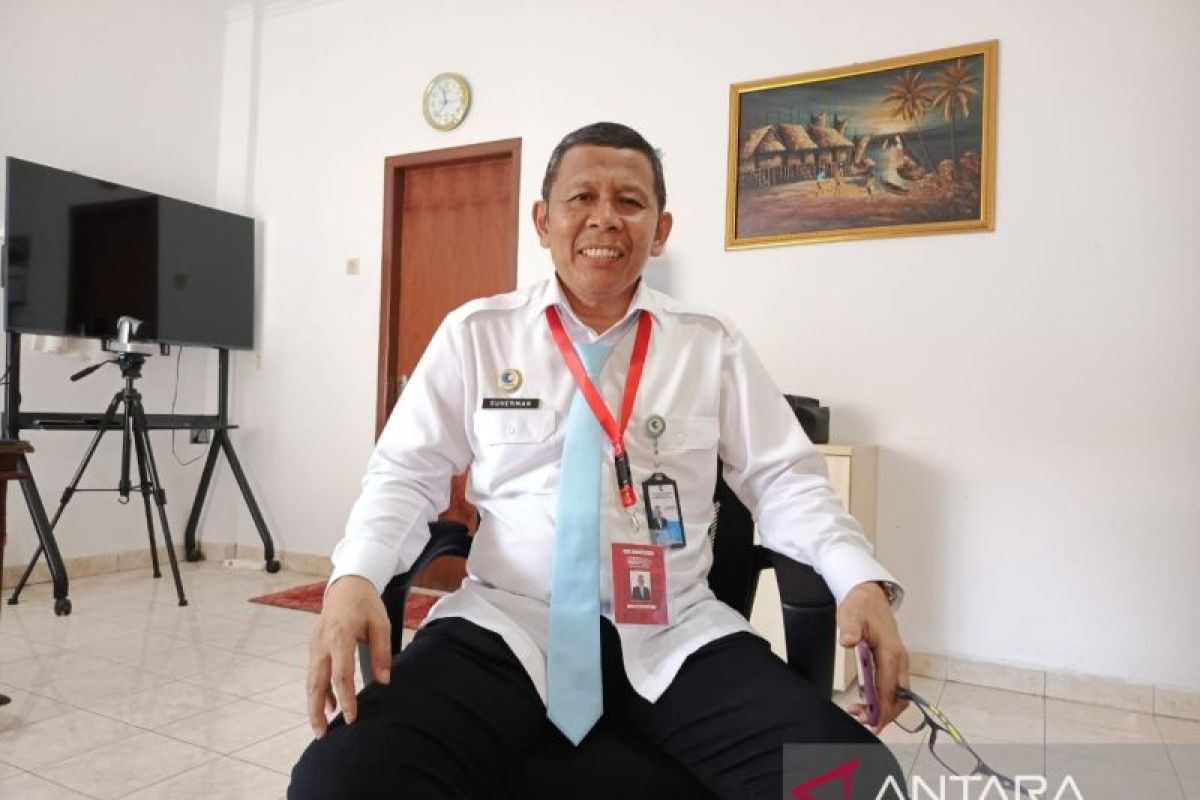
Suherman, the Head of the KemenHAM Regional Office for Bangka Belitung, stated in Pangkalpinang on Wednesday that parents must not involve or allow children to work in tin mining activities. “We hope that parents will no longer allow their children to search for tin, as this clearly violates human rights,” he said.
Suherman noted that the protection of children from hazardous work is regulated under Law Number 23 of 2002 on Child Protection, as amended by Law Number 35 of 2014, as well as Law Number 13 of 2003 on Manpower. The Manpower Law prohibits children from being involved in the worst forms of labour, including work that endangers a child’s health, safety, or morality. Specific types of hazardous work are further regulated under the Decree of the Minister of Manpower and Transmigration Number KEP.235/MEN/2003.
“Parents must understand their role in protecting their children. They should not allow their children to be sent to work while the parents relax at home,” Suherman remarked.
He added that the KemenHAM Regional Office, in collaboration with district and city governments in the Bangka Belitung Islands, is conducting socialisation and education regarding the impacts of mining and the environment, as well as the rights of children and parents. These activities also provide education on issues regarding juvenile delinquency.
“Through these activities, we aim to at least minimise child labour in tin mines,” he said.
According to Suherman, tin mining activities, which serve as a primary source of livelihood for communities—particularly in several rural areas of Bangka Belitung—also create opportunities for children to become involved in searching for tin. He noted that there are still children participating in ‘melimbang’ (manual panning/searching) for tin at conventional mining sites.
He further stated that the issue of child labour is also linked to educational sustainability, as working children are at risk of dropping out of school and facing various social problems. “Currently, many children working in tin mines have dropped out of school, which ultimately triggers other social issues such as early marriage, juvenile delinquency, stunting, and more,” he said.
Based on data from the Central Bureau of Statistics (BPS), the percentage of child workers aged 10–17 in the Bangka Belitung Islands in 2024 was recorded at 2.05 per cent. This data covers child workers across all business sectors and does not specifically indicate the exact number of children working in the tin mining sector.
The National Commission for Child Protection of Bangka Belitung also highlighted in May 2024 that children are still working by panning for tin in unconventional mines, assessing that such activities can disrupt the continuity of children’s education.
The Ministry of Human Rights is encouraging parents and the community to ensure that children obtain their rights to education and development, and are protected from work that could endanger their health and safety.