
Human Rights Minister Proposes Civilian Appointments for Senior Police Positions
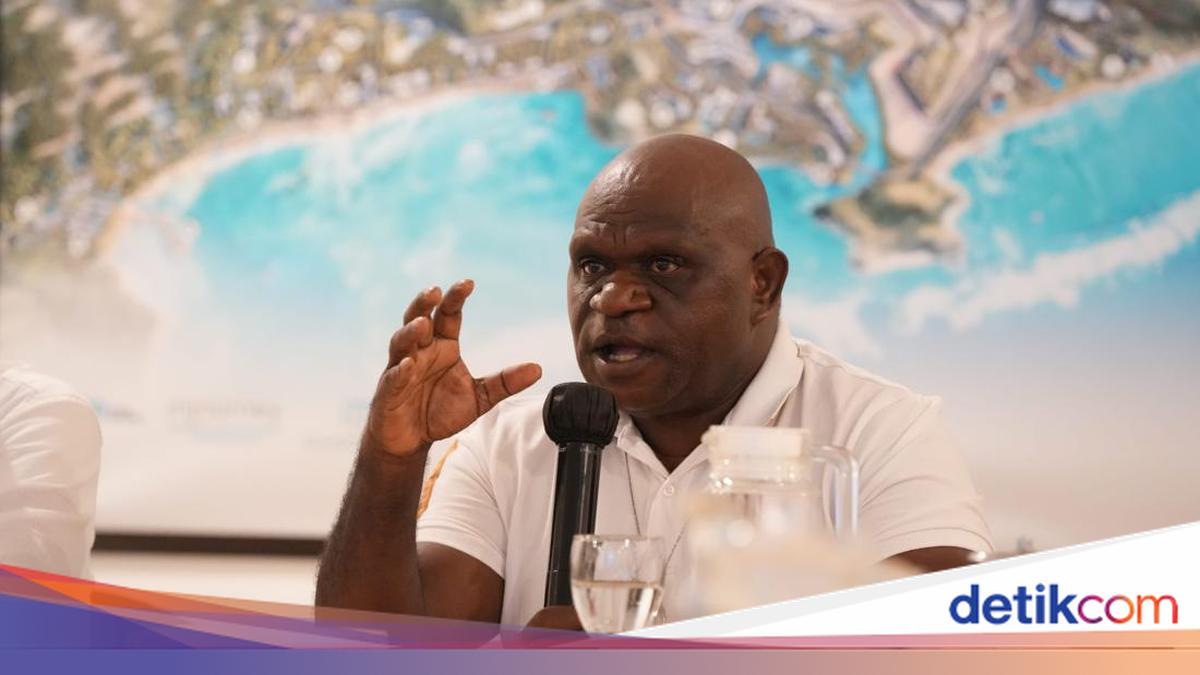
According to Pigai, the positions available for civilian personnel would not include roles directly related to the core operational duties of the Indonesian National Police (Polri). Instead, these roles would encompass managerial support and strategic administration, such as planning, human resource management, internal oversight, digital transformation, financial management, personnel, and organisational governance, at levels equivalent to high-level leadership or Echelon I.
“I propose that one of the components of the Police Law revision includes opening senior positions within the Police to civilians. Naturally, these would be roles such as administration, finance, inspectorate, or personnel, which are not directly linked to the primary duties of the police,” Pigai stated when responding to journalists regarding the Police Law revision on Friday (5/6/2026).
Pigai explained that involving civilian professionals in key administrative roles is a practice developing in various modern democratic nations. Furthermore, the proposal is viewed as being in line with the spirit of reform, which seeks to position the police as a professional, modern, and democratic civilian institution.
He continued that such a policy is necessary to maintain balance, noting that police officers currently hold senior positions within various civilian institutions. “If, as it stands, police officers can hold official positions in civilian institutions, ministries, and agencies, then it is only fair that civilians can also occupy senior positions within the Police institution,” he clarified.
The Human Rights Minister emphasised that every position must be filled by individuals possessing the best competencies, whether they originate from the police force or the civilian sector, provided they meet the requirements set by law.
Filling these positions would offer several benefits, including strengthening the merit system, introducing broader perspectives on governance, increasing organisational efficiency, and expanding the space for citizen participation in government administration.
On this occasion, the Human Rights Minister also encouraged that the discussions regarding the Police Law revision be conducted participatively, involving the government, the House of Representatives (DPR), academics, civil society organisations, and various other stakeholders.
“The ultimate goal is not merely a change in organisational structure, but to ensure that police governance becomes increasingly professional, accountable, respectful of human rights, and aligned with the principles of the rule of law and democracy,” he asserted.