
Human Rights Minister Affirms Free Nutritious Meals Programme as Fulfilment of Citizens' Basic Rights
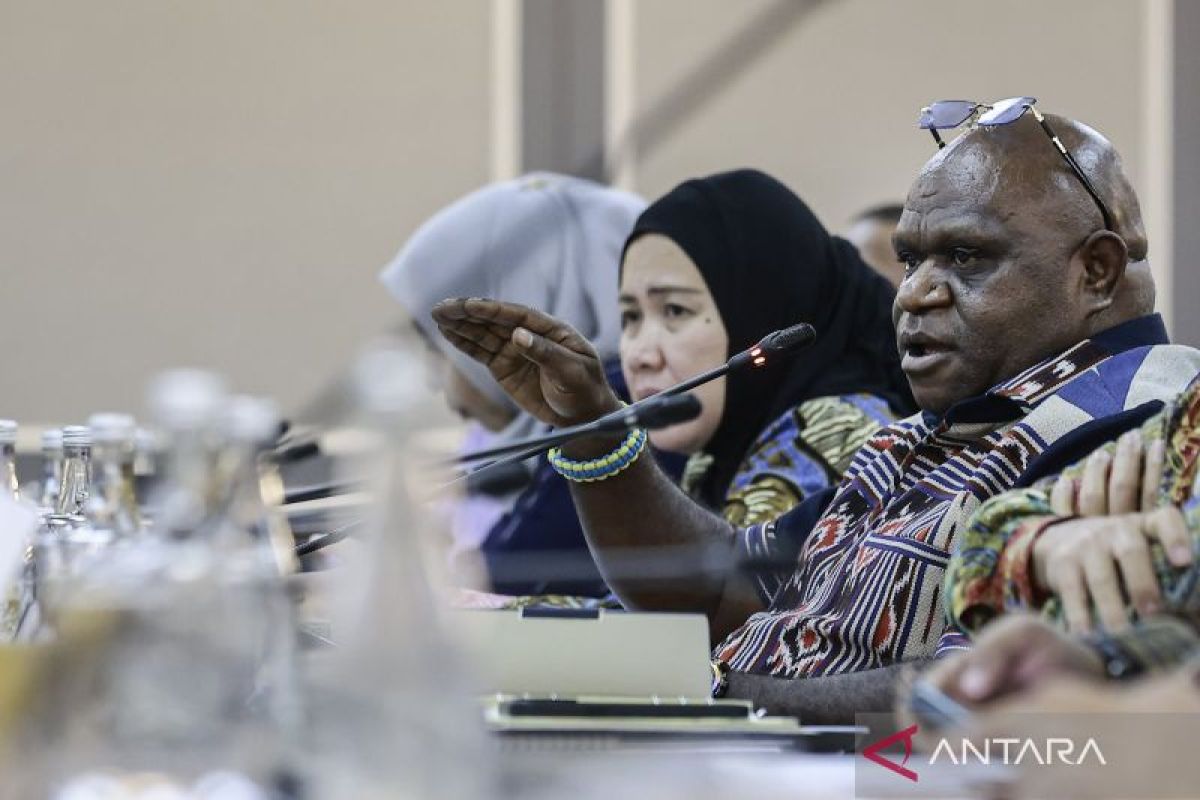
Jakarta - Human Rights Minister Natalius Pigai has emphasised that the Free Nutritious Meals (MBG) programme is part of the state’s effort to fulfil the basic rights of the people. According to him, evaluation of the MBG programme’s implementation should be placed within a framework of governance improvement, rather than immediately judged as a human rights violation. Pigai stated in Jakarta on Tuesday that MBG is a development process aimed at improving the nutritional quality of the community, especially vulnerable groups, as part of fulfilling the rights to food, health, and education recognised in various international human rights instruments. “In the context of human rights, MBG is still an ongoing process of achieving fulfilment of human rights needs. Moreover, the MBG programme is a development process towards achieving human rights standards. Therefore, it must not be called a human rights violation,” said Pigai. He said evaluation of the programme’s implementation remains necessary to ensure the goal of fulfilling basic rights is achieved optimally. However, assessments of human rights violations must be made carefully and proportionally. “But, yes, an evaluative assessment is needed. Do not suddenly call it a human rights violation. That shows a lack of understanding of human rights principles,” he stated. Pigai explained that various international human rights instruments encourage states to strengthen public protection systems through the provision of health, education, food, and other basic needs without discrimination. In this context, MBG is considered aligned with a human rights-based development approach. According to Pigai, programmes that expand public access to basic needs, including nutritional fulfilment, are also in line with global standards developed by various international institutions, including human rights mechanisms under the United Nations. He added that the modern human rights framework is closely linked to the 2030 Sustainable Development Goals (SDGs) agenda, which emphasises poverty reduction, social equality, and the empowerment of vulnerable groups. “In this context, a development approach that prioritises social equality, poverty reduction, and the empowerment of vulnerable groups is an important part of the strategy for fulfilling human rights,” he said. Pigai added that MBG is one instrument to accelerate the achievement of these goals through improving the nutritional quality and health of the community. “The MBG programme deliberately focuses first on those who are furthest behind, striving towards empowerment and inclusion for young people and marginalised groups,” he stated. Previously, the National Commission on Human Rights (Komnas HAM) presented the results of its monitoring of MBG implementation and recommended an evaluation of the programme’s governance, including aspects related to oversight, transparency, nutritional quality, inter-agency coordination, and the protection of workers involved in the programme’s delivery. According to Pigai, this input can be part of efforts to refine MBG implementation so it becomes more effective in fulfilling the basic rights of the people.