
Human Rights Bill Strengthens Komnas HAM Independence Through Non-Civil Servant Experts
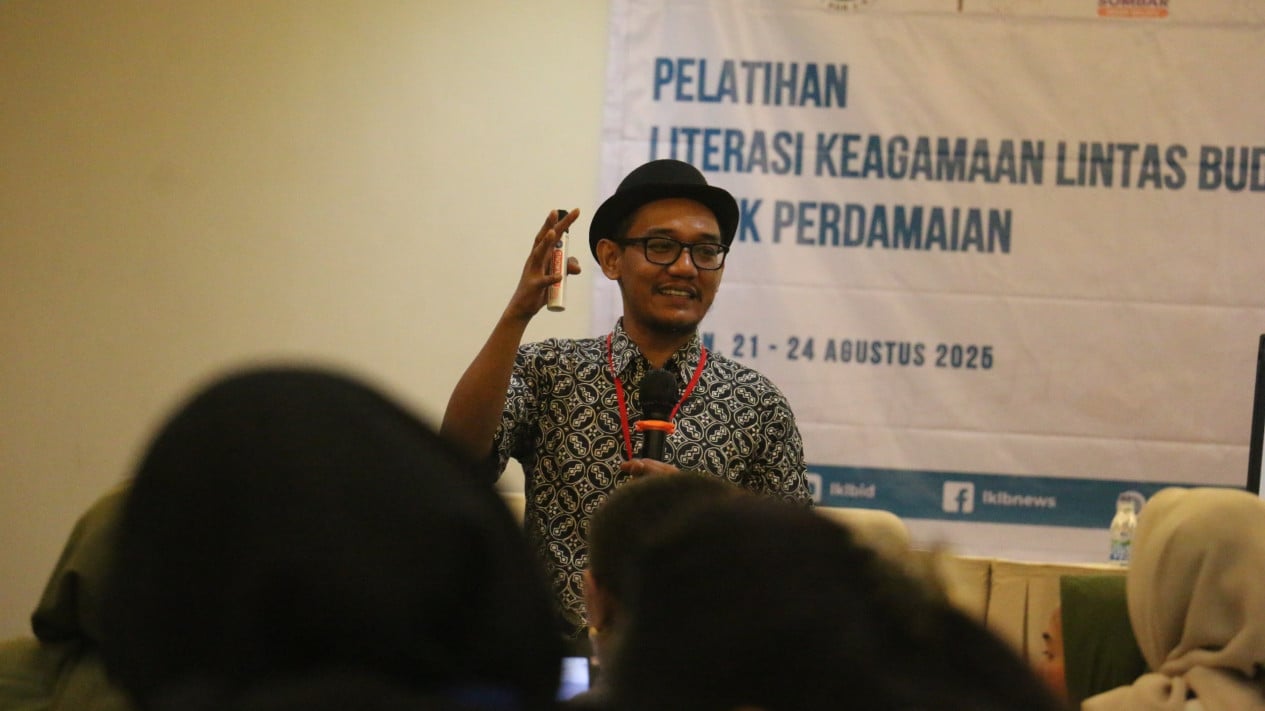
The Draft Law on Human Rights (RUU HAM) is assessed to not weaken the National Commission on Human Rights (Komnas HAM). On the contrary, the latest draft of the Human Rights Bill is directed towards strengthening the independence of Komnas HAM through institutional restructuring and a clearer separation between administrative and substantive functions.
Muhammad Hafiz, an expert from the Ministry of Human Rights, stated that a significant strengthening in the draft bill is the creation of space for independent experts to support the execution of Komnas HAM’s substantive functions, including research, monitoring, mediation, and dissemination of human rights information.
“Law Number 39 of 1999 contains no provisions regarding experts. In the new draft, the role of experts is strengthened at the legislative level,” Hafiz told reporters in Jakarta on Wednesday, 3 June 2026.
According to Hafiz, the general secretariat essentially performs administrative service functions. Therefore, the substantive functions of Komnas HAM should ideally be carried out by independent elements possessing technical capacity in the field of human rights.
“The general secretariat is not part of Komnas HAM in terms of substantive function. The general secretariat is part of the government that provides administrative services,” Hafiz said.
He explained that the expert scheme in the draft Human Rights Bill differs from the recruitment of Civil Servant Candidates (CPNS). This model more closely resembles the pattern of experts or assistants in other independent state institutions, such as the Ombudsman and the LPSK (Witness and Victim Protection Agency).
“It is different. It is like an assistant in the Ombudsman or an expert in the LPSK,” said the Executive Director of the Human Rights Working Group (HRWG).
Under this scheme, Komnas HAM can provide wider opportunities for activists, academics, human rights defenders, and professionals to be directly involved in the institution’s substantive work.
Hafiz added that civil servants currently working within the Komnas HAM environment will still have options. If they wish to participate in substantive functions independently, they can do so through the expert mechanism. However, if they maintain their status as civil servants (ASN), their role will remain within the administrative functions of the general secretariat.
As stipulated in the Functional Position of Human Rights Dispute Mediation Arranger under the Regulation of the Minister of PAN and RB Number 12 of 2021, duties include providing information and consultation on public complaints, case identification and review, case handling analysis, preparation of recommendations, preparation and execution of mediation, formulation of peace agreements, and case analysis as material for preparing Komnas HAM’s final conclusions in handling a matter.