
Human Rights Bill Aims to Strengthen Protection of Citizens' Fundamental Rights
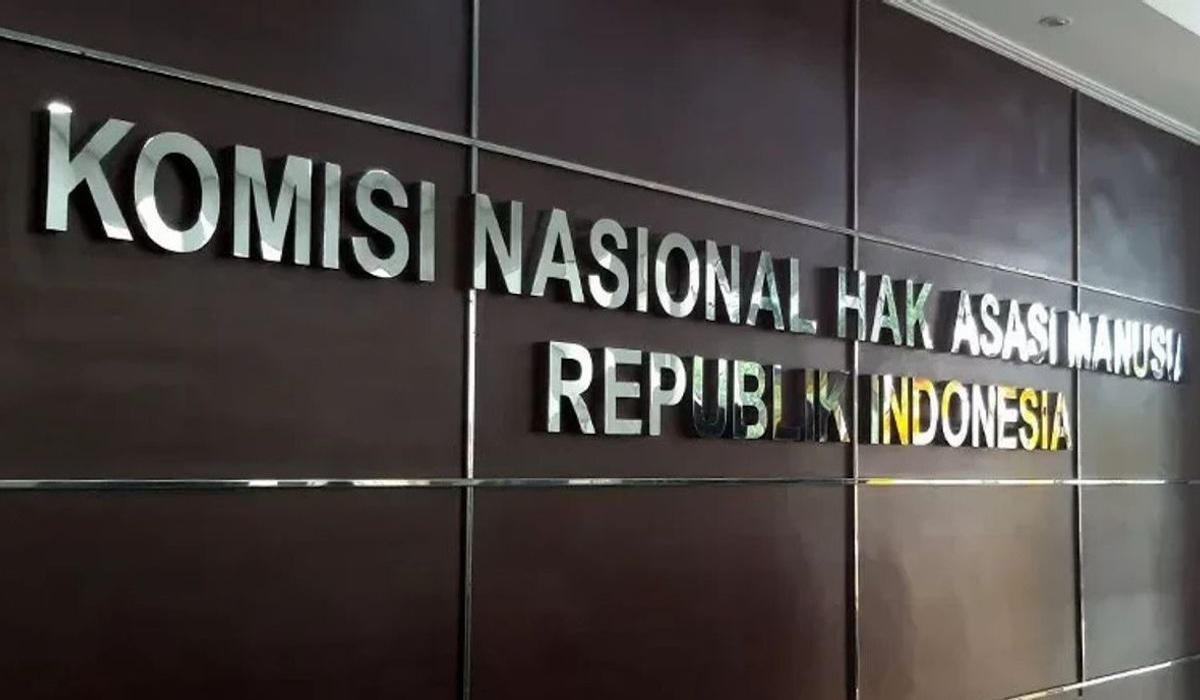
The revision of the Human Rights Law (RUU HAM) should not be interpreted as a move to reduce the role of one institution in order to expand the authority of another. Instead, the draft legislation is part of the state’s effort to strengthen the national human rights protection system. ‘98 activist Jan Prince Permata considers strengthening the National Human Rights Institution (LNHAM) to be crucial so that its functions of supervision, monitoring, research, providing recommendations, and human rights protection can continue to be carried out independently and free from intervention. He explained that the supervisory function over human rights implementation should ideally be conducted by an institution outside the government structure to maintain its independence and objectivity. “The Human Rights Bill needs to be seen as an effort to strengthen the national human rights protection system. The human rights oversight function must remain with an independent institution, because that is where state accountability in carrying out human rights obligations can be tested,” said Jan Prince on Friday (5/6). One of the founders of the IPB Student Movement (GEMA) explained that the government retains primary responsibility for implementing P5HAM, which encompasses respect, protection, advancement, enforcement, and fulfilment of human rights. However, he believes the implementation of this responsibility needs to be supported by a robust oversight system so it does not become merely an administrative procedure. “The government carries out the P5HAM obligations, while the LNHAM ensures these obligations run optimally, are measurable, and can be accounted for to the public,” said the Secretary to the Member of the Presidential Advisory Council for the 2019-2024 period. Therefore, Jan views strengthening human resource capacity within the LNHAM, including through the presence of expert staff, as an important step to enhance institutional capability. He affirmed that the presence of expert staff is not a form of government interference in an independent institution. On the contrary, expert staff serve as professional support to strengthen the execution of LNHAM’s technical tasks. “Expert staff are needed so that LNHAM can work more effectively, based on expertise, and be responsive to the increasingly complex developments in human rights issues,” he said. He also assessed that revising the Human Rights Law could be an opportunity to clarify the division of tasks between the government and independent institutions within the human rights protection system. According to Jan, the government has a role in carrying out executive mandates related to human rights fulfilment. Meanwhile, the LNHAM is tasked with oversight and protection to ensure citizens’ rights are genuinely realised. With this framework, he believes the assumption that the Human Rights Bill will weaken Komnas HAM or LNHAM lacks a strong foundation. For him, the main focus should be on institutional strengthening, enhancing professionalism, and safeguarding LNHAM’s independence as part of the state’s political commitment to building a better human rights protection system. “If oversight is strengthened, then the government’s work on P5HAM will also become more accountable. The ultimate goal is to ensure the public is protected and the human rights of citizens are fulfilled,” he said. Furthermore, the senior journalist encouraged the deliberation process of the Human Rights Bill to be conducted transparently and involve various relevant parties, from civil society elements and academics to organisations working in the field of human rights. According to him, public participation is essential to ensure that amendments to the Human Rights Law remain oriented towards strengthening the institution’s independence, not reducing its capacity. “The Human Rights Bill must be directed towards strengthening the protection of citizens. Therefore, LNHAM must be strengthened as an independent, professional, and accountable institution,” concluded Jan. The Human Rights Bill is scheduled to soon enter the deliberation stage in parliament. Furthermore, the bill has been designated as one of the priority national legislation programmes (Prolegnas) for the DPR in 2026. (Z-10)
Source: jawawa.id (https://jawawa.id/newsitem/human-rights-bill-aims-to-strengthen-protection-of-citizens-fundamental-rights-1780674667)
Originally published by Media Indonesia (https://mediaindonesia.com/politik-dan-hukum/897529/ruu-ham-hadir-untuk-pastikan-hak-dasar-warga-negara-terlindungi), translated from Indonesian