
Huawei reportedly testing LOFIC technology for telephoto lenses
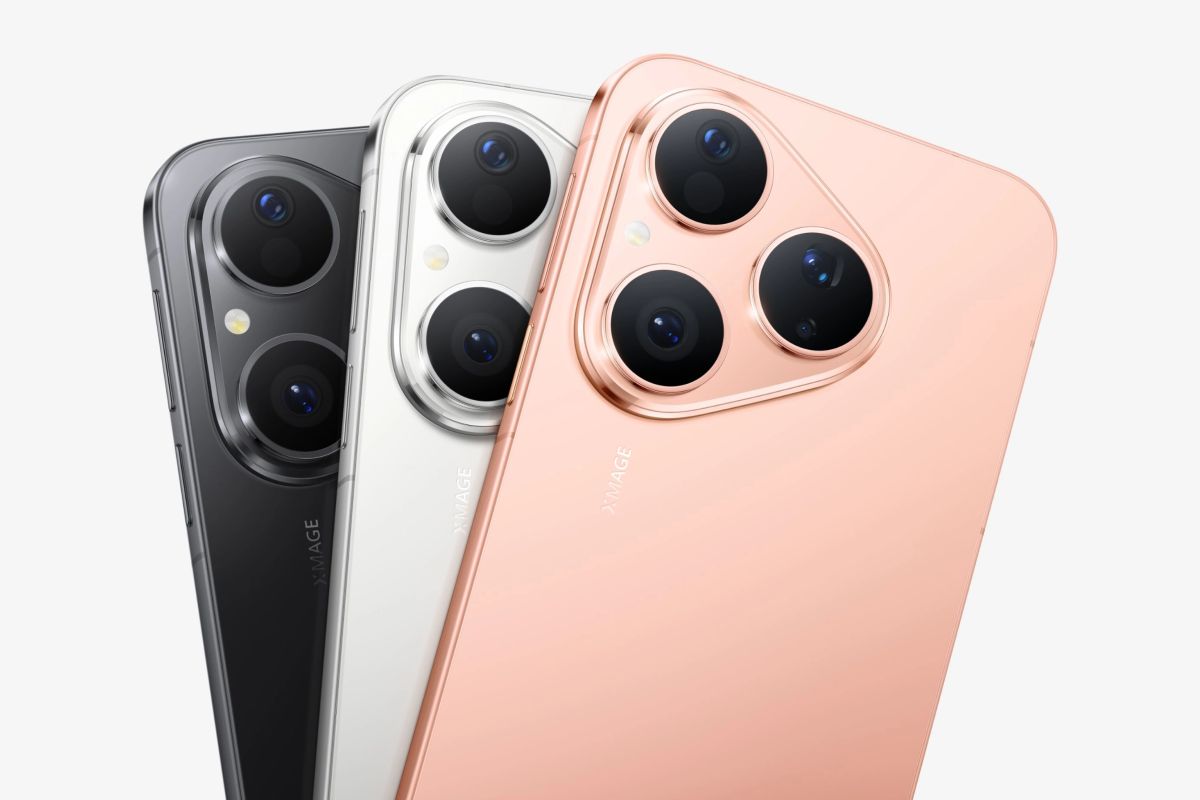
Jakarta - Huawei is reportedly testing Lateral Overflow Integration Capacitor (LOFIC) technology for telephoto lenses in an effort to improve the quality of photos taken from a distance and in difficult lighting conditions. A Gizmochina publication on Sunday (29/3) quoted information from informant Smart Pikachu, stating that two major Chinese smartphone brands are testing the use of LOFIC technology for telephoto lenses. Lateral Overflow Integration Capacitor (LOFIC) is a sensor design that helps cameras manage light more effectively. Instead of allowing excess light to flood the sensor, the sensor temporarily stores that excess light and uses it in a controlled manner. This process helps maintain detail in bright areas of the image. LOFIC technology can enhance image quality captured in both bright and dim lighting conditions. When shooting in dark conditions, the sensor shifts its focus to capture even very small amounts of light more efficiently. This helps produce clearer images with less noise, especially when zooming in using telephoto lenses. Although no confirmed product name has been announced regarding the LOFIC technology testing, hints in Smart Pikachu’s post point to the Huawei Pura 90 lineup. Support for LOFIC technology on the Huawei Pura 90 Pro’s telephoto lens will enhance the quality of photos taken from a distance using that smartphone, especially in difficult lighting conditions. In addition to leaks about photography support, some information on the specifications of the Huawei Pura 90 series has already emerged. Other expected details for the Pura 90 series include a 6.58-inch display on the standard model and a flat 6.87-inch display on the top-tier version. The standard model may use the Kirin 9020 chip, while the Pro version could use the Kirin 9030, and the Ultra model is estimated to use the Kirin 9030 Pro. Based on its product launch pattern, Huawei is likely to release the Pura 90 series smartphones in the first half of 2026.