
Huawei boasts ability to create advanced chips despite US sanctions
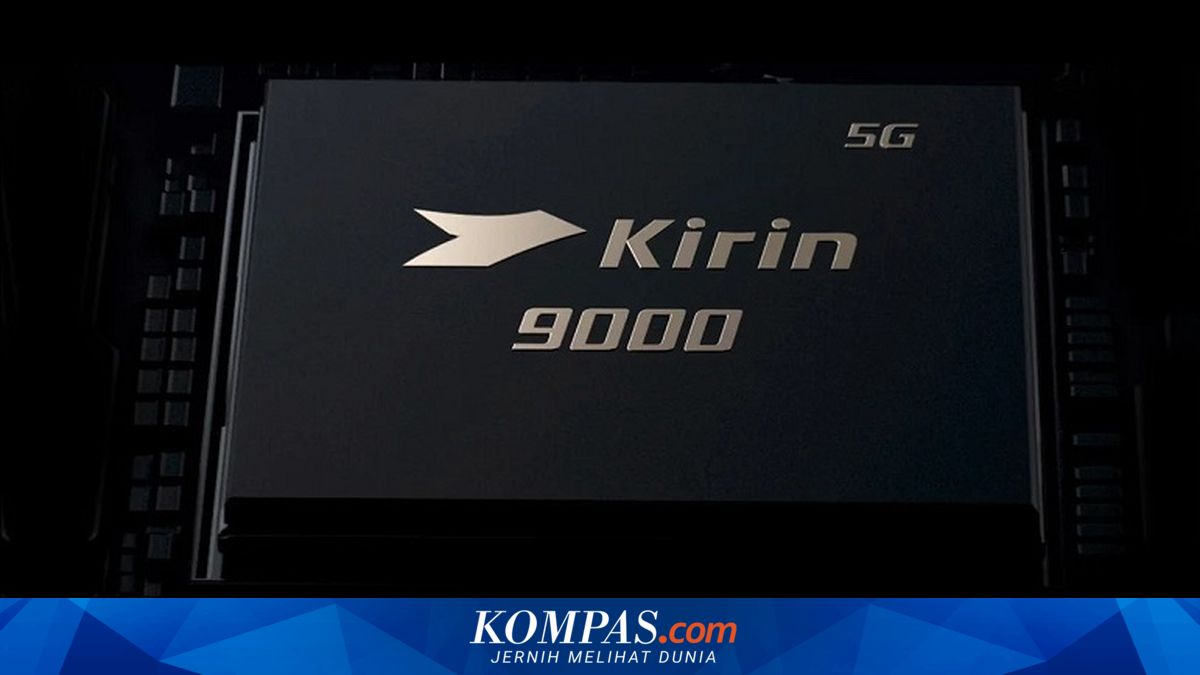
Since 2019, the United States (US) has placed Huawei on its entity list, citing national security concerns. Following this designation, Huawei is prohibited from using American technology to develop its products, while US companies are also banned from using Huawei-made components. Despite seven years of sanctions, Huawei has not been idle. The Chinese company has been working to overcome these restrictions. Now, Huawei is increasingly confident, claiming it can design advanced chip technology. It also states it will manufacture chips using a 1.4 nanometer (nm) fabrication process by 2031. In its presentations, Huawei outlined several breakthroughs developed over the past six years. These include new semiconductor design approaches to overcome current industry limitations. One innovation is the ‘Tau (τ) Scaling Law’ concept, positioned as the successor to Moore’s Law. However, Huawei notes that this approach is now facing physical and economic barriers as transistor sizes shrink. As an alternative, the Tau Scaling Law focuses on time-based scaling rather than purely geometric shrinkage. The Chinese firm claims to have mass-produced 381 types of chips based on Tau Scaling Law for various industries. This principle has also led to the development of a new architecture called LogicFolding, designed to reduce signal propagation time in chips while increasing transistor density. The approach is claimed to be applicable not only to semiconductor chips but also to circuit systems and other processors. LogicFolding will be adopted in the next-generation Kirin chips, scheduled for release in China’s autumn 2026 (September-November). These chips are said to offer significant performance improvements over previous generations.