
HP Prices Soar Amid AI-Driven Chip Shortage, Traders Reveal Best Time to Buy
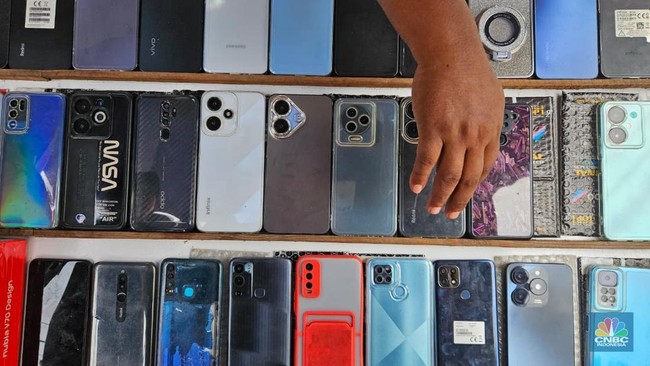
A global memory chip shortage, sparked by the AI boom, has caused consumer electronics prices to surge sharply since late 2025. Smartphone and laptop manufacturers, including those in Indonesia, have already begun adjusting their prices.
The phenomenon of memory chip scarcity is expected to be prolonged. The head of SK Hynix, a South Korean DRAM chip manufacturer, predicts the shortage could last until 2030.
A similarly pessimistic outlook was shared by Carl Pei, CEO of UK-based phone maker Nothing. In a social media post last week, Pei said the best time to buy a new phone was ‘yesterday’, referring to the period before component prices skyrocketed.
‘If you are waiting for the right time to buy a new phone, the best time was yesterday,’ Pei said. ‘The next best time is now. This year’s discount periods will not be as generous as before.’
As first reported by Android Authority, Pei stated that the trend of smartphone components becoming cheaper each year has ended. This is because the AI explosion has caused chip demand to soar, leading manufacturers to deprioritise conventional chip production for consumer electronics.
‘AI has fundamentally changed demand, [because] the memory used in smartphones is now critical for AI data centres. Hyperscaler companies are securing silicon wafer capacity years in advance to fuel the AI boom,’ he explained.
Pei estimates that phone makers are forced to adjust by raising retail prices by 30% or more in some cases, or by lowering device specifications. This will most severely impact entry-level and mid-range phone models, a segment he believes will ‘sink’ by more than 20%.
Nothing’s own product portfolio will also follow this trend. Pei said his company will raise selling prices across its range as it works to launch new models.
Gamers are also feeling the impact. Valve’s handheld console, the Steam Deck, recently sold out and returned with a significant price increase. The upcoming Steam Machine has also faced delays due to RAM shortages. Meanwhile, reports suggest the shortage could drive up the price of the Nintendo Switch 2 and delay the release of the PS6.
Market research firm TrendForce also predicts that consumers will pay 15% more for laptops and 10% more for smartphones throughout 2026.