
How Workers Can Register Additional Family Members as BPJS Health Dependants
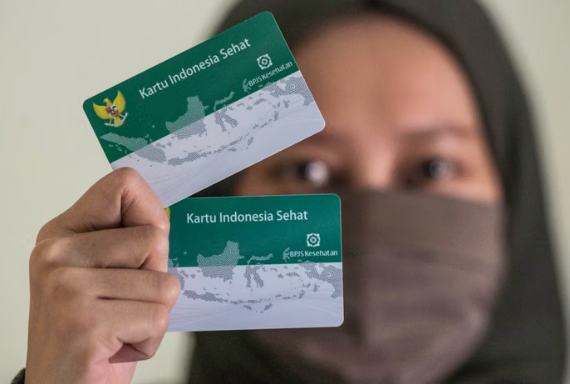
Having health insurance protection is a fundamental right of workers that every company or employer must fulfil. Through the National Health Insurance programme (JKN), the government ensures that workers and their immediate family members can access medical services free of charge and equitably.
But what if you want to register a fourth child, a parent, or a parent-in-law so that their contributions can be deducted directly from your monthly salary?
Rizzky Anugerah, Head of Public Relations at BPJS Kesehatan, explained that workers registered under the Salaried Worker (PPU) segment may add family members beyond the immediate family to their coverage.
Below is a complete guide on the contribution scheme, requirements, and registration procedure.
Under the regulations, the total JKN contribution for PPU workers is 5 per cent of monthly net income (take-home pay), with the following breakdown of the burden:
Salary cap: The maximum monthly income used as the basis for calculating contributions is Rp12 million. So if a worker earns Rp100 million per month, the 1 per cent contribution is still calculated from Rp12 million.
The standard 5 per cent contribution automatically covers five people listed on the Family Card (KK), namely:
If a worker has a fourth or fifth child, or wishes to include parents and parents-in-law, they are categorised as Additional Family Members. The following are the requirements:
To process this registration, workers must attach the following documents to the administration department at their workplace:
The registration process is not carried out independently by the worker at a BPJS Kesehatan office, but through the collective channel of the institution:
For information, as of the end of June 2026, out of a total of approximately 284.2 million JKN participants, 21.2 million were registered under the state PPU segment and 46.8 million under the private PPU segment.
Rizzky also reminded workers to ensure that their family’s JKN membership remains active at all times, as illness can strike unexpectedly. With relatively affordable contributions, the JKN programme offers extensive coverage. There are thousands of types of medical diagnoses covered by JKN as stipulated in Minister of Health Regulation Number 3 of 2023.
“It is not only expensive illnesses that are covered. BPJS Kesehatan even covers the cost of health care requiring long-term or even lifelong treatment, such as dialysis for kidney failure patients, thalassaemia and haemophilia sufferers, patients undergoing cancer treatment, insulin for diabetes patients, and so on,” he concluded.