
How to Safely Maintain Electric Vehicles to Ensure Battery Longevity
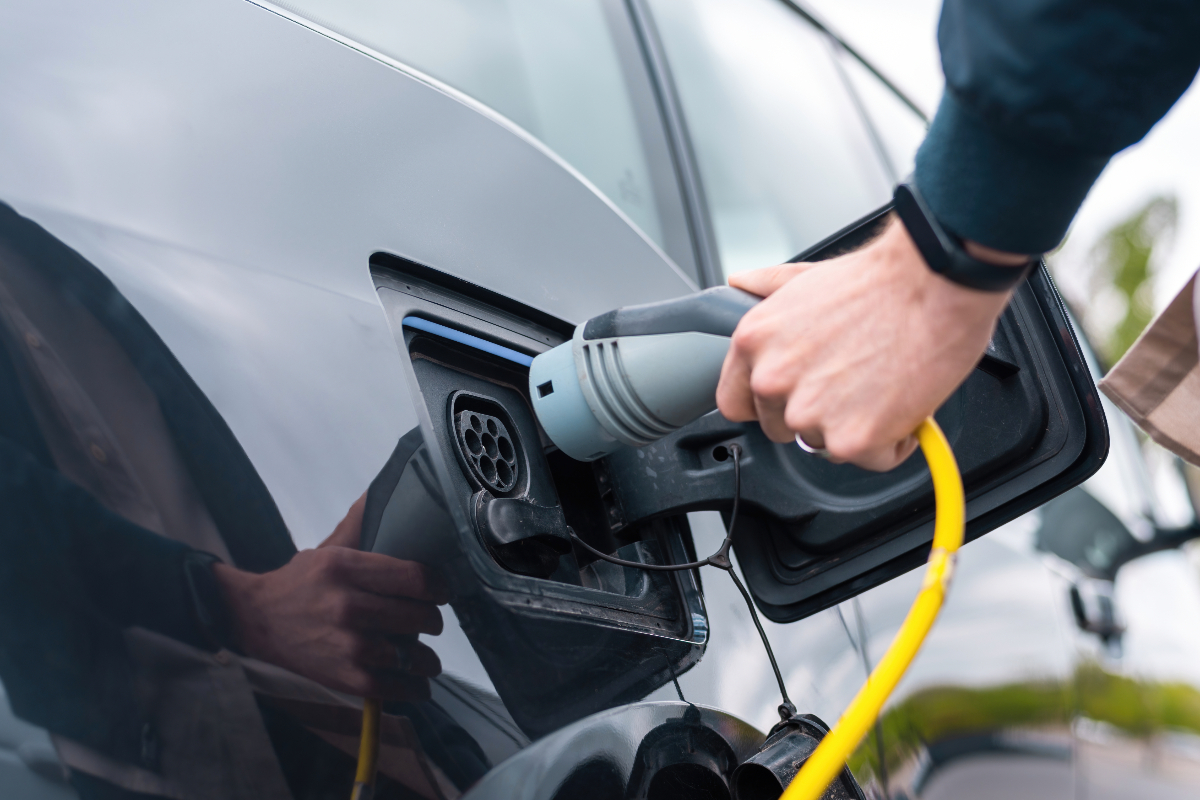
The trend for electric vehicles (EV) in Indonesia continues to rise alongside the government’s commitment to carbon neutrality. However, for new owners, the transition from internal combustion engine (ICE) vehicles to electric cars often raises significant questions: how to maintain them to ensure longevity, especially regarding the battery component, which is the most expensive part?
Unlike conventional cars that rely on engine oil and complex transmission systems, electric vehicles have far fewer moving parts. Nevertheless, the maintenance of batteries and electrical systems requires special attention. Here is a complete guide on how to safely maintain an electric car to ensure optimal performance and a longer battery lifespan.
The battery is the heart of an electric vehicle. Most EVs currently use Lithium-ion batteries, which have unique characteristics regarding charging.
Extreme temperatures, both too hot and too cold, significantly affect the health of electric car batteries. In a tropical climate like Indonesia, intense sunlight can present a particular challenge.
Whenever possible, park your electric vehicle in a shaded area or indoors. Prolonged exposure to direct sunlight while the car is stationary can cause the battery cooling system to work harder, which ultimately consumes power and affects the chemical stability within the battery cells.
Although they do not require engine oil changes, electric vehicles still have several types of fluids that must be checked periodically.
Electric vehicles are generally heavier than petrol cars due to the significant weight of the battery. This causes the tyres to work harder. Ensure that tyre pressure is always in accordance with the manufacturer’s recommendations. Low tyre pressure is not only a safety hazard but also increases rolling resistance, making battery consumption more inefficient.
Modern electric vehicles are often described as “computers on wheels.” Automotive manufacturers periodically release software updates to optimise the Battery Management System (BMS), electric motor efficiency, and safety features. Ensure you always perform routine servicing at authorised workshops to receive the latest system updates.
If an electric vehicle will not be used for a long period (for example, during long holidays or trips abroad), do not leave the battery at 100% or below 10%. Store the car with a battery capacity in the range of 40% to 60% to maintain cell stability.
Maintaining an electric vehicle is actually much simpler and cheaper compared to conventional cars. The key lies in discipline regarding battery health and monitoring the cooling system. By following these steps, you will not only extend the vehicle’s lifespan but also ensure the resale value of your electric car remains high in the future.
In general, global automotive manufacturers design electric vehicle batteries to have a lifespan equivalent to the vehicle itself.
As the most expensive component in an electric vehicle, understanding how long the battery can last and the factors affecting its performance is crucial.
As we enter 2026, supporting infrastructure for electric vehicles continues to develop, yet petrol cars maintain a loyal user base due to the ease of refueling.
The low annual tax for the Wuling Air EV is based on government regulations that support the acceleration of battery-based electric motor vehicles (KBLBB).