
How to Report Social Assistance That Is Not Properly Targeted Through Cek Bansos
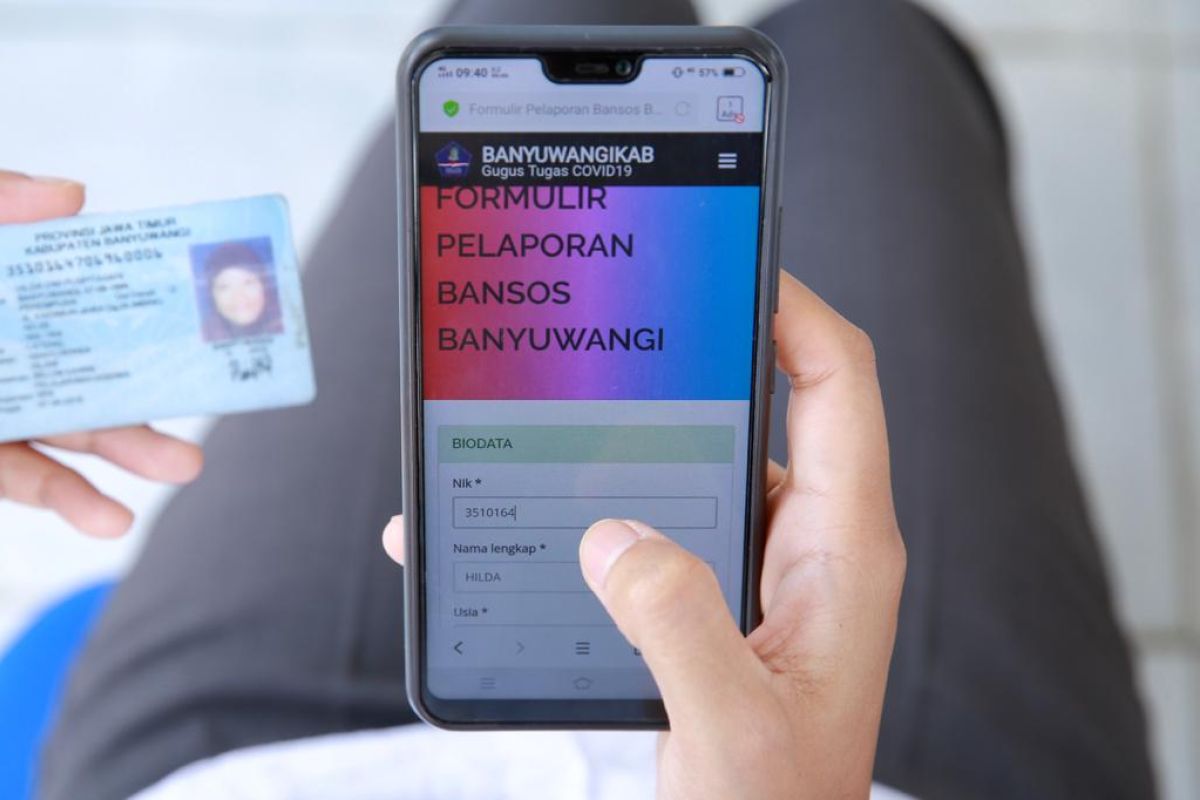
Jakarta (ANTARA) - Social assistance (bansos) is intended to help people in need who meet the criteria for each programme. However, recipient data may not always reflect their actual socio-economic circumstances. People who identify a possible discrepancy can report it through the Cek Bansos app operated by the Ministry of Social Affairs (Kemensos).
One of the app’s functions is Sanggah, which allows the public to comment on recipients they believe no longer meet the eligibility criteria. The feature forms part of efforts to involve the public in monitoring and updating social assistance recipient data.
People can also propose households that meet the criteria but have not been recorded as beneficiaries.
However, submitting a report does not automatically stop someone’s assistance or make the person submitting it a beneficiary. All information must first undergo examination and verification.
So, how can people report social assistance that is not properly targeted through Cek Bansos? Here is a guide.
What is the Sanggah feature in the Cek Bansos app?
Sanggah is a facility for collecting public feedback on the eligibility of social assistance recipients. Through the feature, users can submit information if they believe a recipient’s recorded details do not match their actual circumstances.
For example, a recipient household’s economic circumstances may have changed, information in the database may be inaccurate, or a household may be suspected of continuing to receive assistance despite no longer meeting the programme’s criteria.
The mechanism is also intended to help reduce two types of targeting errors: inclusion errors and exclusion errors. An inclusion error occurs when assistance goes to someone who does not meet the criteria, while an exclusion error occurs when an eligible person is not recorded as a recipient.
Public reports can therefore help authorities examine and improve the accuracy of the data. Eligibility, however, is assessed through official procedures, not on the basis of personal judgement alone.
Before submitting a report, people should make sure they are using the official Ministry of Social Affairs app. It is available on Google Play under the name Aplikasi Cek Bansos, with the Ministry of Social Affairs of the Republic of Indonesia listed as the developer.
The general steps for reporting through Sanggah are as follows:
Download the Cek Bansos app. Find the app published by the Ministry of Social Affairs of the Republic of Indonesia through an official app store.
Create an account or log in. New users must follow the app’s registration and identity-verification instructions. Existing users should log in with their registered account.
Open the Sanggahan menu. Once logged in, find the Sanggahan feature on the app’s home page.
Select the option to add a report. Use this function to begin reporting recipient data you believe is inaccurate.
Enter the recipient’s area. Fill in the requested information, from province and regency or city to district and village or urban ward.
Search for the recipient’s name. Check the search results carefully to avoid selecting the wrong person.
Select the recipient to be challenged. Once you have found the correct record, choose the option to submit a challenge.
Explain the reason clearly. Describe the circumstances behind the report using accurate, verifiable information.
Attach supporting evidence if requested. Provide relevant photographs or documents in accordance with the app’s requirements. Do not fabricate evidence or violate anyone’s privacy.
Submit the report. Review all the information, tick the declaration that the challenge is truthful and accurate, and submit it through the app.
The app’s layout and menu order may change with updates, so users should follow the instructions displayed in the latest version.
What information should be prepared before reporting?
To help authorities follow up, people should prepare clear and relevant information. This may include:
Recipient details: Information that helps ensure the person being reported is not confused with another recipient.
Address or area: The recipient’s location, as far as it is known.
Reason for the challenge: An explanation of how the household’s socio-economic circumstances differ from the recorded information.
Supporting evidence: Relevant photographs or documents, if available and requested by the system.
People should be cautious when judging whether a recipient is eligible for social assistance. A person’s home, vehicle, job or appearance is not necessarily enough to determine their level of welfare. Assessment must take account of a range of household socio-economic circumstances.
People should also avoid sharing a recipient’s identity, photographs or personal information on social media. Reports should be made through official channels so that the information can be checked without embarrassing or harming the person concerned.
If users have trouble with the app, they can use other complaint channels. According to information on reporting channels published in September 2026, complaints can be submitted through:
Kemensos Lapor WhatsApp: 0887-7171-171.
Kemensos Command Centre: 021-171.
Village or urban ward government: Provide information to local officials so it can be passed on through the data-update mechanism.
Social Affairs Office: Submit a report or request a data review under the relevant regional procedures.
Check the Ministry of Social Affairs’ official information to confirm complaint numbers and channels before sending documents or personal data.
What happens after a report is submitted?
Submitting a report does not immediately change a recipient’s assistance status. The information must be checked to establish whether it is accurate and reflects socio-economic conditions on the ground.
The review may involve regional governments, Social Affairs Offices and other authorities responsible for updating the data. Its findings may help improve recipient information in the National Single Socio-Economic Data system (DTSEN).
People should also understand that welfare data is dynamic. Changes in employment, income, housing conditions, household size and asset ownership can affect an assessment of welfare.
Reports should therefore be based on actual circumstances and not made simply because of a disagreement or personal dispute.
In addition to using the app, people can check recipient data on the Ministry of Social Affairs’ official Cek Bansos website.
The steps are as follows:
Open the Ministry of Social Affairs’ Cek Bansos website.
Enter the 16-digit Population Identification Number (NIK) shown on the identity card.
Type the verification code displayed on the page.
Click the data search button.
Review the search results and the recipient status shown.
The website uses DTSEN as its data source. It also displays a decile to indicate a household’s welfare group based on a range of socio-economic variables. Decile 1 represents the lowest-welfare 10 per cent, while decile 10 represents the highest-welfare 10 per cent.
According to information on the website, households in deciles 1 to 4 may be proposed for the Family Hope Programme (PKH) and staple food assistance. However, a household’s decile does not guarantee that it will receive assistance: recipient selection remains subject to programme rules and the results of data updates.
Suspected misdirected social assistance can be reported through the Sanggah feature in the Cek Bansos app. People should locate the recipient’s record, explain their reasons clearly and provide supporting evidence if requested.
Reports can also be made through Kemensos complaint channels, village or urban ward authorities, and Social Affairs Offices. Above all, the information provided must be accurate and not based on prejudice.
Public participation can help improve the targeting of social assistance. Decisions on recipient eligibility, however, must still go through verification and data updates by the relevant authorities.
Source: jawawa.id (https://jawawa.id/newsitem/how-to-report-social-assistance-that-is-not-properly-targeted-through-cek-bansos-1794045134)
Originally published by Antara (Indonesian) (https://www.antaranews.com/berita/5838499/cara-melaporkan-bansos-tidak-tepat-sasaran-lewat-cek-bansos), translated from Indonesian