
How to Register as a Waste Bank Customer in Jakarta: Check the Steps!
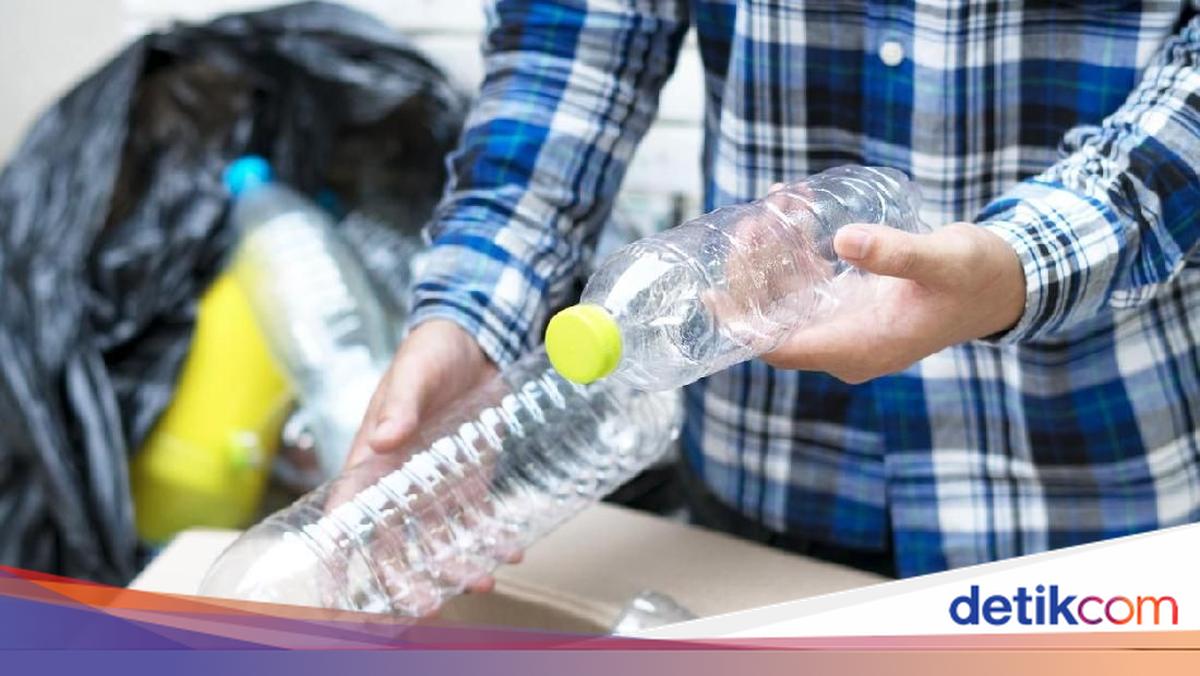
The e-Waste Bank Jakarta service is provided by the DKI Jakarta Provincial Government to facilitate more organised and measurable waste management. Through this system, residents can register, monitor waste transactions, and find the nearest waste bank location online.
What is a Waste Bank Customer?
A waste bank customer is a community member registered in the waste bank system to deposit sorted waste according to specific categories. The deposited waste will be weighed and converted into rupiah value based on the type and weight of the waste.
This programme is part of efforts to reduce waste based on the 3R principles, namely reduce, reuse, and recycle. In addition to helping with environmental management, waste banks also encourage the public to actively sort waste from home.
Registration Steps for Customers
Jakarta residents who wish to participate in waste management through e-Waste Bank Jakarta can become customers by following these steps:
Register via e-Waste Bank Jakarta
Website address: banksampah.jakarta.go.id
Complete profile information or personal data
Select the desired waste bank
Once registration is approved by the waste bank, customers can:
Monitor transactions and view transaction reports
Check active or inactive membership status
Waste Bank Operating Mechanism
Here is the general operating mechanism of waste banks:
Collection and Sorting of Waste
The community first sorts waste at home based on its type. Waste is divided into three main categories: dry waste, wet waste, and electronic waste.
Dry waste includes plastic, paper, metal, and glass that can be recycled. Meanwhile, wet waste consists of food scraps or organic materials that can be processed into compost. Electronic waste includes cables and used electronic items that require special handling.
The types of waste generally accepted by waste banks are dry waste such as plastic, paper, metal, and glass. Such waste can be deposited after reaching a minimum weight of about 1 kilogram.
Deposit and Recycling
After the waste is collected, residents can deposit it at the waste bank according to each location’s operating hours. The waste is then weighed and recorded in the customer’s savings book.
The waste value will be converted into rupiah based on its type and weight. The balance can then be withdrawn by customers according to the applicable provisions at each waste bank.
At the waste bank location, the waste will be sorted again in more detail before being sold to large collectors or recycling industries. From this process, waste that was previously unused can gain economic value.
Types of Savings at Waste Banks
Waste banks also provide various types of savings for customers. Here are some of them:
- Regular Savings
Personal savings that can be used for withdrawals or storing the results of waste transactions.
- Environmental Savings
Savings utilised for environmental management needs, such as procuring waste carts, composters, or recycling machines.
- Education Savings
Savings that can be withdrawn for educational needs, including at the start of a new school year.
- Staple Goods Savings
Savings with a system for exchanging waste results for staple goods needs.
- Eid Savings
Savings that can be withdrawn ahead of Eid al-Fitr.
- Charity Savings
Savings channelled for social activities, such as educational assistance or aid. Customers still receive reports on fund distribution as a form of transparency.
The e-Waste Bank Jakarta programme is expected to increase public participation in waste management from the source. In addition to helping maintain environmental cleanliness, this programme also provides economic benefits through a recycling-based waste savings system.