
How to Manage Waste Using the 3Rs: Reduce, Reuse, Recycle
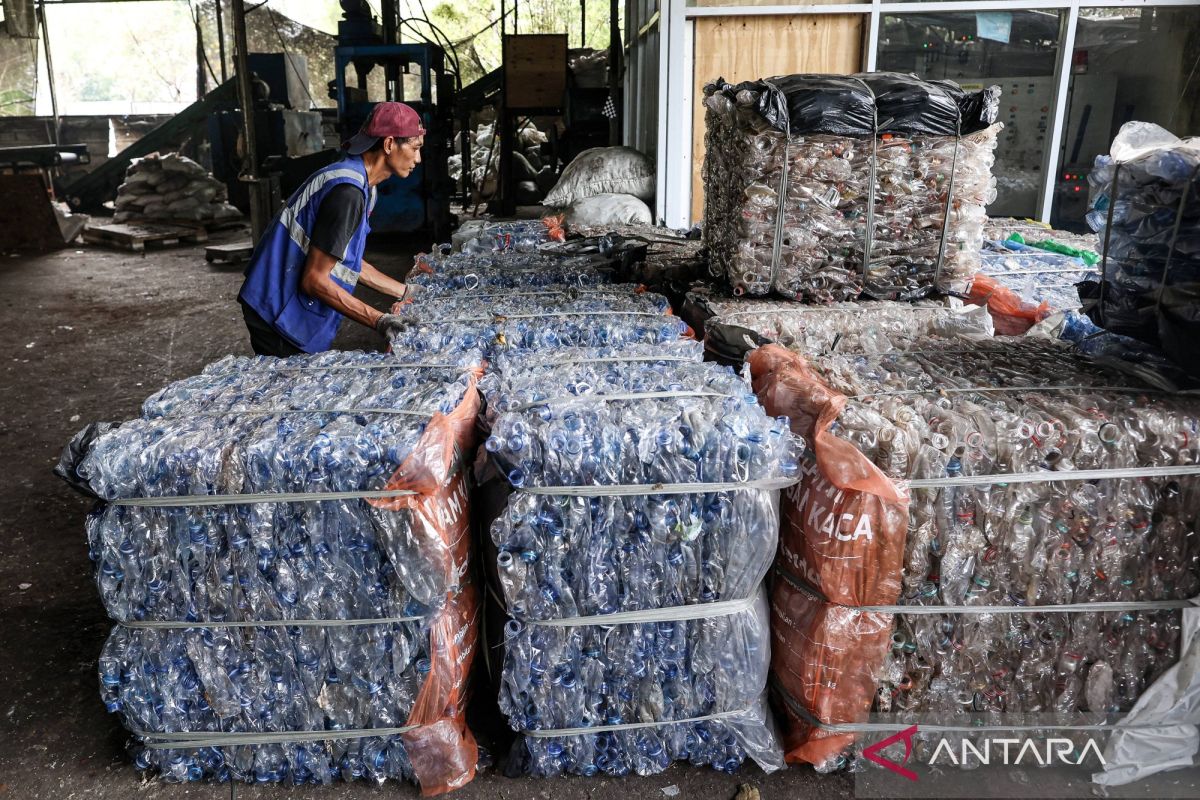
Jakarta (ANTARA) - Indonesia is categorised as one of the low-waste-producing polluters and is among the 12 countries contributing significantly to global waste, with plastic waste being particularly poorly managed.
Based on data from the official Plastic Overshoot Day (EA-Earth Action) website, total plastic waste is estimated to reach 2rag27 million tonnes by 2026 (with the global plastic overshoot day expected to fall on 6 September 2026).
One way to reduce waste is through recycling. This process involves transforming unused waste into new, reusable items. The process consists of several stages: collecting waste, sorting it by type, and then converting it into new products from processed materials.
By employing recycling techniques, we can reduce the amount of waste ending up in landfills, preserve natural resources, and prevent environmental pollution. However, many people are still unaware of how to manage waste wisely; here is a more detailed guide on how to process it:
Reduce: This involves decreasing waste production by limiting the use of single-use items, such as purchasing products with minimal packaging, using energy more efficiently, and avoiding the wasteful use of resources.
Reuse: This involves using items that are still functional. For example, refilling water bottles or using non-plastic shopping bags when grocery shopping.
Recycle: This process transforms used items into something of value. It involves several stages, including collecting, sorting, and generating ideas to create new items from waste. For instance, collecting plastic packaging or old newspapers to be turned into bags, plastic wallets, and other new products. Through recycling, we can help the Earth reduce negative environmental impacts.
The 3R process is simple. However, even these small actions can have a significant impact on the waste problems around us. Therefore, let us strive for a healthy planet through our small steps to protect the Earth for our children and grandchildren in the future.