
How to manage feeding to meet a child's nutritional needs
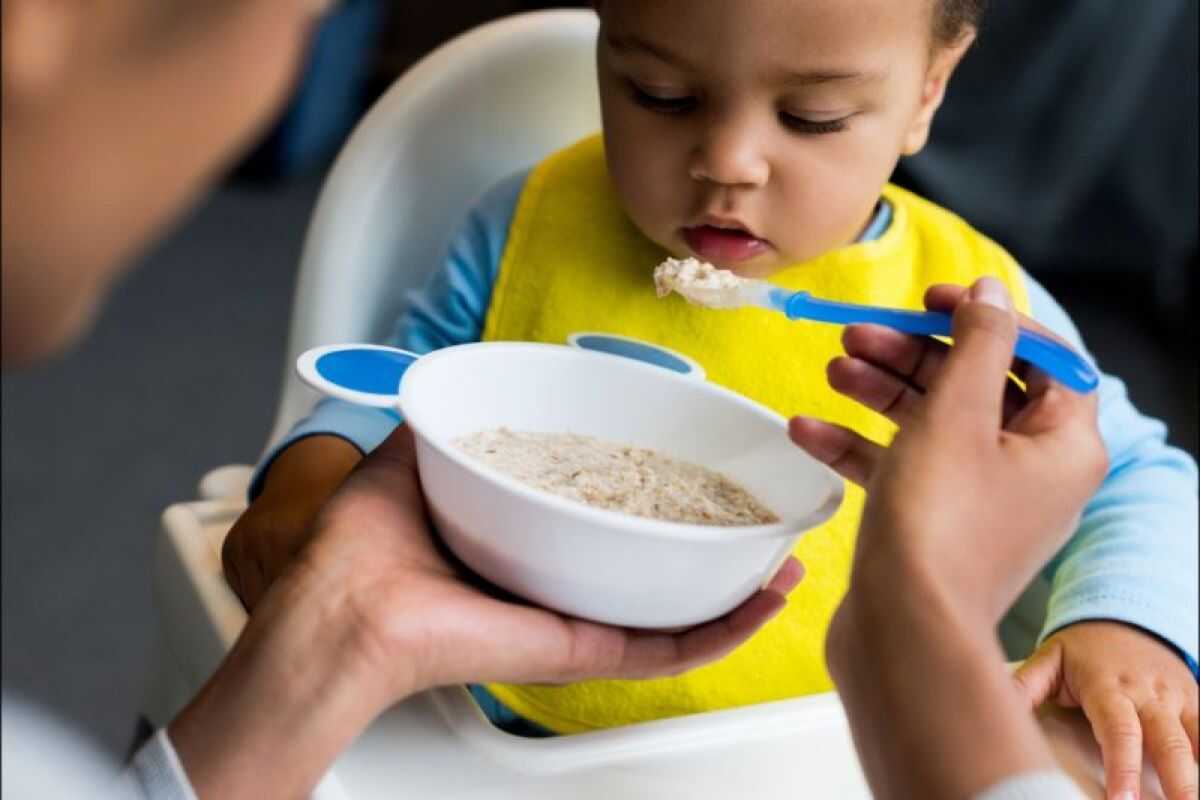
Jakarta (ANTARA) - Dr. Ian Suryadi Suteja, M.Med Sc, Sp.A, a pediatric specialist, emphasised the importance for parents to understand how to provide appropriate foods to meet children’s nutritional needs. In a health discussion event in Jakarta on Friday, the doctor who graduated from Gadjah Mada University said that the rules of feeding children include schedules, procedures, and the environment.
‘It’s important that as parents we must know how to feed—meaning the right timing, the correct method of feeding, and the composition must also be right. So there are three stages,’ he said.
The World Health Organization is encouraging the adoption of responsive feeding methods, i.e., feeding that takes into account the child’s response or needs.
Parents need to understand hunger and fullness signals in children in order to feed according to their needs.
‘So just watch if the child is hungry, feed them,’ Dr. Ian said.
‘Remember (ages) 0 to 3 months, drink milk as the baby desires; 4 to 6 months should start to have a schedule, and it continues above that,’ he added.
He said that portions should be adjusted to the child’s needs based on age.
He gave an example: a nine-month-old child typically can only consume about 30 milliliters in one sitting.
The composition of the child’s foods must also be considered. Children need carbohydrate sources; animal protein sources such as meat, milk, and eggs; as well as vegetables and fruits.
‘Animal protein is important to address stunting, because its amino acids are complete, the nutritional value is high, it contains iron which is better, the nutrients required are more significant than plant protein,’ Dr. Ian explained.
He added that parents should schedule main meals and snacks. Main meals are recommended three times a day and snacks can be given two to three times a day.
According to Dr. Ian, meal times should ideally not exceed 30 minutes. Plain water is recommended between meals.
Dr. Ian also spoke about the need to create a pleasant atmosphere and environment during mealtimes so that children can eat without coercion.
In addition, he suggested parents monitor changes in their child’s eating patterns and compare their growth with children of similar age in order to detect and address nutritional issues early.