
How to Make Eco-Enzyme
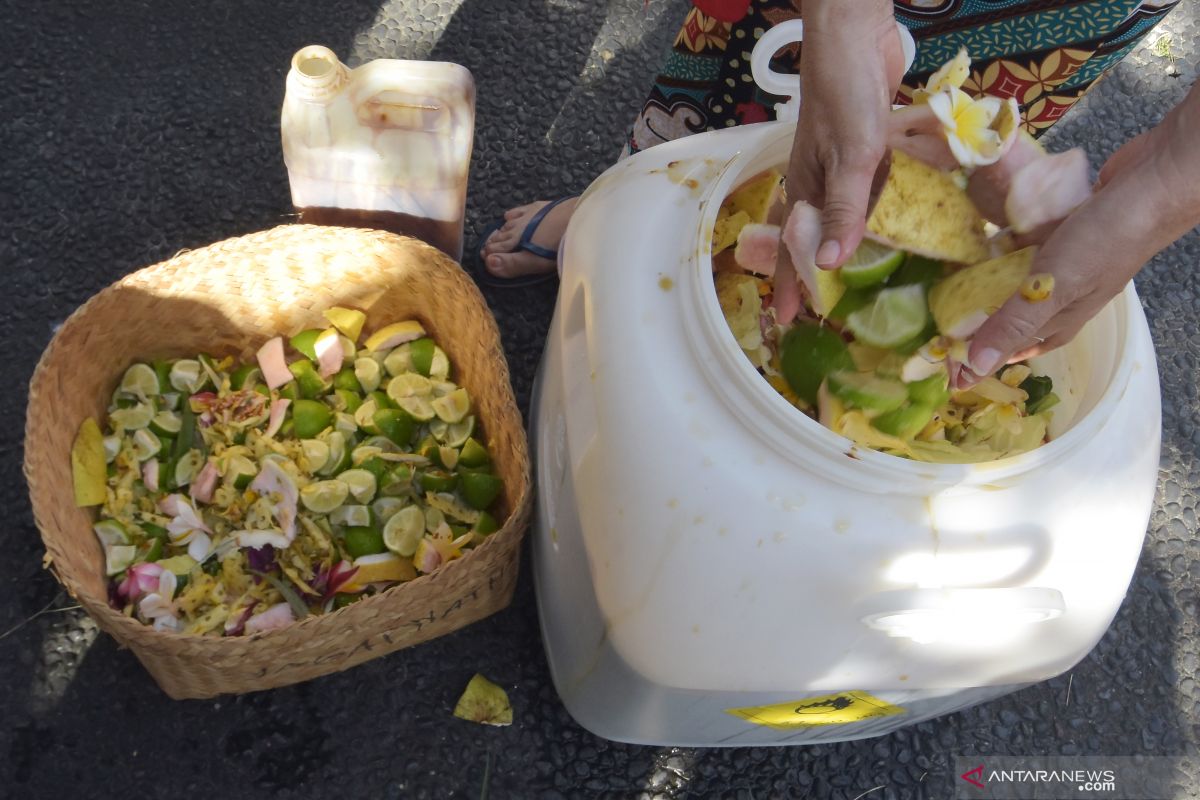
Jakarta (ANTARA) – Making eco-enzyme at home is practical and inexpensive. By reusing organic kitchen waste, you can produce a natural cleaning liquid with numerous benefits while reducing the amount of waste sent into the environment.
The many benefits of eco-enzyme are why this environmentally friendly liquid is widely recommended as a way to help keep the planet healthy.
How do you make eco-enzyme?
According to the Ministry of Environment and other sources, successful eco-enzyme fermentation depends on the basic ratio of 1:3:10:
1 part sugar: use brown sugar, palm sugar, molasses or lontar palm sugar (avoid white granulated sugar).
3 parts organic waste: fresh fruit peels and vegetable pieces, such as orange, pineapple, apple or papaya skins. Make sure the ingredients are uncooked, not oily and not rotten.
10 parts water: use ground water, well water, rainwater or water collected from air-conditioning condensation.
For example: 100 grams of brown sugar + 300 grams of fruit-peel scraps + 1,000 millilitres (1 litre) of water.
- Prepare a wide-mouthed container
Use a plastic container, such as a jar or water dispenser bottle, with a tightly fitting lid. Avoid glass or metal containers, as pressure from fermentation gases could break the glass or damage the metal.
- Dissolve the sugar
Pour the water into the plastic container, then add brown sugar that has been thinly sliced or crushed. Stir until the sugar has dissolved completely.
- Add the organic waste
Wash dirt off the fruit peels and vegetable pieces, cut them into small pieces, then add them to the sugar solution. Make sure all the organic matter is submerged, and leave about 20 per cent of the container empty at the top to accommodate fermentation gas.
- Seal and store
Close the container tightly. Store it in a shaded place with good ventilation, away from direct sunlight.
During the first month, briefly loosen the lid for a few seconds each day in the early weeks to release accumulated carbon dioxide (CO₂), then seal it tightly again.
In the second and third months, gas production begins to decline, so the container only needs occasional checks and does not need to be opened frequently.
After 90 days (three months), the eco-enzyme is ready to harvest. A successful batch will be clear brown and have a fresh, sour aroma characteristic of fermented fruit. Strain the liquid through fine cloth or a fine-mesh sieve, then store it in a plastic bottle. The remaining fermentation pulp can be reused as solid compost or as a starter for the next batch.
Source: jawawa.id (https://jawawa.id/newsitem/how-to-make-eco-enzyme-1791939131)
Originally published by Antara (Indonesian) (https://www.antaranews.com/berita/5784793/cara-membuat-eco-enzyme), translated from Indonesian