
How to Get Sewer Smells Out of Your Home
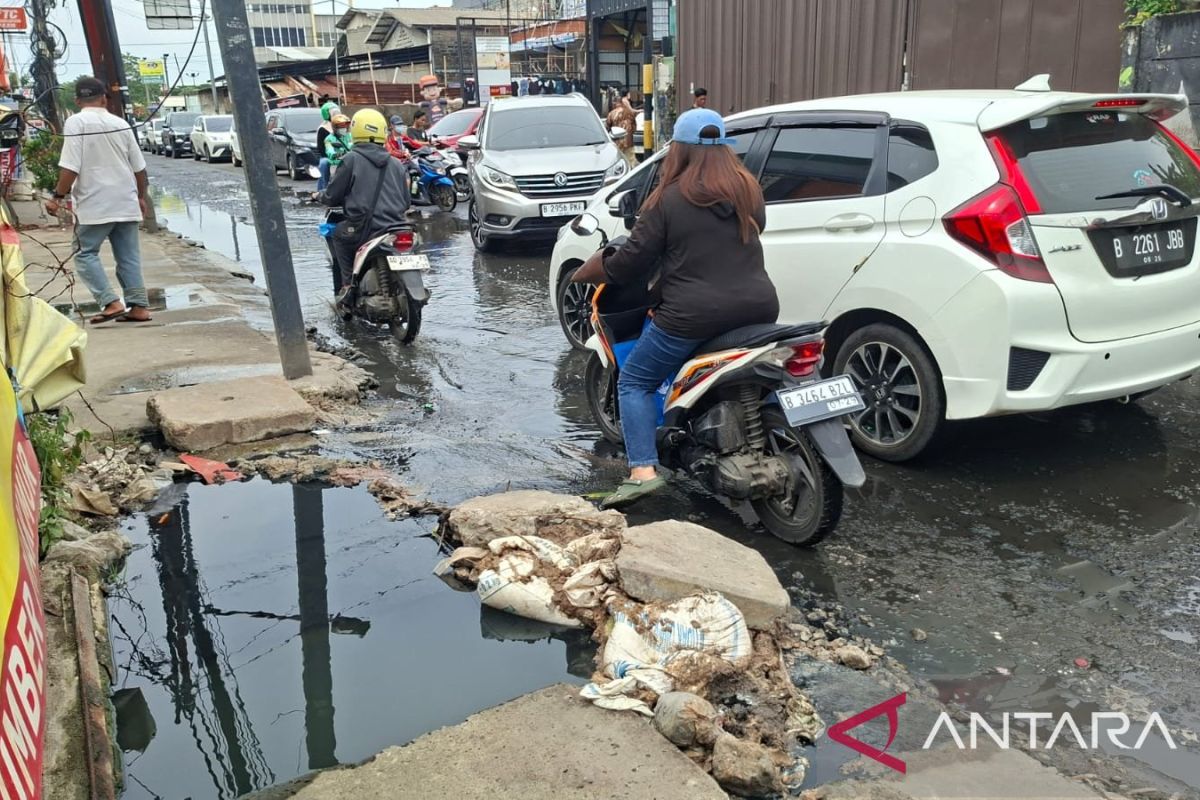
Jakarta (ANTARA) – Sewer smells entering a home can make it uncomfortable for residents, particularly when the odour resembles rotten eggs and comes from a bathroom, kitchen or drain. As well as being unpleasant, the smell may signal a problem with the home’s plumbing system.
A common cause is a dried-out water trap, or P-trap. This curved section of a drain holds water to prevent gases from the sewage system from entering the home. When the water evaporates, gases can enter through the drain opening.
Sewer odours can also come from blocked drains, leaking pipe joints or problems with the plumbing vent. Simply spraying air freshener is not enough: the source of the problem needs to be identified first.
Why sewer smells enter the home
Before taking action, it is important to understand some of the causes that can allow sewer odours to spread indoors.
- A drain trap has dried out
Drains usually have a trap that holds water to stop sewage gases entering the room. If a drain is rarely used, the water can evaporate, leaving a path for sewer smells to enter.
- A drain is blocked
Food scraps, hair, grease, soap and other debris can build up and cause a blockage. Accumulated organic matter can also produce unpleasant smells.
- A pipe is leaking
Cracks or loose pipe joints can allow gases to escape from the sewage system before reaching the main drain.
- The plumbing vent is blocked
The vent system regulates air pressure in the pipes and directs gases out of the building. If it is blocked by debris or foreign objects, gas can flow back into the home through drains.
- The toilet seal is damaged or not fitted properly
The seal between the toilet and the waste pipe prevents water and gas from leaking. If it is damaged or incorrectly installed, sewer odours can escape around the base of the toilet.
Drain gases may contain hydrogen sulphide, ammonia, methane and other gases. Their composition depends on the source of the waste and the condition of the drainage system.
After identifying the possible causes, here are some ways to reduce sewer smells and help prevent them from returning.
- Pour water into rarely used drains
If the smell comes from a bathroom or floor drain that is rarely used, try pouring some water into the drain opening.
This refills a dried-out water trap, making it harder for gases from the sewage system to enter the home.
Check drains in spare bathrooms, laundry rooms and areas at the back of the house. They are often overlooked because they are used infrequently.
- Clean drain grates and openings
Debris accumulated on a drain grate can be a source of unpleasant smells. Hair, soap residue, grease and other dirt can rot if left for too long.
If possible, remove the drain cover and clear visible debris using gloves or a dedicated brush. Then clean the surface and rinse it with water.
Clean drains regularly to prevent debris from building up and obstructing the flow of water.
- Clean bathroom and kitchen drains
Organic matter can accumulate in bathroom and kitchen drains and cause unpleasant odours.
Clean accessible areas with a drain brush. For sink drains, also check the strainer and the curved section of pipe, where debris can collect.
If the blockage is deep inside the pipe, use an appropriate drain-cleaning tool or seek help from a technician.
Do not mix chemical cleaning products, especially bleach with acidic or ammonia-based cleaners. Such mixtures can produce dangerous gases.
- Check the pipes and their joints
A sewer smell that persists after the drains have been cleaned may indicate a leak.
Check beneath sinks, at pipe joints, around the toilet and in any visibly damp areas. Look for water seepage, cracks or loose connections.
Repair any damage promptly. Cracked pipes or poorly sealed joints need to be fixed to stop gas and wastewater escaping into the home.
- Make sure the plumbing vent is not blocked
The plumbing vent helps regulate air pressure in the drainage system and directs gas out through the roof.
If it is blocked by leaves, a bird’s nest or other objects, the drainage system may not work properly, causing odours inside the home.
A technician should inspect the roof because the work requires suitable access and safety procedures. Do not climb onto the roof yourself without the proper equipment.
- Check the toilet seal
If the smell is strongest around the toilet, check its base.
The toilet seal closes the connection between the toilet and the waste pipe. If it is damaged, displaced or not fitted securely, gases from the sewage system can escape through the gap.
If the toilet is wobbly, water is seeping from its base or the smell persists, ask a plumber to inspect the seal and replace it if necessary.
- Open windows and improve ventilation
When sewer odours enter the home, open windows and doors to improve air circulation. If available, use a ventilation fan or bathroom extractor fan to help remove the air.
Ventilation can reduce odours that have already spread, but it will not fix a leak or damage to the plumbing system.
If the smell is very strong or residents experience dizziness, nausea or breathing problems, leave the area immediately and seek help.
- Check floor and rainwater drains
In addition to bathroom and kitchen drains, check floor drains in the garage, back garden and laundry room.
Water can evaporate from traps in drains that are rarely used, allowing gases from the sewage system to enter the building.
Pour water into trapped drains regularly. If the smell persists, check for damage or incorrectly connected pipes.
- Call a technician if the smell does not go away
If the sewer smell continues despite these simple measures, contact a plumbing technician.
A technician can inspect the water traps, pipe joints, ventilation and possible blockages in the main drain. Further inspection is also needed if the smell is coming from several rooms at once.
Do not simply cover the drain with plastic or spray air freshener. These measures only mask the smell and do not address its source.
A sewer smell does not always mean that people are being exposed to high levels of dangerous gases. However, residents should remain cautious because sewage gases can contain compounds such as hydrogen sulphide and ammonia.
Hydrogen sulphide is known for its rotten-egg smell. Exposure at certain levels can cause eye and respiratory irritation, headaches and nausea, and at high concentrations can lead to more serious health effects.
One point to bear in mind is that the human sense of smell can weaken after exposure to high concentrations of hydrogen sulphide. A smell that suddenly becomes undetectable does not mean the air is safe.
If the sewer smell is overpowering, spreads to several rooms or is accompanied by health complaints, leave the house immediately and go outdoors. Do not try to find the source of the gas in an enclosed space or light a fire. Contact the fire service or local emergency services for guidance.
How to prevent sewer smells from returning
Homeowners can take the following steps to prevent the problem from recurring:
Run water regularly into drains that are rarely used so their traps do not dry out.
Clean bathroom and sink strainers to remove hair and other debris.
Avoid pouring cooking oil, grease and food scraps down drains.
Check pipe joints and the condition of the toilet regularly.
Make sure plumbing vents are not blocked by foreign objects.
Promptly repair drains that are leaking, cracked or blocked.
Sewer smells entering the home should not be dealt with using air freshener alone. Identifying the source, ensuring the water traps are working and maintaining the drainage system are important steps in keeping indoor air comfortable and safe.
Source: jawawa.id (https://jawawa.id/newsitem/how-to-get-sewer-smells-out-of-your-home-1794642766)
Originally published by Antara (Indonesian) (https://www.antaranews.com/berita/5853859/cara-menghilangkan-bau-got-yang-masuk-ke-dalam-rumah), translated from Indonesian