
How to Distinguish Genuine and Fake ID Cards: Follow the Steps
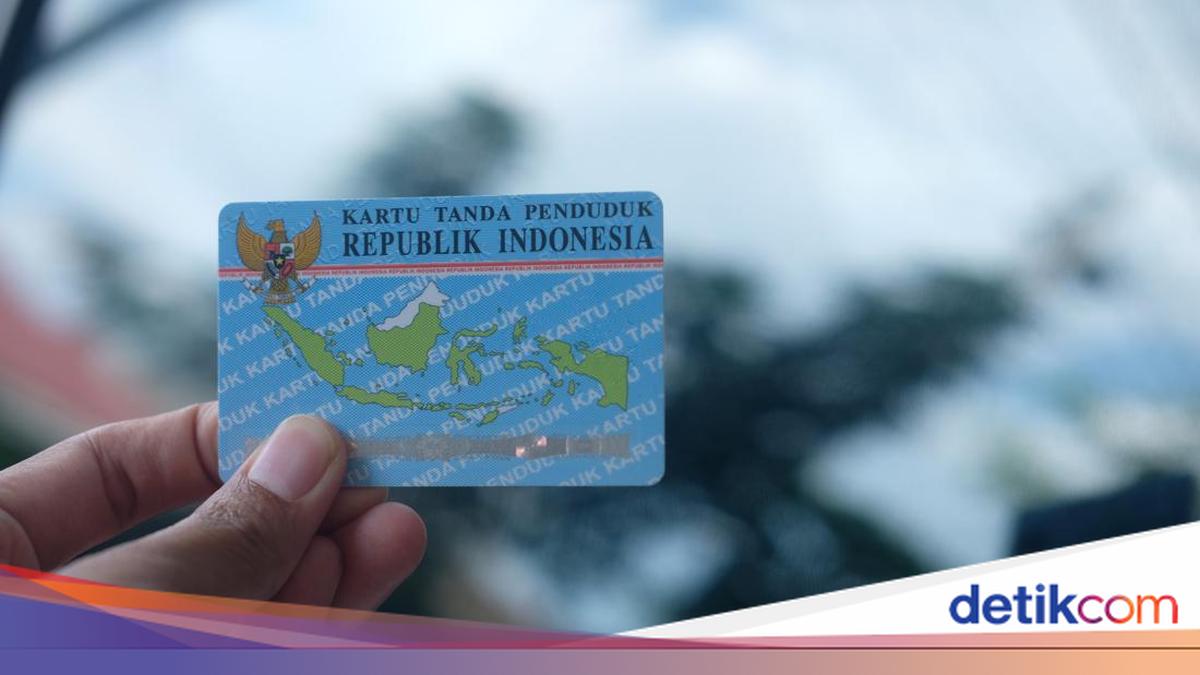
According to the official Dukcapil website of the Ministry of Home Affairs, here are several characteristics of genuine e-KTPs.
A genuine e-KTP has an embedded electronic chip in the card that can be read using supporting devices such as a card reader.
There are physical security elements like holograms, special ink, and microtext that are difficult to replicate.
If in doubt, the safest step to distinguish a genuine from a fake ID card is to verify directly with Dukcapil by checking the NIK and biometrics. The population system will immediately indicate whether the identity is valid or fabricated.
If there is suspicion of document forgery, the public is urged to report it immediately to Dukcapil or the police for verification and follow-up.
NIK Valid for Life
Every citizen has only one Population Registration Number (NIK) that is valid for life. According to the Director General of Dukcapil at the Ministry of Home Affairs, Teguh Setyabudi, Indonesia’s population system features multi-layered security to prevent identity duplication.
“One NIK is only for one person and valid for life. Our system is equipped with fingerprint and facial biometric verification, so duplicate NIKs are impossible. If there is a duplicate KTP, it is almost certainly a physical forgery, not a system error,” he stressed.
Meanwhile, the Director of Dukcapil’s Population Registration, Muhammad Farid, highlighted the importance of public education so that society understands how to verify identity authenticity.
“The public can check the authenticity of a KTP at the local Dukcapil. If in doubt about someone’s identity, simply check the NIK and biometrics in our system. We also encourage the use of Digital Population Identity (IKD) as a secure and practical solution to prevent data misuse,” he explained.
How to Memorise NIK
The Population Registration Number (NIK) is a resident identity number attached to a person registered as an Indonesian resident. The NIK consists of 16 digits with specific meanings.
However, many people still find it difficult to memorise their NIK due to its long sequence of numbers. Quoting from the Indonesiabaik Instagram page (@indonesiabaik.id), there is a special way to memorise NIK.
The key is to understand the meaning behind each number in the NIK. This way, you will find it easier to remember your NIK.
Example: 9676543112990001
(method: 2 - 2 - 2 - 2 - 2 - 2 - 4)
First 2 digits: province code
Next 2 digits: city/district code
Next 2 digits: sub-district code
Next 2 digits: date of birth
Next 2 digits: month of birth
Next 2 digits: year of birth
Last 4 digits: sequence number from the Population Administration Information System (SIAK)
*Note: For the date of birth code, female residents add 40 to the birth date. For example, born on the 15th means the code in the NIK is increased by 40 to become 55.
Source: jawawa.id (https://jawawa.id/newsitem/how-to-distinguish-genuine-and-fake-id-cards-follow-the-steps-1778461053)
Originally published by detikcom (https://news.detik.com/berita/d-8483375/cara-membedakan-ktp-asli-dan-palsu-simak-tahapannya), translated from Indonesian