
How to dispute 2026 social assistance deciles via WhatsApp, applications, and village offices
Jakarta (ANTARA) - Inaccuracies in welfare data within the National Single Socio-Economic Data (DTSEN) can affect the determination of social assistance targets. Consequently, the government is providing opportunities for the public to correct data if the recorded decile does not reflect their actual circumstances.
Citizens can submit proposals or disputes through several channels provided by the Ministry of Social Affairs (Kemensos), including the Cek Bansos application, village or sub-district governments, and complaint services via WhatsApp.
So, how can one submit a decile dispute for social assistance data updates?
What is a social assistance decile?
A decile is a group representing the welfare level of a family, calculated based on several socio-economic variables. The data used includes individual conditions such as occupation and education, housing conditions such as house type and electricity capacity, and asset ownership.
There are 10 decile groups within the DTSEN. Decile 1 represents the bottom 10 per cent of families with the lowest welfare level, while decile 10 represents the group with the highest welfare level.
These deciles are dynamic and can change following data updates and changes in the socio-economic conditions of the community. Therefore, individuals who feel their decile data is inaccurate can request an update based on their actual situation.
Disputes can be filed by citizens who find discrepancies between actual conditions and recorded welfare data. The Ministry of Social and Social Affairs also allows the public to report the conditions of others. For example, reporting residents who are no longer eligible but are still listed as recipients, or those who are eligible but have not yet been included in the data.
This mechanism is intended to reduce targeting errors in social assistance distribution, specifically addressing both inclusion and exclusion errors.
How to dispute deciles via the Cek Bansos application
One method available is through the Cek Bansos application. Citizens can check their status and decile position based on DTSEN data, then submit a proposal or dispute if discrepancies are found. Generally, the steps are as follows:
Download and open the official Kemensos Cek Bansos application.
Log in or create an account as requested.
Check recipient data and decile position.
Select the ‘Usul’ (Propose) or ‘Sanggah’ (Dispute) feature as needed.
Provide reasons and the actual socio-economic conditions.
Complete any required supporting data or documents.
Submit the application and await the verification process.
How to dispute via WhatsApp
In addition to the application, citizens can submit corrections through the Kemensos WhatsApp reporting service at 0887-7171-171. This channel serves as one of the public participation routes provided by the government to convey information regarding social assistance data.
When submitting a report, citizens should provide clear information regarding identity and the specific conditions to be corrected. The data provided must match actual conditions to assist the verification process.
The Ministry of Social Affairs also provides a Call Centre at 021-171 for complaints. Furthermore, updates can be submitted through village or sub-district governments that operate the Next Generation Social Welfare Information System (SIKS-NG).
Disputing through village or sub-district offices
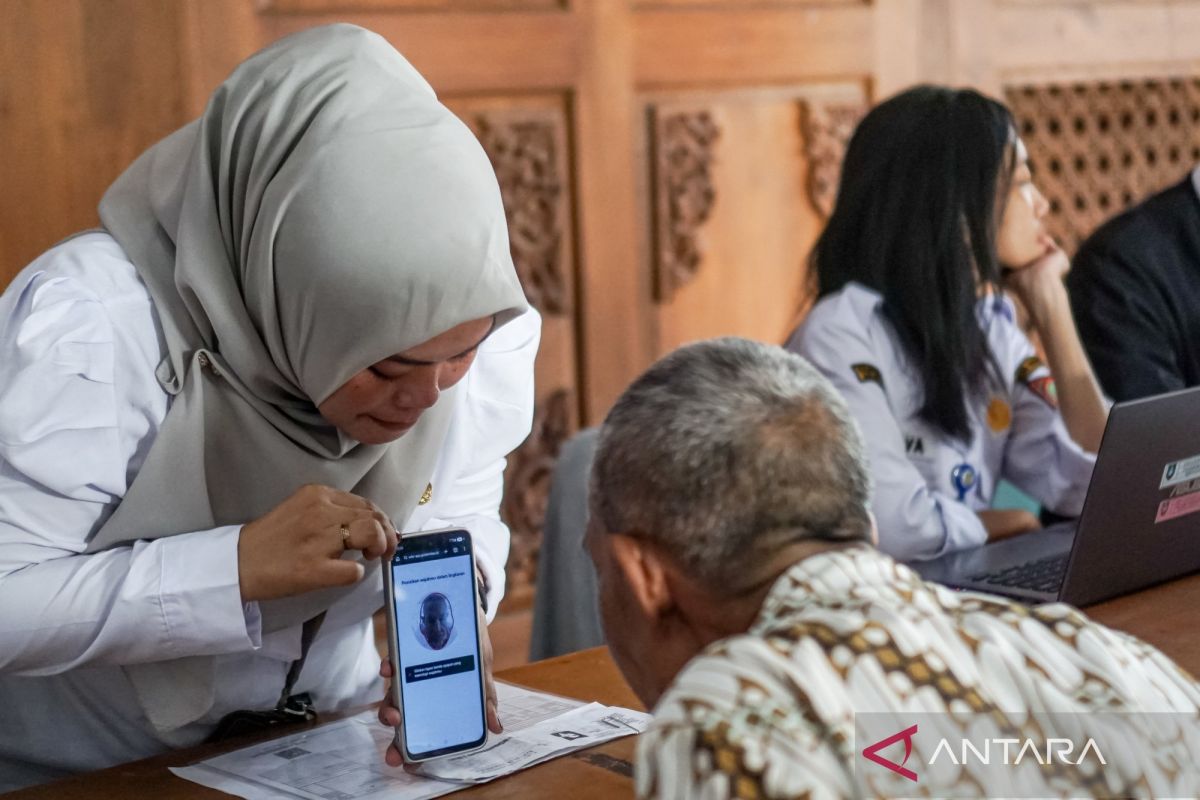
For those facing difficulties using digital services, updates can be pursued through formal channels at the village or sub-district level. Data submitted by the public will be processed through an update mechanism involving local governments. The government also conducts factual verification to ensure community conditions match the recorded data.
This method serves as an alternative for residents who lack adequate internet access or experience difficulty using applications.
A change in decile does not automatically result in someone being removed from the social assistance recipient list. Minister of Social Affairs Saifullah Yusuf emphasised that changes in welfare rankings must still undergo an update and verification process before recipients are determined for the following period.
The determination of social assistance recipients is conducted periodically. For the Program Keluarga Harapan (PKH) and basic food assistance (Sembako), data updates are performed every three months, while other programmes may have different update periods.
Therefore, citizens who find that their decimile does not match their actual condition still have the opportunity to dispute and update their data.
Check deciles before submitting a dispute
Before filing a dispute, citizens can check data through the official Kemensos Cek Bansos website. Searches can be conducted using the 16-digit National Identity Number (NIK) from the ID card (KTP). The website uses DTSEN as its data source.
In its official information, the Ministry of Social Affairs states that deciles 1 to 4, or the bottom 40 per cent of families, can be proposed as recipients of PKH and Sembako. Meanwhile, decile 5 can be proposed as participants in the Health Insurance Contribution Recipient (PBI-JK) programme.
Citizens must also understand that decile positions are the result of relative ranking and can change with data updates. Conditions such as births, deaths, changes in residence, changes in employment, or changes in economic status can affect socio-economic data.
With the availability of various complaint channels, the public can play a role in improving the quality of social assistance data. Disputes submitted via applications, WhatsApp, call centres, or village/sub-district offices must be supported by accurate information to ensure the verification process functions effectively.
Source: jawawa.id (https://jawawa.id/newsitem/how-to-dispute-2026-social-assistance-deciles-via-whatsapp-applications-and-village-offices-1789103462)
Originally published by Antara (Indonesian) (https://www.antaranews.com/berita/5736068/cara-sanggah-desil-bansos-2026-via-whatsapp-aplikasi-dan-desa), translated from Indonesian