
How to Check Your 2026 Social Assistance Decile: Enter Your NIK to See Which Group You Fall Into
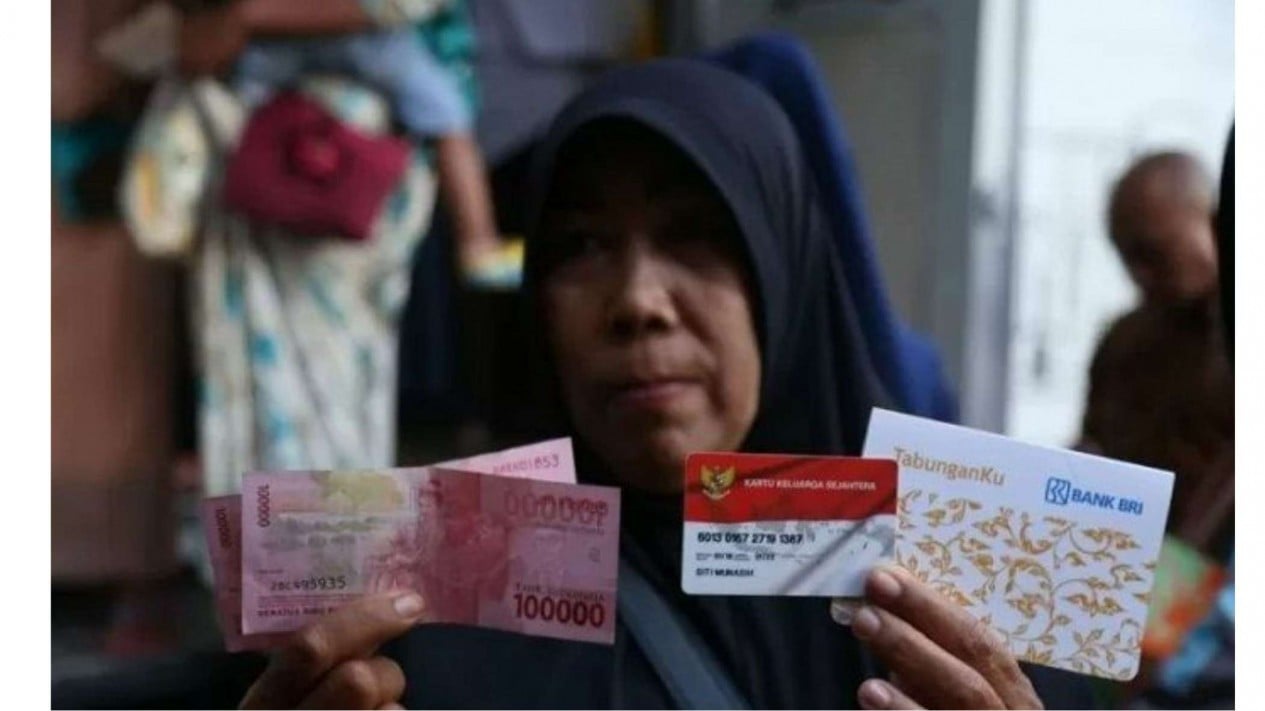
When opening social assistance data, you may not only find information regarding the status of aid recipients. There is also information in the form of a decile number that indicates a family’s position in the socioeconomic welfare mapping.
For those who do not yet know the meaning of this number, there is no need to be confused. Decile is not the name of an assistance programme, but rather a grouping of families based on social and economic conditions.
The information can be checked online using the NIK printed on the KTP. The following is further information, as compiled by Viva on Sunday, 23 August 2026.
Where is the link to check the 2026 social assistance decile?
The public can use the Ministry of Social Affairs’ Cek Bansos service to view recorded socioeconomic data. The search is carried out by entering the 16-digit NIK, so there is no need to enter much other identity information.
Ensure that you access the official service when carrying out the check. Avoid using sites or links that excessively request personal data, especially if the source is unclear.
After opening the Cek Bansos page, the following steps can be taken:
Enter the Ministry of Social Affairs’ Cek Bansos service.
Select the available data search section.
Type the 16-digit NIK as shown on the KTP.
Enter the captcha code displayed.
Recheck the NIK number and the code.
Press the Search Data button.
Check the results that appear on the screen.
If the data is found, the information stored in the system will be displayed. One piece of information that can be known is the family’s decile position in the socioeconomic data.
The function of the decile number
Decile is used to divide families into 10 groups based on welfare levels. The ranking uses a number of social and economic variables, not just the size of income.
Employment and education conditions, housing conditions, electrical power, and asset ownership are some of the things that can be taken into account.
The order starts from decile 1 as the group with the lowest welfare level up to decile 10 as the group with the highest welfare level.
This means that the smaller the decile number, the lower the welfare group position. Conversely, a larger number indicates a higher position.
Knowing the decile number is not the same as knowing with certainty that a person will receive social assistance. Decile groups 1 to 4, or the bottom 40 per cent, can be proposed as targets for PKH and basic food assistance. Meanwhile, decile group 5 can be proposed as participants in PBI-JK.