
How to Check 2026 PKH Social Assistance via NIK on the Ministry of Social Affairs Website
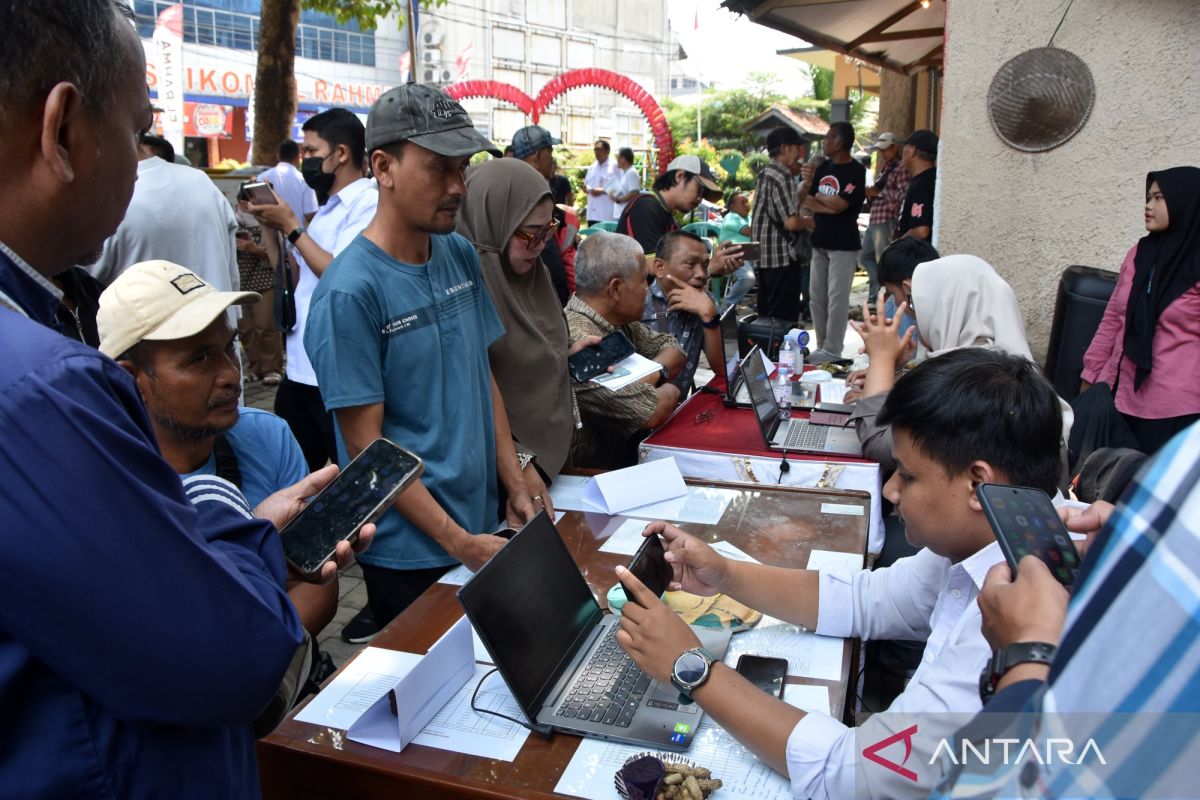
Jakarta (ANTARA) - The Program Keluarga Harapan (PKH) remains one of the primary social assistance programmes distributed by the government to eligible beneficiary families according to established criteria.
In 2026, social assistance recipient data will utilise the National Single Social and Economic Data (DTSEN). Members of the public can independently check their social assistance status via mobile phone using only the National Identity Number (NIK) found on their ID card (KTP).
This verification can be performed through the official Cek Bansos website owned by the Ministry of Social Affairs (Kemensos). This allows citizens to avoid travelling to village, sub-district, or social affairs offices simply to ascertain their membership status.
Checking the recipient status can be done through the official Cek Bansos Kemensos webpage. The system requires a 16-digit NIK that matches the data on the KTP.
The steps are as follows:
Open the official Cek Bansos Kemensos website.
Enter the 16-digit NIK as stated on the KTP.
Enter the captcha code appearing on the screen.
Click the “Cari Data” (Search Data) button.
The system will display information based on the available data.
The official Cek Bansos page notes that the data source used is the DTSEN. This data also includes information regarding the decile, or the welfare group of the family.
If the entered data is not found, the public should re-verify whether the NIK and other information have been entered correctly.
Checking via the Cek Bansos application
In addition to the website, the public can also use the Cek Bansos Kemensos application to monitor information related to social assistance. Users can open the application, enter the social assistance check menu, and input their NIK as per their KTP. Once the search is performed, the system will display the recipient information.
According to the official Cek Bansos page, the decile is one of the components visible within the family welfare data. The decile describes welfare groups based on various social and economic variables.
Kemensos explained that the decile is dynamic. If a person’s circumstances have changed and the recorded data is no longer accurate, updates can be made through village or sub-district offices, social affairs offices, or via the Cek Bansos application according to available mechanisms. This data is then recalculated periodically.
There are several reasons why an NIK might not appear as a recipient of social assistance. These conditions may relate to the results of data collection and eligibility assessments, changes in socio-economic status, data errors, or issues within the distribution process.
Therefore, the absence of recipient data does not always indicate a problem with the NIK. The public should re-verify their population data and socio-economic status through official channels.
Within the Cek Bansos system, the decile is also used as a basis for determining assistance targets. The official Kemensos website states that families in deciles 1 to 4, or the bottom 40 per cent, can be proposed as recipients of PKH and basic food assistance (Sembako).
Ensure you check through official channels
Members of the public wishing to know their social assistance status should use official Kemensos channels and refrain from providing their NIK, personal data, or sensitive information to unknown parties.
Checking via the official website can be done at any time using a mobile phone, provided there is internet access. This method allows the public to monitor their social assistance recipient status more easily without needing to visit government offices in person.
Source: jawawa.id (https://jawawa.id/newsitem/how-to-check-2026-pkh-social-assistance-via-nik-on-the-ministry-of-social-affairs-website-1789952257)
Originally published by Antara (Indonesian) (https://www.antaranews.com/berita/5750471/cara-cek-bansos-pkh-2026-lewat-nik-di-situs-kemensos), translated from Indonesian