
How to Build Self-Confidence in Children with Dyslexia
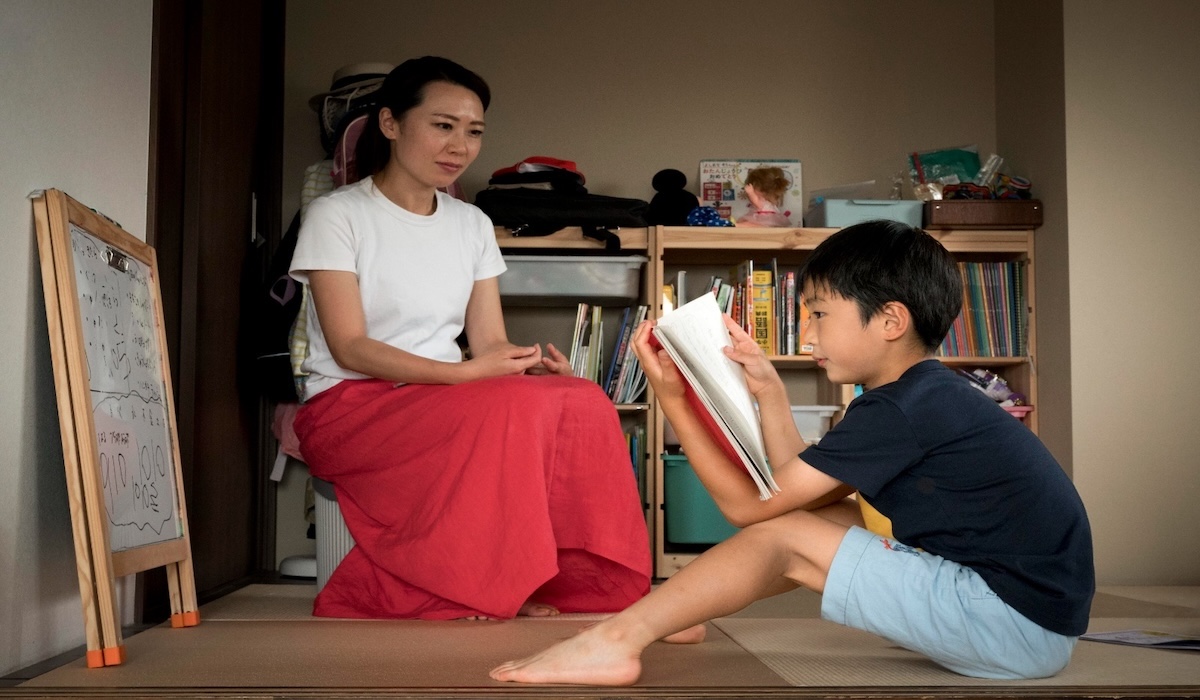
Academic difficulties in children with dyslexia are not a reflection of their intellectual ability, but rather learning challenges that require the right environmental support to maintain self-confidence. This was emphasised by Farid Agung Rahmadi, a member of the Growth, Development and Social Paediatrics Working Unit (UKK) of the Indonesian Paediatric Society (IDAI), during a media seminar entitled “Dyslexia in Children” on Tuesday (15/9).
Farid explained that the environment, both family and school, is the main determining factor in the mental development of children with dyslexia. Without appropriate intervention, children risk experiencing a decline in self-confidence due to judgements from an environment that does not understand their special needs.
“When a child receives appropriate intervention from their environment, whether from a medical perspective or from a learning perspective at school or at home, the child will achieve good results and their self-confidence will also rise,” said Farid.
Such support is crucial because children with specific learning disorders require a different approach. With adapted learning methods, children can follow the educational process without feeling left far behind their peers, which directly has a positive impact on their self-image.
In the formal sector, Farid emphasised the importance of more responsive schools through the strengthening of inclusive education. He highlighted the need to improve teachers’ competence in supporting children with learning disorders, as well as the presence of assistant teachers in mainstream classrooms so that children’s special needs are met without separating them from their social environment.
Beyond the academic aspect, the emotional response of the environment to a child’s learning difficulties was also in the spotlight. Farid warned that the environment should not attach negative labels or deliver hurtful judgements that could destroy a child’s mental wellbeing.
In closing, he affirmed that building the self-confidence of children with dyslexia is a collaborative effort. Synergy between family support, school readiness, appropriate medical intervention and a stigma-free environment is the key to ensuring children can develop optimally in line with their potential.