
How to Access the Latest Five Volumes of Indonesian History Books: Content and Links
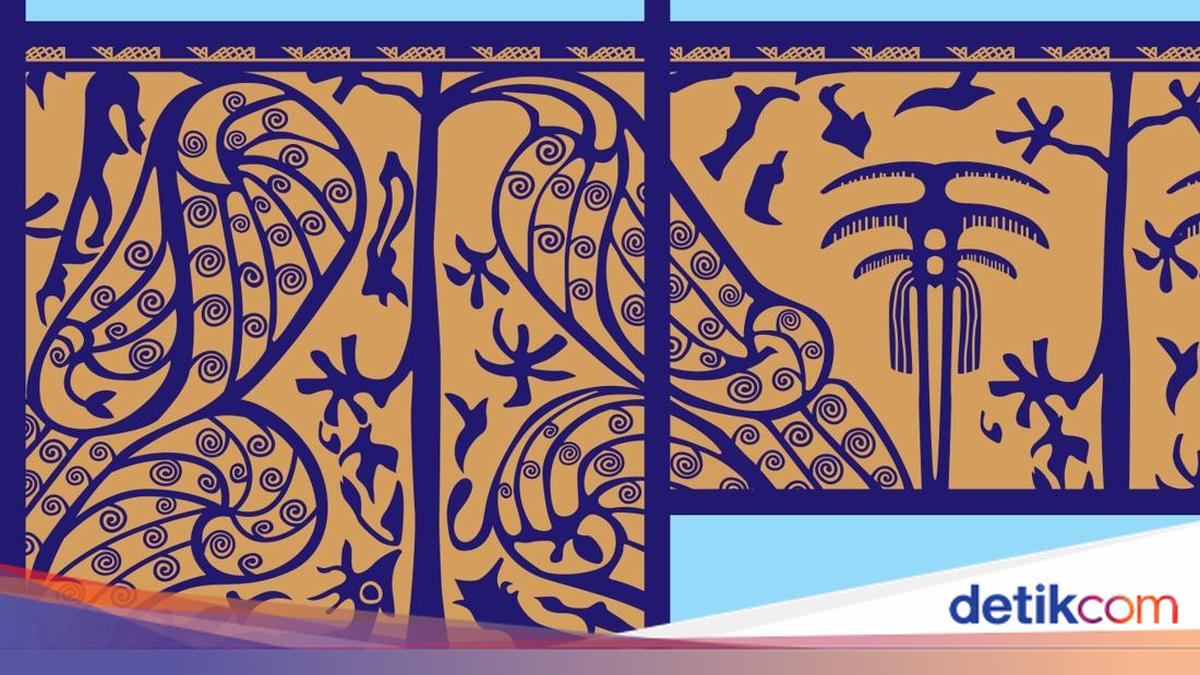
The first five volumes of the book ‘Indonesian History: National Dynamics in Global Currents’ have been officially launched by the Ministry of Culture (Kemenkebud). This publication reviews Indonesia’s historical journey, from the roots of Nusantara civilisation to the formation of the colonial state.
The Ministry of Culture stated that the publication of these books is an effort to expand public access to historical knowledge while encouraging more critical and reflective understanding. The five volumes, launched on 31 August 2026, are now accessible digitally.
Members of the public wishing to read these latest Indonesian history books can access the five volumes digitally through the Pustaka Budaya website. Below is a synopsis of what is discussed in each volume and how to access them.
Synopsis of the Five Volumes of Indonesian History Books
Quoting the explanation from the Ministry of Culture, here is the synopsis of the first five volumes of ‘Indonesian History: National Dynamics in Global Currents’:
Volume I - Roots of Nusantara Civilisation
Utilising up-to-date data from archaeology, genetics, and paleoanthropology, this volume narrates Nusantara as a dynamic ‘evolutionary laboratory’ for humans. Various ancient human species, ranging from Homo erectus to Homo floresiensis, are noted to have coexisted in this region.
Volume II - Nusantara in Global Networks: Cultural Encounters with India, China, and Persia
This volume discusses Nusantara from the beginning of the first millennium as a cosmopolitan entrepôt and an active maritime hub that served as a site for the exchange of global ideas, technology, and rituals. The discussion includes Borobudur, which blends Buddhist cosmology with the Javanese agrarian landscape, and Sriwijaya as a centre of learning and trade connected to the Indian Ocean.
Volume III - Nusantara in Global Networks: The Middle East
This volume covers the history of Islamisation in Nusantara from the 7th to the 17th century AD, asserting Nusantara’s position as a vital node in the global maritime network connected to Middle Eastern civilisation. The process of acculturation between Islamic teachings and local wisdom is also discussed through mosque architecture, tombstone art, and the literacy traditions of Jawi and Pegon scripts.
Volume IV - Early Interactions with the West: Competition and Alliance
Volume IV reveals the interactions between local powers and Western nations during the early modern period, specifically the 16th to the 18th centuries. The arrival of European powers was driven by the search for premium spices such as cloves, nutmeg, and pepper, beginning with the Portuguese and later the presence of the VOC trading company.
Volume V - Indonesian Society and the Formation of the Colonial State 1800-1900
Volume V recounts a crucial period from the 18th to the early 20th century. It tells the story of the transformation of Nusantara from a territory under the control of the collapsed VOC trading company into a new political entity known as the Colonial State.
How to Access and Download Books on Pustaka Budaya
To read the five volumes digitally, the following steps can be taken:
Visit the Pustaka Budaya website at https://pustakabudaya.id/.
Type “Sejarah Indonesia” in the search bar.
Select the desired book and open its detail page.
Click “Pinjam buku” (Borrow book). Access is valid for 30 days.
Read the content through the provided page.
Click “Unduh” (Download) to save the document to your device.
Wait for the download process to complete.
‘Indonesian History: National Dynamics in Global Currents’ consists of 10 main volumes and one miscellaneous volume. The first five volumes were launched on 3_1 August 2026 and were written by 123 experts from 34 universities and 11 non-university institutions.
The Minister of Culture, Fadli Zon, stated that the books are expected to change how the public perceives history.
“The presence of ‘Indonesian History: National Dynamics in Global Currents’ carries a great mission to change the old paradigm. History is no longer merely the memorisation of dates, names, and figures, but an instrument to sharpen critical reasoning, understand the roots of contemporary issues, and map the nation’s future direction through a very open space for dialogue,” said Fadli Zon.
Source: jawawa.id (https://jawawa.id/newsitem/how-to-access-the-latest-five-volumes-of-indonesian-history-books-content-and-links-1788242428)
Originally published by detikcom (https://news.detik.com/berita/d-8643091/cara-akses-5-jilid-buku-sejarah-indonesia-terbaru-isi-dan-linknya), translated from Indonesian