
How the World Views the US-Iran Peace Agreement
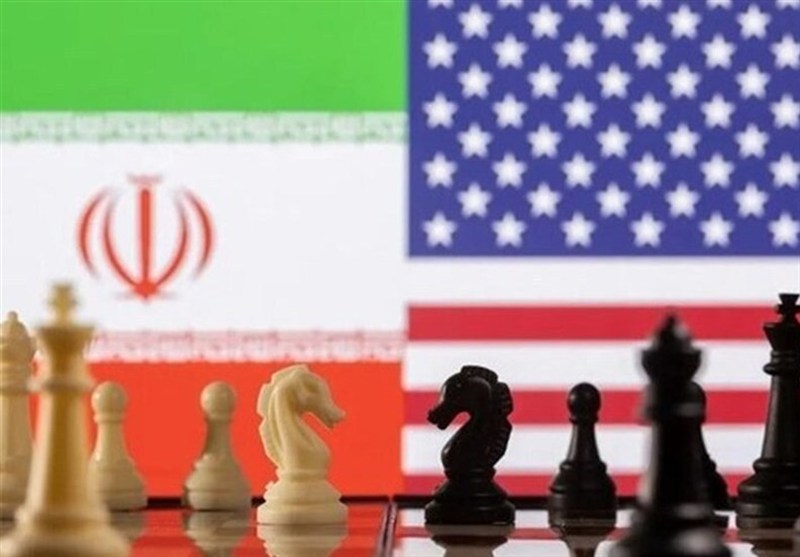
The United States and Iran have reportedly reached a peace agreement that includes a permanent halt to military operations, the lifting of the US naval blockade against Iran, and the reopening of the Strait of Hormuz, a vital artery for global energy trade. Iran’s Deputy Foreign Minister for Legal and International Affairs, Kazem Gharibabadi, stated that both nations will sign a memorandum of understanding in Switzerland on 19 June. According to Iranian media reports, the US naval blockade will be lifted overnight and the war on all fronts, including Lebanon, will be brought to an immediate end. “An immediate and permanent cessation of war and military operations on all fronts, including Lebanon, has been announced,” Gharibabadi was quoted as saying by Iranian state broadcaster IRIB TV. He added that Iran will enter a 60-day negotiation period with the US regarding its nuclear programme and the lifting of sanctions, contingent on Washington fulfilling initial commitments to be verified by Tehran. US President Donald Trump also confirmed the agreement via his Truth Social platform, stating that the peace deal between the two countries has been finalised and his administration has authorised the reopening of the Strait of Hormuz and the lifting of the naval blockade on Iranian ports. The agreement has been met with positive reactions from the international community. UN Secretary-General Antonio Guterres described it as an important step towards the peaceful resolution of conflicts, with a UN spokesperson expressing appreciation for the mediation roles played by Pakistan, Qatar, Egypt, Saudi Arabia, Turkey, and other regional nations. Leaders from the UK, France, Germany, and Italy also welcomed the deal, issuing a joint statement calling it “a pivotal moment for restoring regional stability and stabilising the global economy.” They stressed that Iran must not possess nuclear weapons but expressed readiness to lift some sanctions if Tehran takes clear and verifiable steps regarding its nuclear programme. The peace agreement had an immediate impact on global financial markets, with South Korea’s KOSPI index surging nearly 5% in early trading as investors assessed that risks to global energy supply disruptions were easing. The governments of Australia and New Zealand also welcomed the development, with Australian Prime Minister Anthony Albanese calling the reopening of the Strait of Hormuz an important step for maintaining global economic stability. Despite the broad welcome, Israeli media reported lingering differences over the implementation of the deal, citing sources who said Prime Minister Benjamin Netanyahu has informed Trump that Israel does not consider itself bound by clauses relating to Lebanon in the US-Iran agreement.