
How Subsidised Fuel and Irrigation Assistance Saved Farmers’ Rice Fields
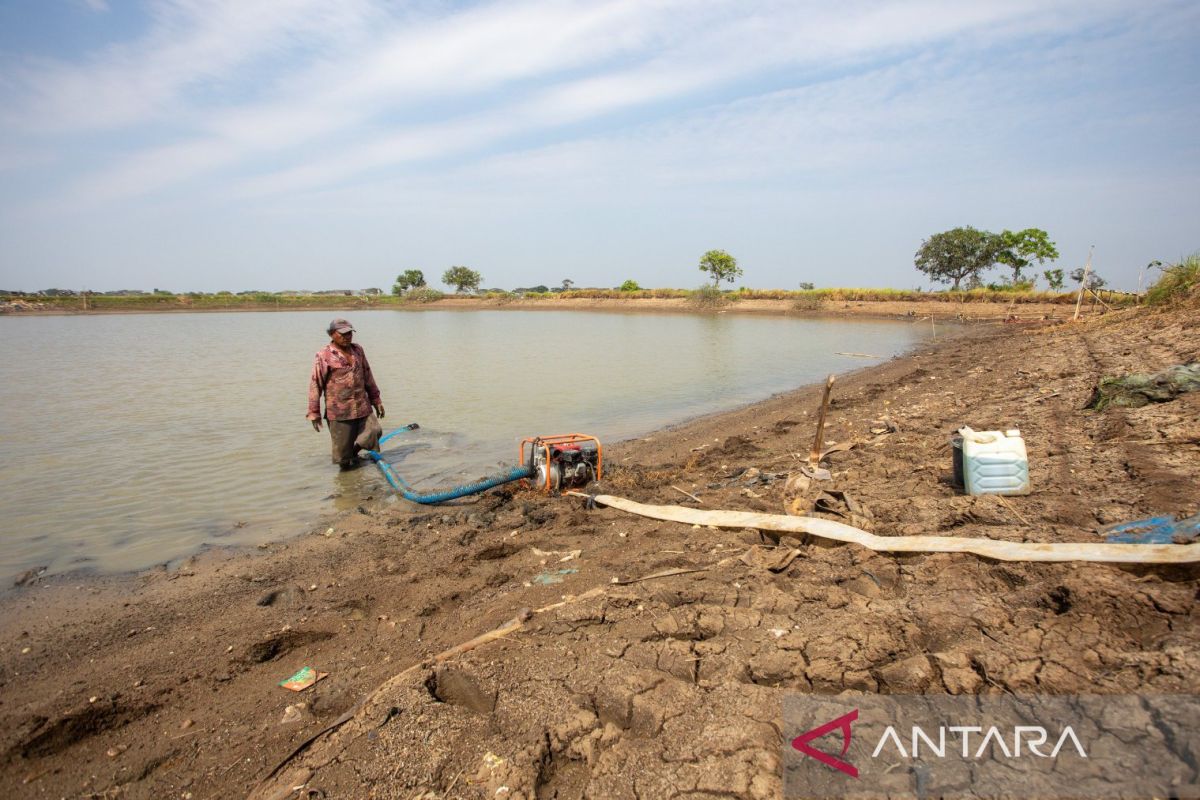
Cirebon (ANTARA) – Golden rice grains bent low over the fields in Geyongan village, Cirebon Regency, West Java, in mid-September 2026. The soil, which had cracked during the dry season, became wet again after receiving water from a pressurised irrigation system.
Mashudi, head of the Geyongan Village Farmers and Community Forum, told ANTARA on 29 October that he was relieved after farmers in the village had raced against time to save their rice crops from the threat of a failed harvest.
The 51-year-old has been familiar with farming since childhood. But decades of experience working the land did not ease his anxiety as water became harder to obtain, particularly when the drought was intensified by the El Niño phenomenon.
“Water is very important. For us, it is like gold. Just imagine, sir: our rice plants’ leaves had curled because of the drought,” he said.
Together with members of the Tani Jaya Farmers’ Group Association (Gapoktan), Mashudi manages about 90 hectares of land. Most of the rice fields depend on rainfall, leaving them vulnerable to climate anomalies.
One source of irrigation in the village is a reservoir covering about 4.5 hectares, which serves 60 hectares of land. It has a storage capacity of 70,400 cubic metres and a water level of about 1.56 metres.
However, a leak that had persisted for about three years had reduced the reservoir’s effectiveness. Water levels continued to fall, and the supply was no longer sufficient for agricultural needs.
Water supplied from the Giwangan area, about 18 kilometres away, was also unable to replenish the reservoir because the river flow was too low to reach the site.