
How Safe Are the Products We Use? What Consumers Need to Pay Attention To!
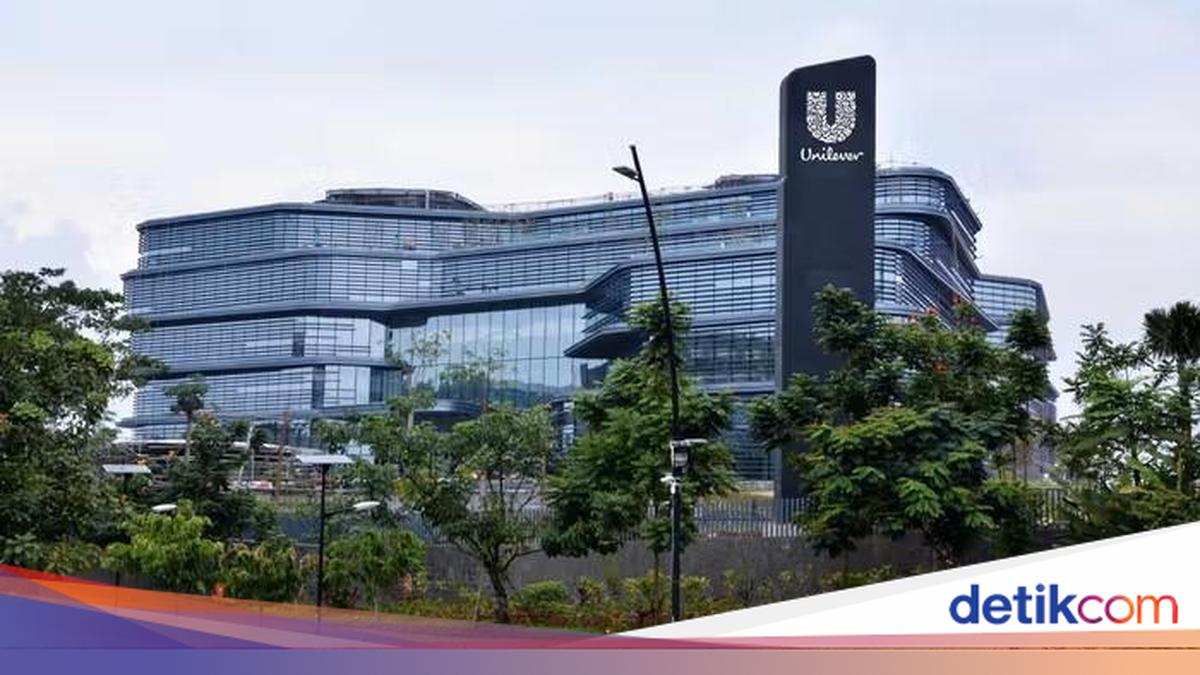
In Indonesia, Consumer Day is always commemorated on 20 April, serving as a reminder that consumers play a crucial role in the trading ecosystem, while encouraging the creation of fair and responsible transactions between producers and society. This year, National Consumer Day adopts the theme ‘Consumer Protection Towards Golden Indonesia’. This theme emphasises the importance of consumer protection as a foundation in realising a healthy, intelligent, and competitive society. Moreover, this commemoration also serves as a call for business actors to always prioritise consumer rights. Consumer rights themselves encompass various aspects, from the right to product safety, the right to accurate information, to the right to be heard and protected from harmful business practices. To this end, the government continues to strengthen consumer protection through various policies. One of its main foundations is Law No. 8 of 1999 on Consumer Protection. This regulation governs consumer rights and obligations as well as those of business actors, while serving as the legal umbrella in creating healthy and transparent trade. On the other hand, market product supervision also remains important to always be enhanced. The complexity of this situation shows that consumer protection requires collaboration between the government, business actors, and society. As business actors, both SMEs and large-scale companies have the same responsibility to ensure that the products they produce are safe and of quality for consumers. The difference usually lies in the complexity considering their different scales, where large companies’ products circulate more widely in society. One FMCG producer that consistently places product safety as a top priority is Unilever Indonesia. In Indonesia, Unilever is recorded to have more than 40 brands consumed and used by Indonesian society. According to various sources, Unilever Indonesia is committed to delivering safe and high-quality products through strict quality standards, controlled processes, and full compliance with regulations to protect consumers. These steps begin from the procurement stage of raw materials obtained sustainably from responsible sources. Similarly, in the production process through the application of strict standards as well as an integrated management system to ensure products are safe, of quality, and in accordance with the claims conveyed to consumers. This includes maintaining consumer safety and comfort through halal certification and the inclusion of the halal logo on product packaging. The implementation of the Halal Product Assurance System (SJPH) has been carried out by Unilever Indonesia since 1994. To date, after 32 years of implementation, 7 Unilever Indonesia factories located in Cikarang and Rungkut have obtained the Halal Product Assurance System (SJPH) Certificate. The momentum of National Consumer Day serves as a reminder that quality, safety, and responsible innovation are the foundation in building consumer protection. Furthermore, collaboration among the roles of the government, industry players, consumers, and other stakeholders is also key to realising a responsible trading ecosystem and sustainable consumer protection.