
How Russia Is Evading Sanctions Through a Small Chinese Bank, Exposing a US Loophole
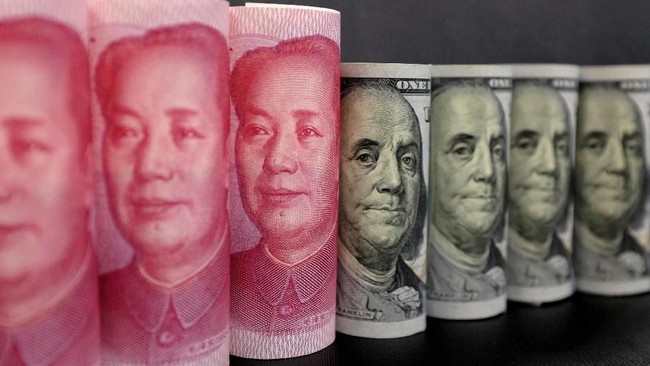
A regional Chinese lender, Zhejiang Chouzhou Commercial Bank, is suspected of serving as a gateway for Russian companies to access the US financial system and evade Western sanctions. The New York Times uncovered this in an analysis of thousands of financial and banking transaction records.
The bank, based in Yiwu, Zhejiang province, had more than 50 corporate customers that sold restricted electronics, industrial chemicals and other goods and services to Russia during the first four months of 2025. These customers were among the bank’s other legitimate clients.
The loophole involved correspondent banking, a common practice that allows local banks to offer international services in various currencies without opening overseas branches. Smaller banks often rely on lenders such as Chouzhou, which hold correspondent accounts with major Wall Street banks. This layered arrangement can obscure illegal activity.
Since the invasion of Ukraine four years ago, Russia’s efforts to identify weaknesses in the correspondent banking system have reportedly become an important part of its campaign to evade US economic restrictions.
One example described in the investigation took place in January 2025. A Russian company bought US$73,000 worth of components used to build an electronic warfare system from a distributor in Hong Kong. To settle the transaction, the United Arab Emirates’ First Abu Dhabi Bank sent the funds to Chouzhou’s account at Bank of America.
Under standard correspondent banking practice, Bank of America received only the payment instruction, with no details of the goods being purchased. As a result, neither the type of goods nor the buyer’s identity was visible as the money moved through the international banking system.
Separately, a Kyrgyz shell company working for Moscow-based financial services firm A7 reportedly made more than US$10 million in purchases of restricted goods through a bank that held an account at Chouzhou.
Bank of America ended its relationship with Chouzhou in June 2025 without giving an explanation. Soon afterwards, however, Chouzhou opened two new US-dollar accounts at Citibank and Standard Chartered, according to data from the compliance platform BankCheck. The accounts remain active.
Serves 70 banks, more than ICBC
Founded in 1987, Chouzhou carved out a niche by providing correspondent services to dozens of banks in countries considered high-risk for money laundering or sanctions evasion, including Afghanistan, Yemen and South Sudan. The bank also has a significant presence in Kyrgyzstan, Georgia and Uzbekistan, countries with close economic ties to Russia.
BankCheck data show that Chouzhou provides US-dollar account access to nearly 70 other banks, most of which have no direct access to the US financial system. By comparison, the Industrial and Commercial Bank of China (ICBC), the world’s largest bank by assets, provides dollar access to just 20 banks, while HSBC in London provides access to seven.
According to its bond prospectus, Chouzhou processed more than US$200 billion in international transactions in 2024—nearly four times its total assets. At a financial services conference in Miami last September, the bank advertised relationships with more than 1,000 banks and the capacity to process payments in 27 currencies.
Chouzhou had already stopped transacting directly with Russian and Belarusian banks in early 2024. It nevertheless continues to serve customers and banks in countries considered at risk of becoming channels for Russian sanctions evasion.
Source: jawawa.id (https://jawawa.id/newsitem/how-russia-is-evading-sanctions-through-a-small-chinese-bank-exposing-a-us-loophole-1791593426)
Originally published by CNBC Indonesia (https://www.cnbcindonesia.com/market/20261010011210-17-774888/as-kena-tipu-ini-cara-rusia-akali-sanksi-lewat-bank-mungil-china), translated from Indonesian