
How Much Does It Cost to Charge an Electric Car at Home? Here's the Calculation
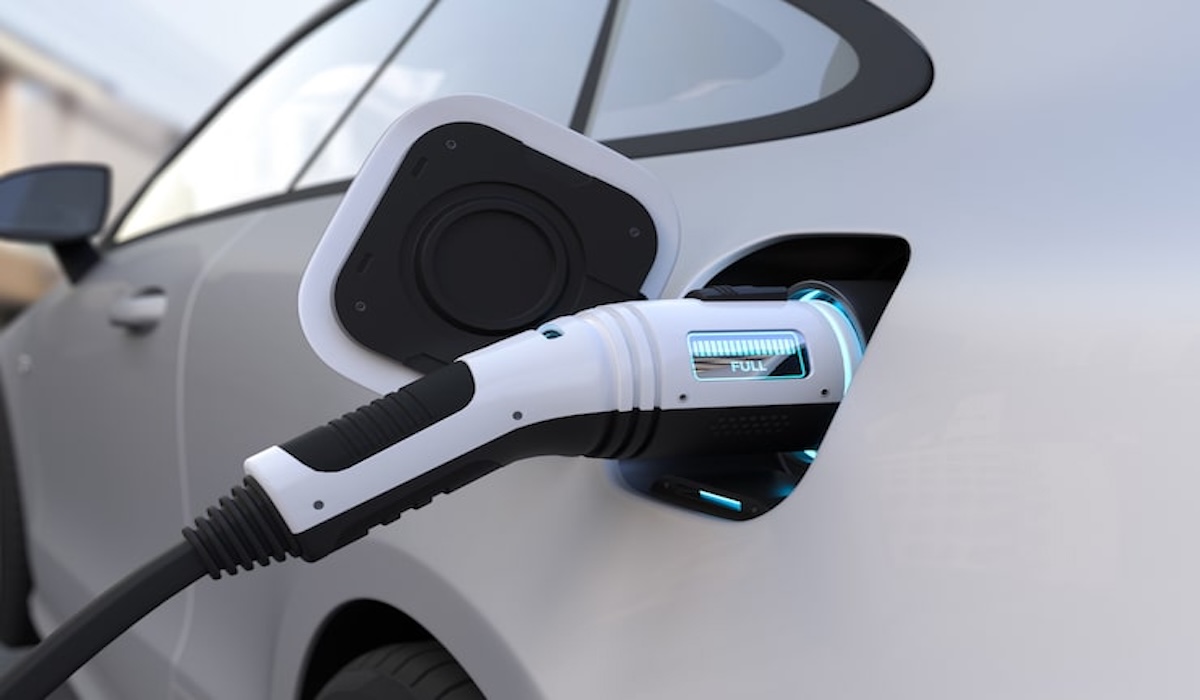
Entering the August 2026 period, the cost of charging an electric car at home has become a key attraction for consumers in Indonesia due to its high efficiency. Based on the latest data, residential charging tariffs continue to follow PLN’s competitive household electricity tariff scheme.
For customers in the R-2 (3,500 VA-5,500 VA) and R-3 (6,600 VA and above) categories, the electricity tariff for the July-September 2026 period is set at Rp1,699.53 per kWh. The government has ensured there will be no tariff increase in the third quarter of 2026, keeping electric vehicle operating costs stable.
An additional benefit comes through PLN’s HCS Ultima programme. Customers who join this programme are entitled to a 30% tariff discount for charging between 10.00 pm and 5.00 am Western Indonesia Time.
With this promotion running until 31 December 2026, the effective tariff shrinks to around Rp1,190 per kWh.
However, users need to pay attention to charging loss, or energy lost during the charging process, which is assumed to be around 15%. For example, a car with a 50 kWh battery realistically requires about 57.5 kWh from the grid for a 0-100% charge.
Taking this factor into account, the cost of a single full charge is in the range of Rp98,000 at the normal tariff, or only Rp68,000 with the overnight discount.
For routine use, the efficiency of electric cars becomes even more apparent. If a car travels 1,000 km per month with an average consumption of 15 kWh/100 km, the total energy required, including loss, is 172.5 kWh.
The monthly cost incurred is only around Rp293,000 at the normal tariff, or drops to Rp205,000 if overnight charging is utilised.
For new owners, PLN offers an HCS Ultima installation package starting from Rp11.7 million. This package includes the home charger device and standardised installation, plus a bonus electricity voucher of up to Rp1.3 million.
The final installation cost will depend on the technical specifications and power requirements of each home.
Overall, the cost of charging an electric car at home has proven to be far cheaper than refuelling with petrol. With an outlay of around Rp60,000 for a full 50 kWh battery charge at night, electric vehicles are a highly economical transport solution in 2026.