
How much do Indonesian debt collectors earn for repossessing a delinquent car loan?
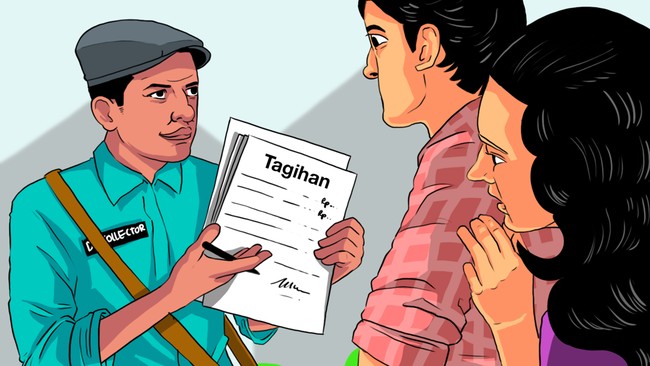
Jakarta, CNBC Indonesia - Borrowers’ responsibility when taking out funds becomes a necessity. If repayments are due and installments remain unpaid, financial services players may use debt collectors. Debt collectors can be a feared figure among customers with non-performing loans, and they will approach borrowers who fail to pay after the deadline. Debt collectors are often associated with negative connotations, especially if debt collection methods do not comply with the rules. However, did you know that debt collectors can actually earn substantial incomes? A practitioner of Asset Recovery Management at a vehicle leasing company in Indonesia, Budi Baonk, disclosed that payments to debt collectors for vehicle loan delinquencies are determined by agreement with the leasing company. Commission or fees for repossessing leased assets are agreed when a power of attorney is issued from the Leasing Company to an External Debt Collection Service Company. The payment range, according to Budi Baonk, is typically in the Rp 5 million to Rp 20 million range. “The price range (debt collector tariff) is as low as Rp 5 million up to Rp 20 million,” he told CNBC Indonesia in 2023. The amount of the debt collector’s fee, according to Budi, depends on the type of vehicle being secured. For example, if the car is a newer model, it will be more expensive than an older model. The price can also vary depending on the debt collection business entity itself, usually determined by the company’s track record. For your information, the debt collector profession is allowed under POJK 22 of 2023, the Financial Services Authority. However, Article 62 of the regulation states that financial services providers must ensure that debt collection is carried out in accordance with societal norms and the provisions of the law. Accordingly, financial services providers must ensure that debt collection is conducted without threats or actions that demean the consumer. Collections must not intimidate and must not be conducted continuously. The regulation also states that debt collection should be carried out at the debtor’s billing address or domicile on Mondays to Saturdays, excluding national holidays, from 08:00 to 20:00 local time. Debt collectors are allowed to collect outside the designated places and times, but only with the consumer’s prior consent. OJK reminds consumers to not only seek consumer protection rights but also to be responsible in making payments. If a consumer cannot pay, OJK recommends actively requesting restructuring from the financial institution. However, the final decision on restructuring is the financial company’s right. OJK also emphasises that it will not protect bad-faith consumers in their credit payments. “OJK will not protect the consumer who is careless,” said Sarjito, Deputy Commissioner for Supervisory Behaviour of Financial Services Providers and Consumer Protection. (mkh/mkh)
Source: jawawa.id (https://jawawa.id/newsitem/how-much-do-indonesian-debt-collectors-earn-for-repossessing-a-delinquent-car-loan-1779542815)
Originally published by CNBC Indonesia (https://www.cnbcindonesia.com/market/20260521100459-17-736594/segini-gaji-debt-collector-ri-setiap-tarik-mobil-nunggak-kredit), translated from Indonesian