
How Long Does the AJB Process Take at a Notary PPAT?
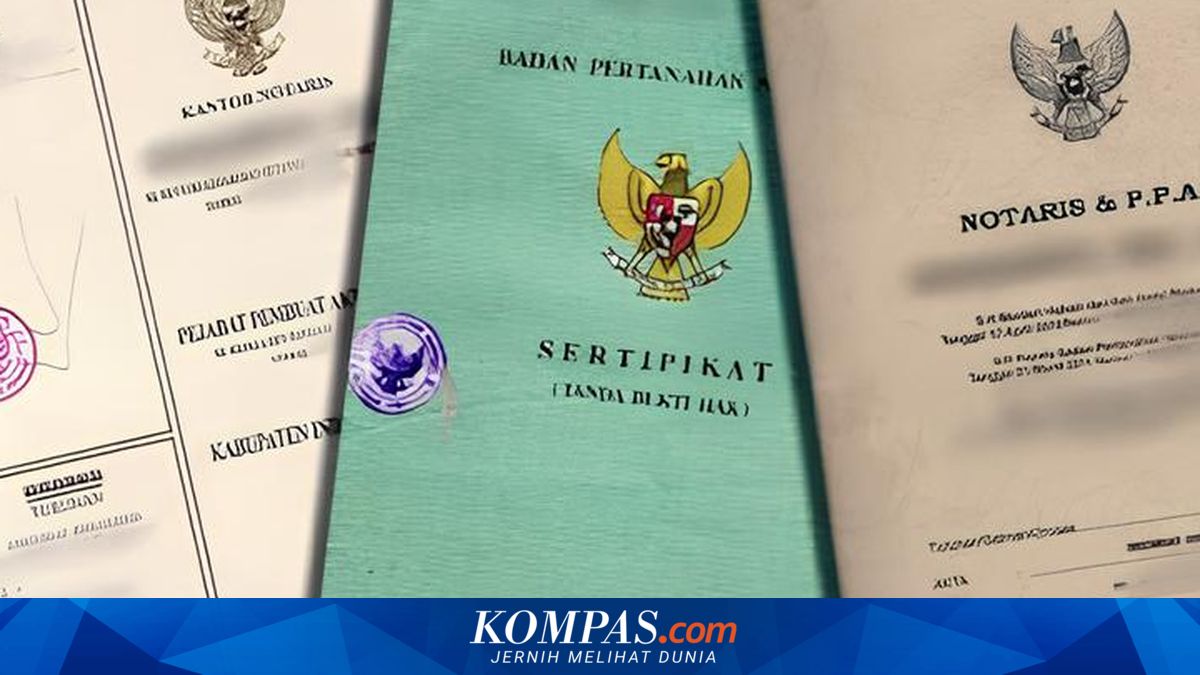
The Sale and Purchase Deed (AJB) is a vital document in property transactions, such as houses or land. This document serves as legal proof of the transfer of rights from the seller to the buyer, executed before a Land Deed Official (PPAT). However, many people wonder how long the AJB creation process takes at a Notary PPAT.
Legal practitioner Adyanisa Septya Yuslandari, S.H., M.Kn, explains that the AJB creation process usually requires approximately one to seven working days. This timeframe applies if all required documents are complete and no administrative obstacles are encountered. The speed of the process depends significantly on the completeness of the documents provided by both the seller and the buyer.
Required documents include the original land certificate, ID cards (KTP), Family Cards (KK), Taxpayer Identification Numbers (NPWP), proof of Land and Building Tax (PBB) payments, and other supporting documents depending on the type of property being transferred. If all documents are complete and valid, the signing of the AJB at the PPAT office can generally be completed more quickly.
Furthermore, one of the stages affecting the duration of the AJB process is the verification of the land certificate at the land office. During this process, the PPAT will also ensure that the certificate is not under dispute, is not blocked, and matches the data held by the National Land Agency (BPN). If the certificate verification yields no issues, the AJB process can proceed immediately.
In addition to certificate verification, the AJB process also depends on the payment of several property transaction taxes. The seller is typically required to pay Income Tax (PPh), while the buyer pays the Land and Building Title Transfer Duty (BPHTB). “It depends on the results of the certificate verification and the payment of taxes such as BPHTB and PPh,” said Adyanisa.
Once the AJB is completed and signed, the document serves as the basis for the certificate title transfer process at the land office, such as for a Freehold Title (SHM). Through this process, the name of the former owner on the certificate will be replaced with the name of the buyer as the new legally recognised owner.