
How Long Can Cooked Food Be Safely Stored in the Fridge?
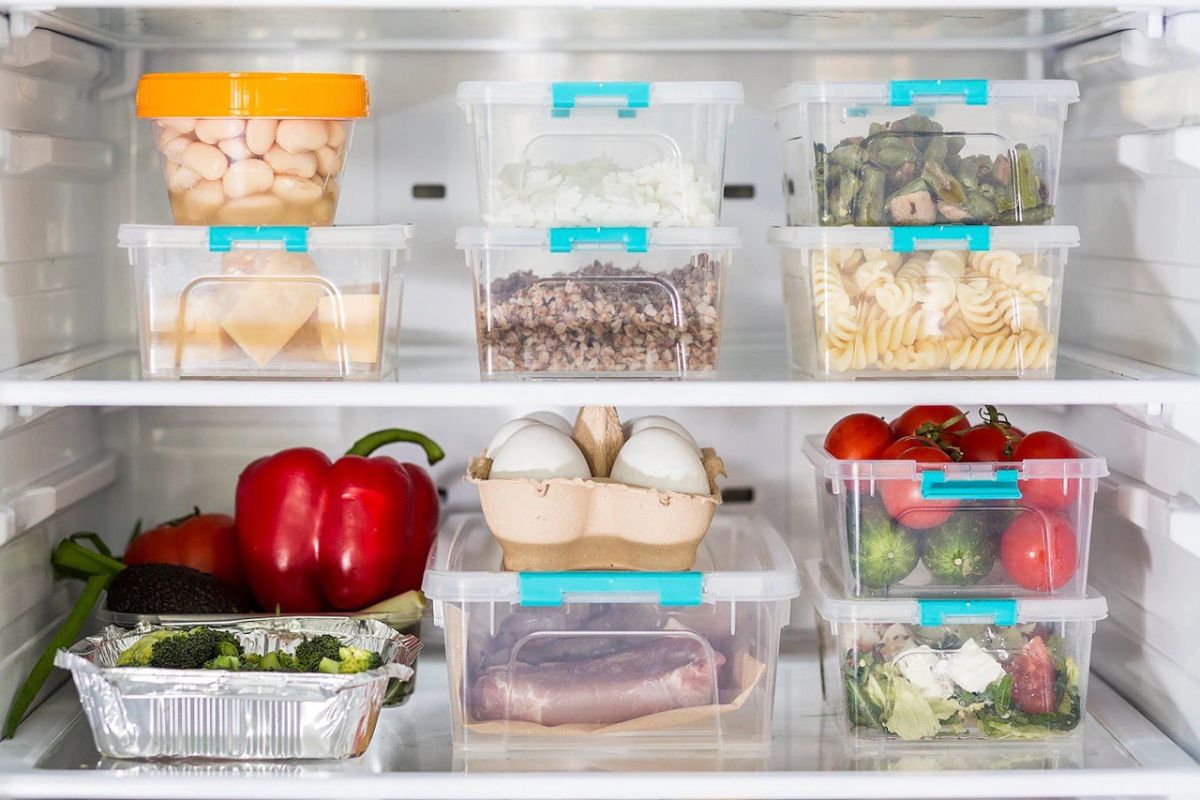
Jakarta (ANTARA) – Storing cooked food in the fridge is one way to slow bacterial growth and preserve food quality. However, putting food in the refrigerator does not automatically make it safe to eat for an extended period. Each type of food has a storage limit that should be observed.
In general, cooked leftovers can be kept in a fridge at 4°C or below for about three to four days. After that, the risk of disease-causing microorganisms growing may increase, even if the food shows no change in smell, taste or appearance.
Food safety is also affected by how quickly food is cooled, the type of container used, the fridge temperature and how long food is left at room temperature before being stored.
So, how long can cooked food be safely kept in the fridge, and how should it be stored correctly?
Storage limits vary according to the type of food and how it is handled. As a general guide, cooked leftovers such as meat, chicken, soup and home-cooked dishes should be eaten within three to four days if kept in a fridge at a maximum temperature of 4°C.
International food-storage guidance gives the following approximate storage times for different foods:
Cooked meat and chicken: about three to four days.
Soups and other dishes with broth: about three to four days.
Cooked fish: about three to four days.
Pizza: about three to four days.
Salads made with egg, chicken, tuna or macaroni: about three to four days.
Hard-boiled eggs: up to one week when refrigerated.
Other cooked dishes: generally three to four days, provided they are handled and stored correctly.
These figures are estimates for food kept under appropriate refrigeration conditions. Ingredients, container cleanliness, cooking methods and fridge temperature also affect food safety.
Why should cooked food not be stored for too long?
A fridge can slow bacterial growth, but it does not stop microorganisms from being active altogether. Some disease-causing bacteria can still grow in cold conditions, although more slowly than at room temperature.
The temperature range of 4–60°C requires particular caution. Food-poisoning bacteria can grow more quickly within this range.
That is why cooked food should not be left on the dining table for too long before being refrigerated. Delayed cooling can increase the risk of contamination and bacterial growth.
Furthermore, contaminated food does not necessarily show changes in colour, smell or taste. Food that still looks fine is not always safe to eat.
Along with observing storage limits, it is important to take care when putting food in the fridge. The following steps can help.
- Refrigerate food within two hours
Cooked food should be stored as soon as possible after a meal. Do not leave it at room temperature for too long.
It should be refrigerated no more than two hours after it has been cooked or served. However, if it is in an environment hotter than 32°C, such as a hot car, it should be chilled within one hour.
This is important because high ambient temperatures can accelerate bacterial growth.
- Use clean, covered containers
Store food in a clean container with a tight-fitting lid. This helps reduce the risk of contamination from other food, splashes or dirt inside the fridge.
Use containers intended for food storage and avoid placing cooked food in contact with raw ingredients unless they are properly separated.
- Divide food into small portions
Large quantities of food, such as soup, rendang or other dishes with broth, take longer to cool.
To speed up cooling, divide the food among several small, shallow containers. Then put them in the fridge without waiting for all the food to reach room temperature.
This helps the food cool more evenly and reduces the time it spends at temperatures that allow bacteria to grow.
- Keep the fridge at the correct temperature
Make sure the fridge compartment is at 4°C or below. This temperature helps slow bacterial growth in perishable food.
If the fridge does not have an accurate temperature display, use a thermometer designed for refrigeration appliances to check it.
Avoid leaving the fridge door open for too long or opening it too often, as this can affect the temperature inside.
- Label food with the storage date
A simple habit that is often overlooked is putting a date label on food containers.
Write down the date the food was cooked or first stored. This lets household members see how long it has been in the fridge and helps prevent food from being kept indefinitely.
If food is approaching the three-to-four-day limit, eat it promptly or freeze it before the recommended storage period has passed.
- Keep cooked and raw food separate
Raw food, especially meat, chicken and fish, may carry microorganisms that can contaminate other food.
Store raw ingredients in sealed containers and keep them separate from cooked food. If possible, place raw food on the bottom shelf so its juices cannot drip onto other items.
This helps prevent cross-contamination, which can increase the risk of foodborne illness.
If food will not be eaten within three to four days, the freezer can be used to extend its storage life.
A freezer at minus 18°C or below can keep food safe for a long time as long as it remains frozen. However, its quality, including taste, texture and aroma, may deteriorate over time.
As a guide to quality, cooked meat or poultry can be stored in the freezer for around two to six months. Soups and other dishes with broth can generally be kept for about two to three months to preserve their quality.
When ready to eat, thaw food safely, for example in the fridge, in a microwave or using an appropriate cold-water method. Do not thaw frozen food by leaving it on the kitchen counter for too long.
How should food from the fridge be reheated?
Refrigerated food should be reheated properly before eating, especially if it is leftover from a previous meal.
Food-safety guidance recommends reheating leftovers to an internal temperature of 74°C. A food thermometer can help ensure the centre of the food is hot enough.
If using a microwave, cover the food and stir or turn it halfway through heating, then check that it is hot throughout. This is important because microwaves can heat food unevenly, leaving some parts hot and others cold.
Heat soups, sauces and stocks until they are boiling before serving.
Spoiled food may sometimes show visible signs. Look out for:
A sour or unusual smell.
A change in texture, such as becoming slimy or excessively soft.
Mould on the surface.
An unusual change in colour.
A swollen or damaged storage container.
However, the absence of these signs does not guarantee that food is safe. Food-poisoning bacteria can grow without changing its appearance, smell or taste.
Therefore, do not taste food to check whether it is safe. If it has exceeded the recommended storage period or been left at room temperature for too long, it is better to throw it away than risk your health.
Cooked food can generally be kept safely in the fridge for three to four days if the temperature is maintained at 4°C or below and it is stored correctly.
To preserve food quality, refrigerate leftovers promptly, use covered containers, divide food into small portions and label it with the storage date. If it will not be eaten soon, freeze it.
These simple habits can help reduce the risk of food poisoning and prevent food waste caused by improper storage, according to the US Food and Drug Administration (FDA) and other sources.
Source: jawawa.id (https://jawawa.id/newsitem/how-long-can-cooked-food-be-safely-stored-in-the-fridge-1793839991)
Originally published by Antara (Indonesian) (https://www.antaranews.com/berita/5832863/berapa-lama-makanan-matang-aman-disimpan-di-kulkas), translated from Indonesian