
How Iran's Missiles Became More Lethal After US-Israeli Strikes
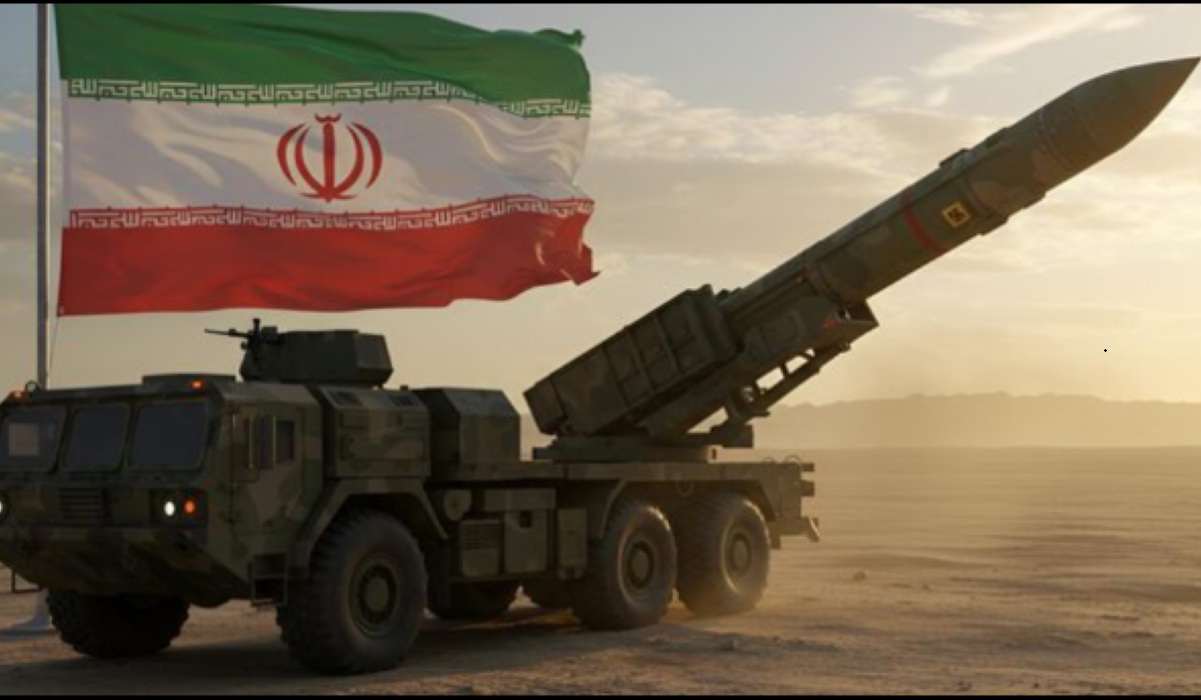
Iran’s recent missile strike on a US military base in Jordan has provided stark evidence that Tehran’s ballistic capabilities remain a serious threat. Despite the deployment of advanced air defence batteries, the missile successfully penetrated and struck the Muwaffaq Salti airbase, killing three American personnel. The incident contradicts claims by President Donald Trump that Iran’s military had been completely destroyed, and assertions by US Defence Secretary Pete Hegseth that the country’s missile programme was functionally paralysed. After five months of intensive bombing by the US and Israel, Tehran has proven it still possesses a stock of missiles capable of threatening American forces and their Gulf allies.
US officials told the Wall Street Journal that Tehran has adapted its technology to counter American defences. Iran is now using high-speed missiles capable of manoeuvring as they approach their target, making them extremely difficult to intercept. An Iranian official told The Telegraph that they have learned directly from US attacks. “America itself is the main reason behind the improvement of our missiles. We take lessons from the morning launches to improve the subsequent ones,” the official in Tehran stated. The significant increase in Iran’s operational efficiency has raised suspicions of technical and intelligence assistance from China and Russia. Beijing is suspected of providing the latest satellite imagery, while Kremlin missile experts reportedly visited Iran’s underground factories throughout 2024.
Lieutenant General Qasid Mahmoud, former deputy chief of staff of the Jordanian armed forces, explained Iran’s new tactics involve combining simple missiles to distract radar before launching high-quality missiles. These missiles are equipped with manoeuvrable reentry vehicle (MaRV) technology, allowing them to alter their flight path in the final 30 to 40 kilometres before reaching the target. Iran’s strength also relies on missile cities built deep inside rocky mountains. These underground facilities protect missiles, launch equipment, and fuel from satellite surveillance and air strikes. Furthermore, Iran has begun shifting to solid-fuel designs that allow for much faster launches compared to liquid-fuel rockets. The use of mobile transporter-erector-launchers that move between secret bunkers makes it difficult for US forces to neutralise Iran’s missile power in a single strike. Although a peace agreement was discussed last month, Iranian officials stressed that war preparations are intensifying due to their distrust of American commitments.