
How Indonesia’s Malls Have Changed — and Helped This Business Grow
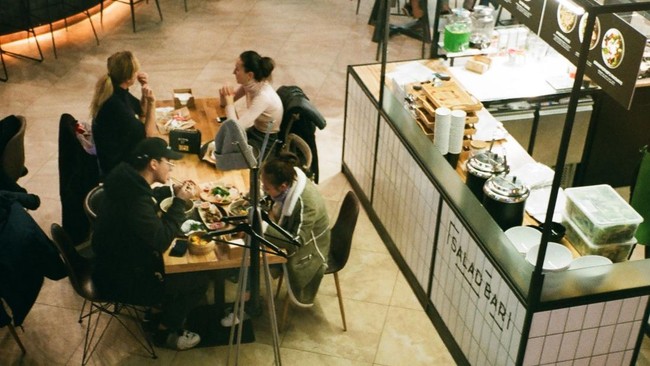
Jakarta, CNBC Indonesia — Food and beverage (F&B) tenants are taking up an increasingly large share of Indonesia’s shopping centres. Indonesian Shopping Centre Management Association (APPBI) chairman Alphonzus Widjaja said the proportion, once around 10%, can now reach 30%–40%.
The increase reflects a shift in the role of shopping centres: they are no longer simply places to shop, but also spaces where people meet and spend time with family and friends.
“The role of shopping centres as social connection hubs has also changed the mix of food and beverage (F&B) categories, whose share has risen from around 10% to about 30%–40%,” Alphonzus told CNBC Indonesia on Wednesday (11 November 2026).
He said shopping centres must offer functions beyond retail, as consumers can increasingly meet their shopping needs through e-commerce.
Alphonzus said changes in consumer behaviour became more apparent as the Covid-19 pandemic eased. Once restrictions on public activities were lifted, people’s first priority was to have opportunities to meet in person again.
“When the Covid-19 outbreak began to subside, the first thing people sought was not shopping,” he said.
During the pandemic, he added, online shopping services had already replaced much of consumers’ need to shop in person. The desire to meet and socialise face to face, however, could not be met through digital platforms.
“After PPKM [restrictions on public activities] were lifted, the first thing people sought was to interact with one another directly, not in the virtual world, because that was what had been prohibited during restrictions that lasted for around three years,” he said.
Shopping centres therefore need to provide facilities that support social activities, including cafés, coffee shops, restaurants, play areas, cinemas and sports facilities.
“Cafés, coffee shops, restaurants, play areas, cinemas, sports facilities and other amenities in shopping centres are places where people can interact with one another directly, rather than in the virtual world,” Alphonzus said.
He said this shift presents an opportunity for shopping centres to retain visitors and encourage transactions. Visitors who come to eat, meet or enjoy entertainment may also go on to buy other goods.
“As well as generating sales through those venues and facilities, shopping centres will of course seek to make use of those visitors’ presence to sell other goods and products,” he said.
According to Alphonzus, shopping centres that rely solely on shopping will face direct competition from e-commerce. Malls therefore need to strengthen their differentiation by offering experiences and social interaction that online retail cannot provide.
Source: jawawa.id (https://jawawa.id/newsitem/how-indonesias-malls-have-changed-and-helped-this-business-grow-1794387143)
Originally published by CNBC Indonesia (https://www.cnbcindonesia.com/news/20261111115824-4-784212/kronologi-awal-mal-di-ri-kini-berubah-bikin-bisnis-ini-membesar), translated from Indonesian