
How Halodoc is taking health digitalisation to new levels
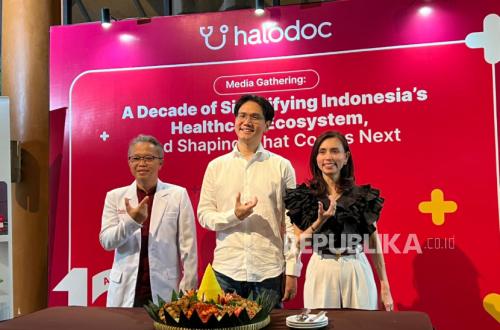
Imagine a scenario from 10 or 20 years ago when you had a fever or ran out of prescription medication; the only option was braving traffic, queuing for hours at registration counters, and waiting in packed consultation rooms. This energy-draining process now feels like a thing of the past. A major leap in healthcare digitalisation in Indonesia has completely transformed how we care for ourselves and our families. Marking a decade of its journey, Halodoc has solidified its role not just as a mobile app, but as the driving force behind a ’ revolution ’ in the digital healthcare ecosystem, connecting patients, medical professionals, and pharmacy partners into a cohesive network. Developing medical AI cannot be done instantaneously or by merely copying global trends. Medical AI must evolve alongside real-world patient data, recognise Indonesian medications, and understand local disease patterns to ensure solutions are practical and relevant. Halodoc’s Chief Operating Officer, Alfonsius Timboel, detailed the complexities of processing anonymised Indonesian data to train HILDA, the AI that powers Halodoc’s intelligent and responsive digital assistant. ‘AI, by definition, must continuously be trained, monitored, and refined,’ he said during a Halodoc talk titled ‘A Decade of Simplifying Indonesia’s Healthcare Ecosystem, and Shaping What Comes Next’ on Monday (25 May 2026). However, in today’s era of information overload, digitalisation has brought new challenges such as self-diagnosis, where people panic and self-diagnose based on random symptoms online. Here, the digital ecosystem is tested to establish safe boundaries; when training AI to serve the public, strict protocols must be in place to prevent technology overstepping clinical boundaries.