
How El Nino Rings Food Inflation Alarms Across ASEAN
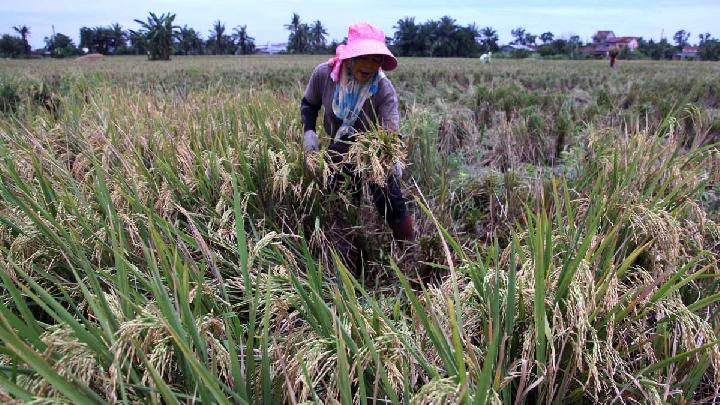
TEMPO.CO, Jakarta - ASEAN countries are bracing for inflation as El Nino forces rising prices of rice, wheat, corn, and vegetable oil, according to OCBC Group Research on Wednesday, September 9, as quoted from Antara, citing Xinhua.
Lavanya Venkateswaran, a senior economist for ASEAN and India, said in a note that she believed the Philippines, Indonesia, and Thailand are among the ASEAN countries more vulnerable to El Nino, while Malaysia and Vietnam face significant but more concentrated risks.
Rising food prices “can add to regional inflationary pressures, with imported inflation risks also rising considering most of this region are net food importers,” she said, quoted as saying by Xinhua.
She noted that, aside from Thailand and Vietnam, the region’s major economies are generally net importers of rice, making the Philippines, Malaysia, and Indonesia vulnerable to potential terms-of-trade shocks from rising rice prices.
She added that the majority of economies in the region, including the ASEAN-6, are large net importers of grains and are highly vulnerable to inflationary pressures originating abroad when global wheat and corn prices rise.
Furthermore, she stated that the transmission of food inflation will vary, depending on the weight of food in the consumer price basket, the degree of import dependence, and government intervention through measures such as subsidies and price controls.
The impact on growth is expected to be more uneven and largely concentrated in the agricultural sector. Indonesia, the Philippines, Thailand, and Vietnam, which have relatively large agricultural sectors, are at higher risk of declining production and weakening rural incomes.
However, she believed that agricultural exporting countries such as Indonesia, Malaysia, Thailand, and Vietnam can partially offset the impact through increased commodity export revenues.
“The ultimate macroeconomic impact will depend not only on weather outcomes but also on policy responses, including food trade restrictions, stock releases and subsidy measures,” she added.
Read: What Drove Indonesia’s August Inflation to 3.19%?
Click here to get the latest news updates from Tempo on Google News
Source: jawawa.id (https://jawawa.id/newsitem/how-el-nino-rings-food-inflation-alarms-across-asean-1789052009)
Originally published by Tempo (English) (https://en.tempo.co/read/2119351/how-el-nino-rings-food-inflation-alarms-across-asean)