
How El Niño Affects Tropical Cyclones and Hurricanes Worldwide
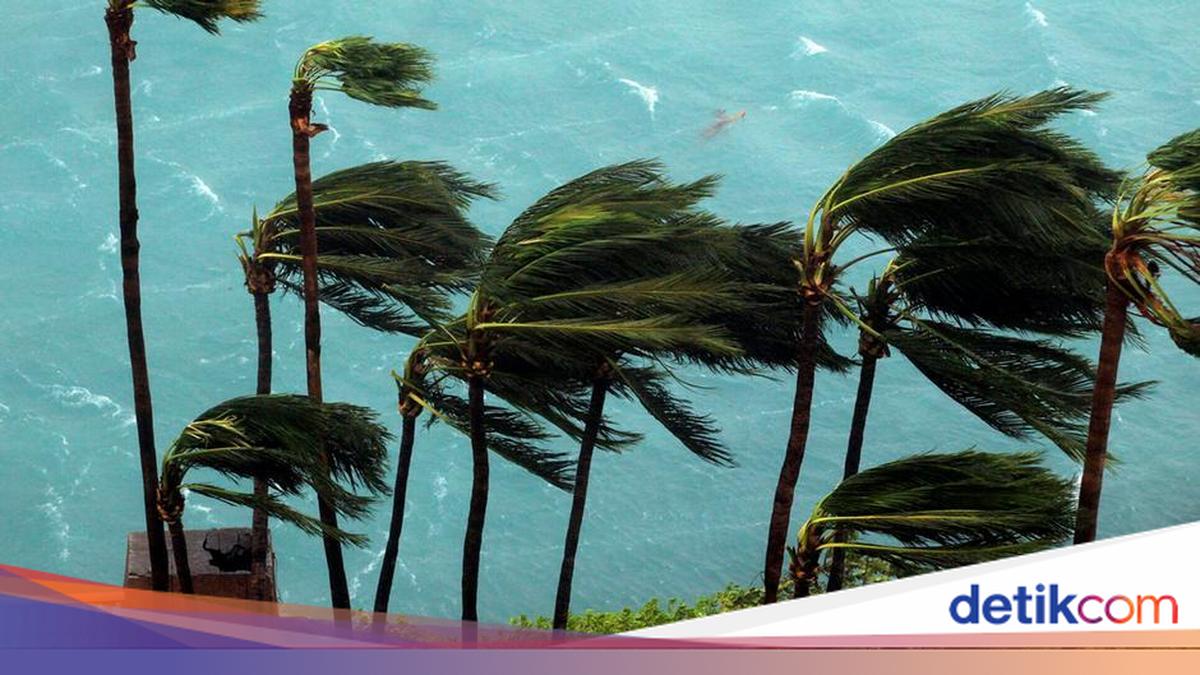
In normal years, extreme weather monitors typically record several hurricanes by the end of September. During the same period in 2005, one of the years with the highest recorded storm activity, five major hurricanes raged in the Atlantic Ocean—including Katrina, one of the most devastating storms in United States history.
However, 2026 has been calm so far. As of 23 September, only six tropical storms have formed in the North Atlantic, and none have developed into hurricanes—for the first time since satellites began tracking storms in 1966, according to the United States National Oceanic and Atmospheric Administration (NOAA).
“In the satellite era, we have never experienced a year without a single hurricane,” said Matthew Rosencrans, lead hurricane season forecaster at the NOAA Climate Prediction Center. “This will be the first.”
Much of this condition is caused by the latest phase of the El Niño–Southern Oscillation (ENSO), a cycle of changes in winds and sea surface temperatures in the Pacific Ocean that influences global weather and serves as the “dominant factor in overall hurricane season activity”. Meteorologists say this year’s El Niño could be one of the strongest ever recorded.
Hurricanes, Typhoons, Cyclones—what is the difference?
The NOAA Climate Prediction Center, which monitors Atlantic storm data in the US, stated that the energy accumulated from this year’s tropical storms—a calculation accounting for the duration and intensity of storms—is at a record low for this period of the storm season. The season typically peaks on 10 September.
None of the six tropical storms recorded so far have reached wind speeds of at least 119 kilometres per hour—the threshold sufficient to be categorised as a Category 1 hurricane, which has the potential to cause light damage to houses, trees, and other infrastructure.
The names for these equally devastating tropical storms differ by region. Storms called hurricanes in the North Atlantic and Eastern Pacific are called typhoons on the other side of the Pacific, in East Asia. In the Indian Ocean and South Pacific, meteorologists generally classify similar storms as cyclones.
How does El Niño affect Atlantic hurricanes?
Latest NOAA data shows that the El Niño phenomenon is still strengthening. Sea surface temperature rises in key Pacific regions now exceed 3 degrees Celsius. This condition is creating a “very strong” El Niño for the next six months—and a “below normal” hurricane season.
Almost all tropical cyclone activity in the Atlantic occurs between 1 June and 30 November, although hurricanes can form at other times of the year. Meteorologists warn that this year’s calm does not mean there will be no major hurricanes before the season ends.
El Niño weather patterns occur naturally on average every two to seven years, with impacts that can last up to one year. During El Niño, the trade winds that usually move from east to west across the Pacific weaken, and sometimes even reverse direction. These changes in wind and moisture shift the jet stream—the fast-moving currents of air in the upper atmosphere—and disrupt storm formation in the Atlantic.
The NOAA Climate Prediction Center stated that hurricanes emerging during an El Niño year tend to form along the eastern coast of the United States and near the Gulf of Mexico. This condition gives storms less time to develop into major hurricanes—but also leaves less time for coastal communities to prepare. This pattern is heavily determined by the steering currents when a storm forms, which usually lasts about a week.
“Storm formation in the far tropical regions is inhibited by high wind shear,” said Rosencrans. He referred to significant changes in wind speed or direction at different altitudes, which are more likely to disrupt storm formation.
“The stronger the El Niño, the stronger the wind shear effect.”
Pacific Typhoons change course, moving north
During El Niño, vertical wind shear is not as strong in the Eastern and Central Pacific. Combined with warmer Pacific waters, which supply heat and moisture to storms, these conditions tend to increase the number of tropical cyclones in the region. This part of the Pacific has experienced several major hurricanes this year, including Polo, which developed this week into one of the strongest Pacific cyclones in decades—partially driven by El Niño.
“Usually, El Niño means storms form further east, towards the International Date Line and the Marshall Islands,” Rosencrans told DW. He predicts the Pacific hurricane season will be “above average”. “This means storms have a longer lifespan before reaching large landmasses.”
Anne-Claire Fontan from the World Meteorological Organization (WMO) stated that during El Niño, storms on the Asian side of the vast Pacific Ocean tend to move “northwards, rather than continuing west towards East Asia and Southeast Asia”.
According to Rosencrans, this means Guam, the Northern Mariana Islands, Japan, and the Korean Peninsula “may face a slightly higher possibility of experiencing tropical storms and typhoons.”
Strong El Niño also disrupts storms in the Indian Ocean
A strong El Niño will weaken the monsoon winds over the Indian subcontinent, which often triggers severe droughts. This condition is also generally associated with a quieter tropical cyclone season in the Indian Ocean, said Fontan, a scientific official at the WMO Tropical Cyclone Programme.
As in the Atlantic, increased wind shear in this region can disrupt or delay storm formation. According to Fontan, this condition reduces the risk for East African countries, such as Madagascar and Mozambique.
“In terms of overall tropical cyclone activity in the southwestern Indian Ocean, there is a non-linear, or ‘bell-shaped’, relationship with ENSO,” said Fontan, highlighting El Niño and its opposite phase.
Source: jawawa.id (https://jawawa.id/newsitem/how-el-nino-affects-tropical-cyclones-and-hurricanes-worldwide-1790337439)
Originally published by detikcom (https://news.detik.com/dw/d-8679232/bagaimana-el-nino-pengaruhi-siklon-tropis-dan-hurikan-di-seluruh-dunia), translated from Indonesian